By
By 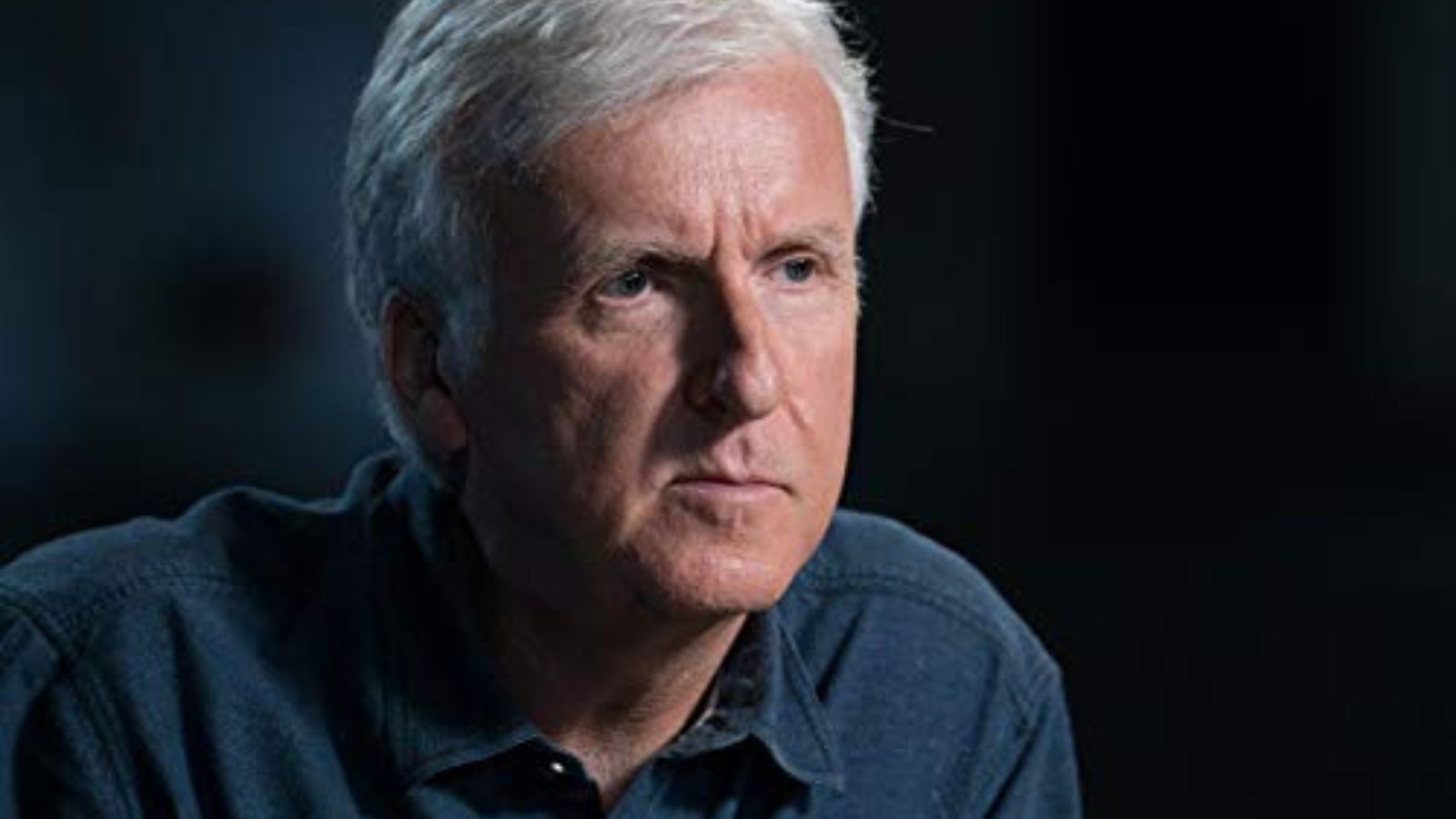
Great directors are often obsessed with getting the shot exactly right, but sometimes that obsession crosses a very thin line. Hollywood history is filled with productions where filmmakers demanded extraordinary performances, extreme realism, punishing conditions, or completely unnecessary levels of commitment from everyone involved. Some decisions produced unforgettable scenes that audiences still talk about today, while others left actors and crew wondering whether the result was really worth it. These stories reveal the lengths certain directors were willing to go to capture a particular feeling, performance, or moment, proving that behind some of cinema’s greatest scenes are production stories that are almost impossible to believe.
IMDb
Francis Ford Coppola Filmed Real Explosions Around His Cast
For Apocalypse Now (1979), Francis Ford Coppola wanted the war to feel chaotic and genuinely dangerous. The production became notoriously difficult, with enormous explosions, unpredictable conditions, and real hazards contributing to one of Hollywood’s most troubled shoots.
IMDb
Stanley Kubrick Made Shelley Duvall Repeat a Scene 127 Times
For The Shining (1980), Stanley Kubrick became notorious for demanding countless takes from his actors. The baseball bat scene involving Shelley Duvall and Jack Nicholson reportedly required 127 takes, making it one of the most famous examples of a director’s relentless pursuit of a performance.
IMDb
Werner Herzog Had a Real Steamship Dragged Over a Mountain
For Fitzcarraldo (1982), Werner Herzog refused to use a miniature or special effects for the famous sequence involving a massive steamship being moved over a hill. A real 320 ton vessel was hauled across a mountain in the Peruvian rainforest, creating an extraordinary production ordeal.
IMDb
William Friedkin Fired a Real Gun Near an Actor
While filming The Exorcist (1973), William Friedkin was known for extreme methods designed to provoke genuine reactions from his performers. He reportedly fired a gun near Jason Miller without warning during one scene, leaving the actor genuinely startled.
IMDb
Terry Gilliam Built a Prison Set That Was Freezing Cold
For Brazil (1985), Terry Gilliam constructed an enormous set with a deliberately oppressive atmosphere. The production conditions became so uncomfortable that the cast and crew reportedly struggled with the cold, adding another layer of difficulty to the already demanding shoot.
IMDb
George Miller Put Actors Through Real Road Chaos
The production of Mad Max: Fury Road (2015) took its action sequences to an extreme level. George Miller relied heavily on practical stunts and real vehicles moving at high speed through the Namibian desert, creating spectacular footage while putting enormous demands on the stunt team and cast.
IMDb
David Fincher Made Jake Gyllenhaal Repeat a Scene 70 Times
Fincher is famous for shooting enormous numbers of takes, and Zodiac (2007) became another example of his perfectionism. Gyllenhaal has spoken about the director repeatedly filming scenes until every detail matched the precise performance Fincher wanted.
IMDb
Alejandro González Iñárritu Filmed in Brutal Conditions for The Revenant
For The Revenant (2015), Iñárritu insisted on natural light and difficult outdoor locations to create the harsh atmosphere of the story. The cast and crew dealt with freezing temperatures, remote locations, and demanding physical conditions throughout production.
IMDb
Michael Cimino Destroyed an Entire Street for Heaven’s Gate
Michael Cimino’s reputation for excess reached legendary proportions during Heaven’s Gate (1980). He reportedly ordered an enormous set built in Montana and demanded extensive retakes, contributing to a production that became infamous for its escalating costs and enormous scale.
IMDb
David O. Russell Pushed Actors Through Extremely Intense Takes
Russell became known for demanding emotionally intense performances and long, difficult shooting sessions. His methods on productions such as I Heart Huckabees (2004) became part of the film’s behind the scenes mythology, particularly because of the pressure placed on performers.
IMDb
Darren Aronofsky Pushed Natalie Portman Through a Brutal Preparation
For Black Swan (2010), Aronofsky demanded an extraordinary level of physical and emotional commitment from Natalie Portman. She underwent extensive ballet preparation and filmed physically demanding sequences that contributed to the intense atmosphere of the movie.
IMDb
James Cameron Made the Cast Film Underwater
For The Abyss (1989), James Cameron insisted on extensive underwater filming rather than relying entirely on conventional effects. The cast underwent serious diving preparation, while the production became notorious for its physically demanding conditions.
IMDb
Ridley Scott Used Real Military Equipment for Black Hawk Down
Ridley Scott wanted the combat sequences in Black Hawk Down (2001) to have an unmistakable sense of realism. The production used actual military helicopters and extensive practical effects, creating an unusually immersive environment for the actors.
IMDb
Lars von Trier Deliberately Made His Actors Uncomfortable
Lars von Trier has repeatedly used unconventional filmmaking techniques to create uncomfortable performances. During Dogville (2003), the minimalist set removed conventional walls and scenery, forcing actors to perform within an intentionally strange environment that demanded a different kind of concentration.
IMDb
Christopher Nolan Destroyed a Real Airplane for Tenet
For Tenet (2020), Christopher Nolan wanted a spectacular aircraft crash without relying entirely on digital effects. The production purchased a real Boeing 747 and crashed it into a structure, ultimately deciding that using the actual aircraft was more efficient than building the sequence digitally.
The post 15 Times a Director Took Things a Step Too Far appeared first on Den of Geek.