By
By 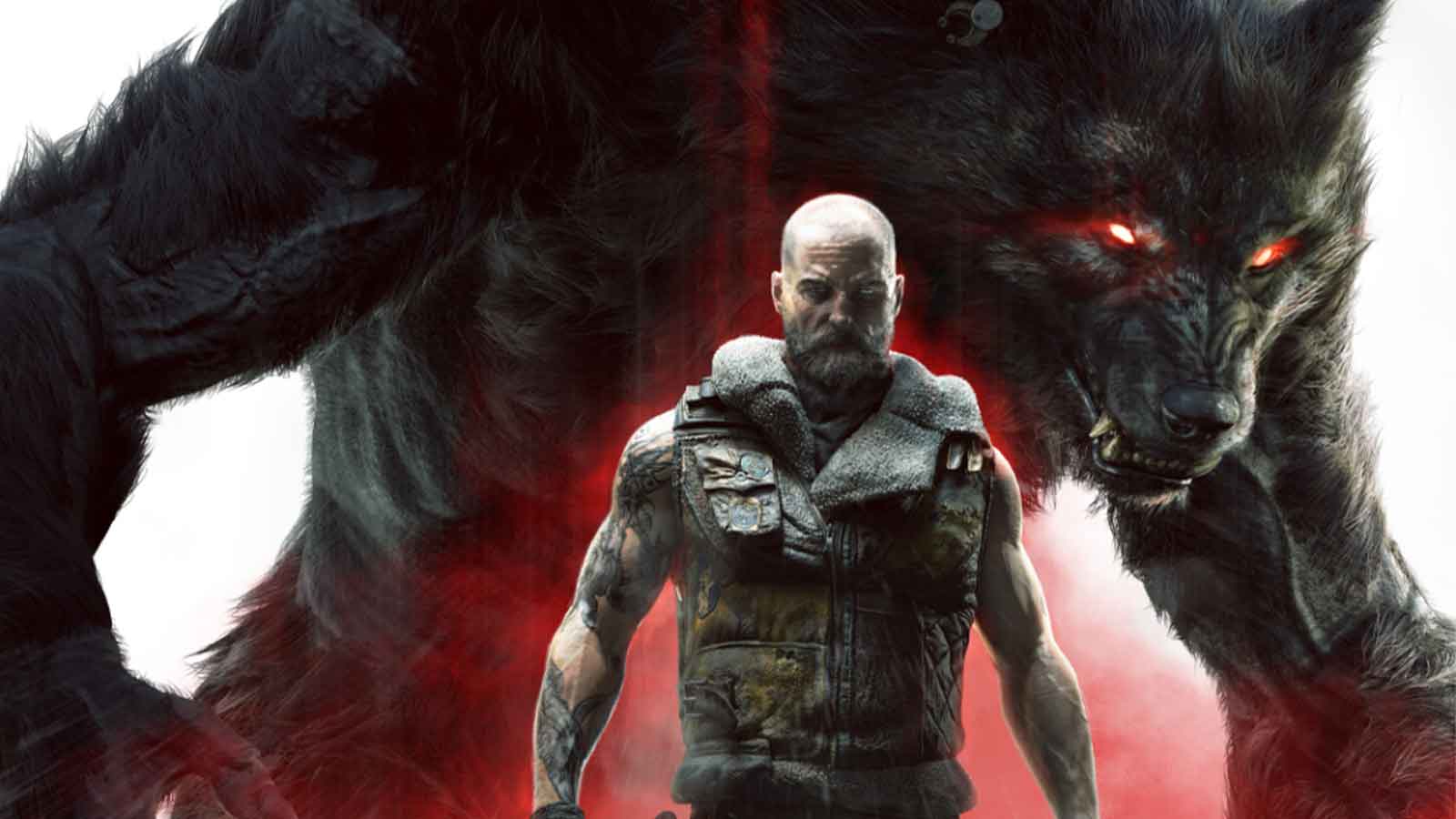
Dungeons & Dragons is the undisputed king when it comes to TTRPGs, there’s no denying that. There is also nothing wrong with it either, since it can be a lot of fun to play. The 5.5 version of the rules have made the game both approachable and tactical, with each combat encounter and dungeon crawl telling its own story.
After many years of playing the game, however, a change is needed. You could be looking for a new system for your next campaign, or just for a couple of one-shots to shake things up. No matter your reasoning, if you want something new, these are the TTRPGs that you have to try at least once.
MCDM
Draw Steel
Created by MCDM, Draw Steel focuses heavily on tactical teamwork and cinematic combat without dragging sessions down with excessive complexity. It aims to streamline many frustrations players have with modern D&D while still keeping heroic fantasy, strong class identity, and highly customizable combat roles at the center of play. Many of its features are similar to the dreaded 4th edition of D&D, but there was a lot to love from it even then.
Darrington Press
Daggerheart
Critical Role’s Daggerheart leans much harder into collaborative storytelling and emotional character moments than traditional D&D. Its duality dice system encourages narrative swings and improvisation, making it feel more focused on roleplay momentum and party relationships than strict tactical optimization or rigid combat balance. However, it isn’t really recommended for groups larger than four.
Need Games
Fabula Ultima
Inspired by classic JRPGs, Fabula Ultima emphasizes dramatic storytelling, emotional arcs, and flexible multiclassing over dungeon crawling realism. Players are encouraged to shape the world alongside the game master, giving them a clear role in the story beyond their characters. It’s so freeform that it might be off-putting for D&D purists, but it’s definitely worth a try.
The Chinese Room
Vampire: The Masquerade
Rather than focusing on treasure hunts and monster fights, Vampire: The Masquerade revolves around politics, morality, and personal horror. The system rewards social manipulation, secrecy, and internal conflict, creating campaigns where emotional tension matters far more than combat statistics or dungeon exploration. It’s also the ideal system to play as the bad guys.
Cyanide
Werewolf: The Apocalypse
Werewolf: The Apocalypse mixes supernatural horror with environmental and spiritual themes rarely explored in D&D. Its rage-driven mechanics create volatile characters constantly balancing fury and responsibility, while the setting pushes players toward tragic conflicts instead of simple heroic fantasy victories.
Paizo
Pathfinder
Often seen as D&D’s biggest direct competitor, Pathfinder offers far deeper character customization and tactical combat depth. Players who enjoy complex builds, detailed rules interactions, and meaningful combat choices often prefer it over the more streamlined direction modern D&D has taken. Most people prefer less rules when looking for a D&D alternative, but if you want more rules, this is your pick.
Melsonian Arts Council
Troika!
Troika! abandons grounded fantasy logic entirely in favor of bizarre, surreal adventures filled with strange backgrounds, weird dimensions, and unpredictable encounters. Its loose structure encourages chaotic creativity, making it feel more like a psychedelic science-fantasy fever dream than a conventional dungeon crawler. It can be ideal for players and game masters that want strange lore but can’t come up with it.
Asmodee
Legend of the Five Rings
Set in the samurai-inspired world of Rokugan, Legend of the Five Rings places huge emphasis on honor, status, and social conflict. Characters are often punished more for embarrassment or political failure than physical defeat, creating a very different roleplaying experience from D&D. In a way, it’s like if every player was the Paladin, bound to a given set of rules or oaths.
Cyanide Studio
Call of Cthulhu
Unlike D&D heroes who steadily grow stronger, investigators in Call of Cthulhu are fragile people facing unknowable cosmic horror. Survival is never guaranteed, and sanity itself becomes a resource players constantly risk losing while uncovering terrifying truths. If you’d rather fight the mythos rather than be their victim, the Cthulhu by Torchlight book for D&D is what you’re really looking for.
Paizo
Dungeon Crawl Classics
Dungeon Crawl Classics intentionally embraces old-school unpredictability and deadly chaos. Low-level characters die constantly, magic can catastrophically backfire, and adventures feel dangerous in ways modern D&D often avoids, making victories feel earned rather than expected. If this sounds like a chore, it isn’t, since the system is built around constant death and quick character creation.
The post 10 D&D-Style Games for Modern Geeks to Enjoy appeared first on Den of Geek.