By
By 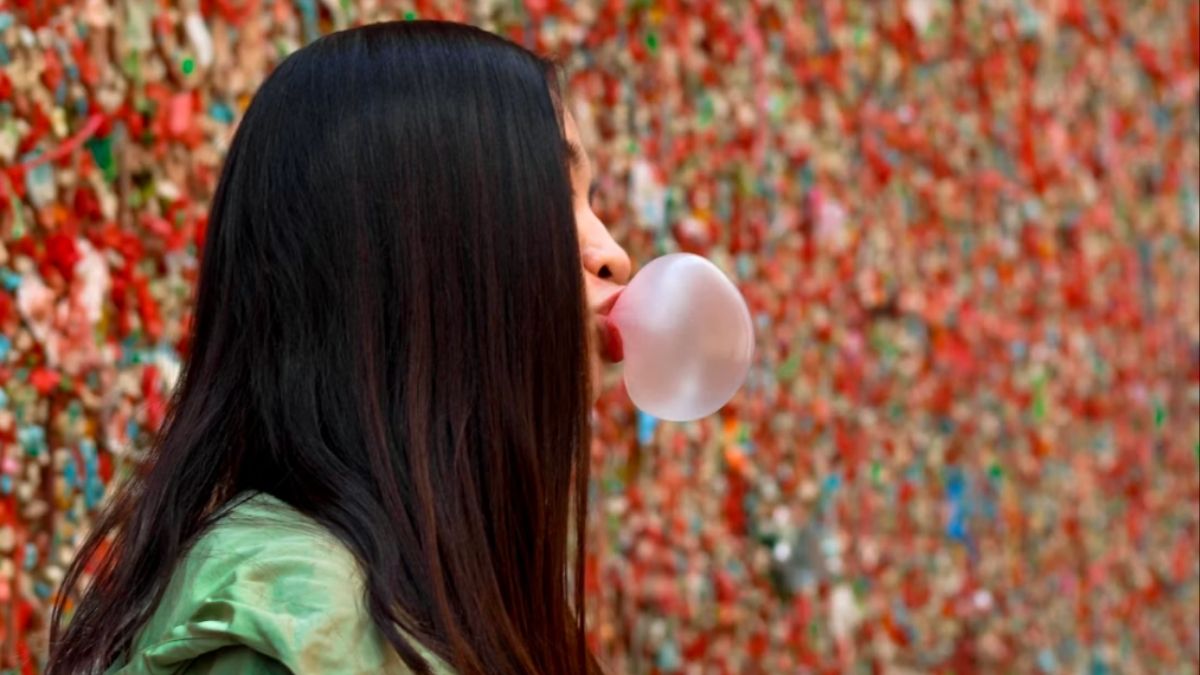
Governments ban all sorts of things, with each place having their reasons depending on their cultural and environmental reality. Public safety is often a key factor, and what one country needs to worry about differs greatly from another. Even though we understand all of this, there are things governments across the globe have banned that have us quite puzzled.
Why would anyone need permission for reincarnation? Why did one country spend decades refusing to let people dance after midnight? And why is one Australian prison system apparently at war with Vegemite? These are not urban legends or internet myths; they are real examples of governments deciding that something surprisingly ordinary needed to be restricted.
Unsplash
Singapore Banned The Sale Of Chewing Gum
Singapore’s government prohibits the sale and advertising of chewing gum, with exceptions for approved dental and medicinal products. The rule dates to 1992 and remains in force, complete with penalties for unauthorized sales.
Wikipedia
America Banned Kinder Surprise Eggs
United States law prohibits importing Kinder Surprise eggs because each chocolate contains a non-edible toy. Customs has specifically warned travelers about them, and CBP reported seizing more than 60,000 eggs in fiscal year 2011.
Wikipedia
America Still Says No To Traditional Haggis
Traditional haggis remains unavailable in the United States because federal food regulations prohibit livestock lungs for human consumption. Since authentic Scottish haggis traditionally contains sheep lungs, producers must reformulate versions sold legally in America.
Unsplash
Sardinia Banned Taking Sand Home
Sardinia prohibits removing, possessing, or selling sand, pebbles, stones, and shells from its beaches. The regional government warns that even a single grain contributes to erosion and environmental damage, with fines reaching thousands of euros.
Unsplash
Iceland Banned Beer For 74 Years
Iceland prohibited beer from 1915 until 1989, even after other alcoholic drinks became legal again. The unusual prohibition reflected temperance politics and concerns about youth drinking, leaving Iceland with the peculiar situation of allowing stronger alcohol.
Unsplash
Canada Banned Margarine
Canada made margarine illegal in 1886, largely amid conflict between the butter industry and its cheaper substitute. The prohibition was lifted temporarily during World War I, then restored until 1948, when the federal ban finally ended.
Unsplash
Japan Banned Dancing After Midnight
For decades, Japan restricted dancing in licensed establishments under a 1948 law originally connected to concerns about prostitution. The government eventually relaxed the restrictions, and lawmakers voted in 2015 to end the notorious late-night dancing ban.
Unsplash
Turkmenistan Banned Opera And Ballet
Turkmenistan’s former ruler Saparmurat Niyazov banned opera and foreign ballet in 2001, declaring them alien to Turkmen culture. He also prohibited other entertainment, including the circus and cinema, creating an extraordinarily restrictive cultural policy.
Unsplash
China Required Government Approval For Reincarnation
In 2007, China’s State Administration for Religious Affairs issued regulations requiring government approval for reincarnations of Tibetan Buddhist living Buddhas. The rules even established an official application process, effectively placing reincarnation under state supervision.
Unsplash
North Korea Banned Jeans
North Korea has banned denim, particularly targeting jeans as symbols of American influence and Western culture. State television has even blurred jeans worn by foreign presenters, while authorities have reportedly punished citizens caught violating fashion restrictions.
Unsplash
Greece Banned High Heels At Ancient Sites
Greece prohibited high heels at archaeological sites including the Acropolis beginning in 2009. Officials cited the potential for sharp heels to damage ancient surfaces, meaning visitors can admire classical architecture while being specifically discouraged from dressing like they’re attending a nightclub.
Unsplash
Victoria Banned Vegemite In Prisons
Victoria prohibits prisoners from having Vegemite, a restriction that has survived for years despite the spread being an Australian staple. Authorities have cited concerns about contraband detection and possible alcohol production, and the policy has even reached court.
Unsplash
Mumbai Banned Feeding Pigeons In Public
Mumbai authorities moved against public pigeon feeding in 2025, citing health concerns associated with droppings and feathers. The crackdown closed traditional feeding areas and led to court battles, making a seemingly harmless act surprisingly controversial.
Unsplash
California Banned Force-Fed Foie Gras
California passed a law prohibiting force-feeding birds to enlarge their livers and banning foie gras produced through that process. The measure was enacted in 2004 and took effect in 2012 after years of legal challenges.
The post 14 of The Weirdest Things Governments Have Actually Banned appeared first on Den of Geek.