By
By 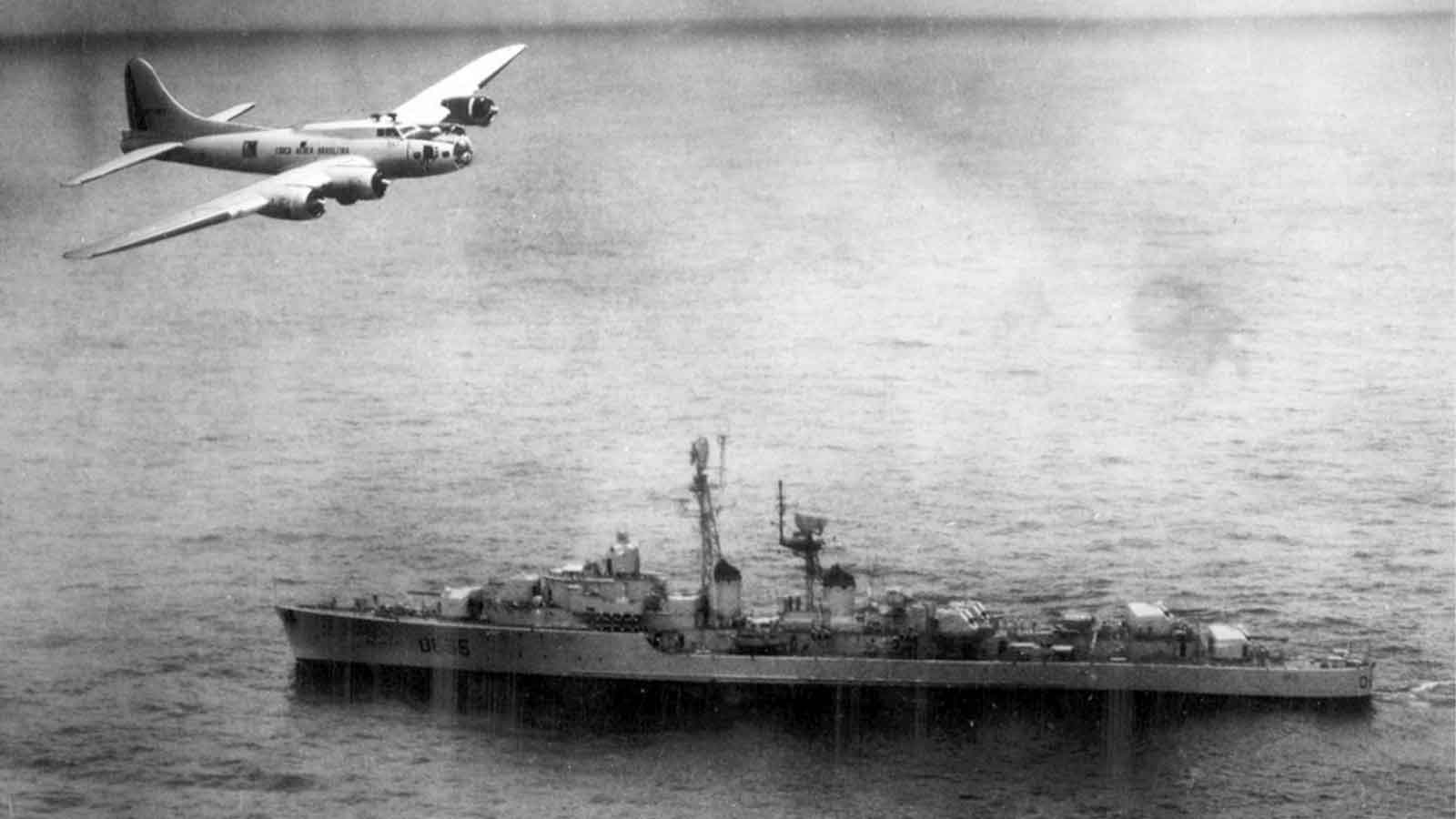
Wars are where the destiny of the world is put at stake. Borders are defined by their outcomes, and their victors will later write the history books. They are as tragic as they are an essential part of humanity and its trials. Many of them were also started for incredibly simple reasons.
Of course, these ‘simple reasons’ usually had much deeper political tensions underneath them. Still, there is something undeniably strange about the tiny sparks that helped ignite them. Here are some of history’s most ridiculous war triggers, with the important context behind each one.
Wikimedia Commons
The Pastry War
A French pastry chef named Remontel claimed Mexican soldiers had looted his bakery in 1832. France later demanded compensation alongside other claims against Mexico, eventually blockading Veracruz in what became the 1838 Pastry War.
Wikimedia Commons
The War of Jenkins’ Ear
Spanish sailors cut off British captain Robert Jenkins’ ear in 1731. Britain later used the incident as a powerful pretext for war with Spain, although historians emphasize that deeper commercial tensions between the countries made conflict likely anyway.
Wikimedia Commons
The Pig War
In 1859, American farmer Lyman Cutlar shot a British-owned pig rooting in his garden on San Juan Island. The resulting crisis brought American and British troops into confrontation, although neither side ultimately fired on the other.
Wikimedia Commons
The War of the Stray Dog
In 1925, a Greek soldier reportedly crossed into Bulgaria while chasing his dog and was shot, triggering escalating violence and a Greek invasion. The exact opening incident is disputed, but the crisis became known as the War of the Stray Dog.
Wikimedia Commons
The Lobster War
Brazil and France spent years disputing French lobster fishing rights off Brazil. The argument became bizarrely technical, with France claiming lobsters effectively “swam” while Brazil argued they belonged to the continental shelf. Warships were eventually mobilized.
Wikimedia Commons
The Honey War
Iowa and Missouri nearly came to blows in 1839 over their poorly defined boundary. Missouri sent officials to collect taxes, while Iowa mobilized its militia. The only casualties were reportedly trees and, rather fittingly, bees.
Wikimedia Commons
The Aroostook War
The so-called Aroostook War grew from a disputed United States-Canada boundary and competition over valuable timberland. Armed lumberjacks, arrests, militias, and fortifications followed, although the two countries ultimately settled the dispute without an actual battle.
Wikimedia Commons
The Toledo War
Ohio and Michigan spent the 1830s fighting politically and mobilizing militias over a narrow strip of disputed territory containing Toledo. The conflict produced arrests and armed standoffs before Michigan eventually received the Upper Peninsula as compensation.
Wikimedia Commons
The Emu War
In 1932, Australia deployed soldiers armed with machine guns to deal with emus damaging crops in Western Australia. The operation was a wildlife-control campaign rather than a conventional war, but its spectacularly strange nickname has ensured its place in history.
Wikimedia Commons
The War Of The Golden Stool
In 1900, British governor Frederick Hodgson demanded the right to sit on the sacred Golden Stool of the Asante. The demand caused outrage and helped trigger an uprising against British colonial authority.
Wikimedia Commons
The Cod Wars
Britain and Iceland repeatedly confronted each other over fishing rights during the twentieth century. Iceland’s expanding territorial claims threatened British fishing interests, producing dangerous clashes between patrol vessels despite neither country formally declaring conventional war.
Wikimedia Commons
The Whiskey War
Canada and Denmark spent decades disputing sovereignty over tiny Hans Island. Their officials repeatedly planted national flags and left bottles of Canadian whiskey or Danish schnapps, creating the famously friendly “Whiskey War” without casualties or combat.
Wikipedia
The Algerian Fly-Whisk Incident
In 1827, Algeria’s ruler allegedly struck the French consul with a fly-whisk during an argument. France used the incident as a pretext for a blockade, followed by the 1830 invasion and eventual colonization of Algeria.
Wikimedia Commons
Britain’s Don Pacifico Blockade
Britain nearly turned a compensation dispute into a major international confrontation after a mob attacked David Pacifico’s Athens home. Because Pacifico was born in Gibraltar, Britain claimed responsibility for protecting him and blockaded Greek ports in 1850.
Unsplash
The 335-Year Non-War
The Netherlands supposedly remained at war with Britain’s Isles of Scilly for 335 years after a 1651 declaration during the English Civil War. No shots were fired, and the supposed conflict finally ended with a 1986 peace declaration.
The post 15 Wars That Were Started For Ridiculously Small Reasons appeared first on Den of Geek.