By
By 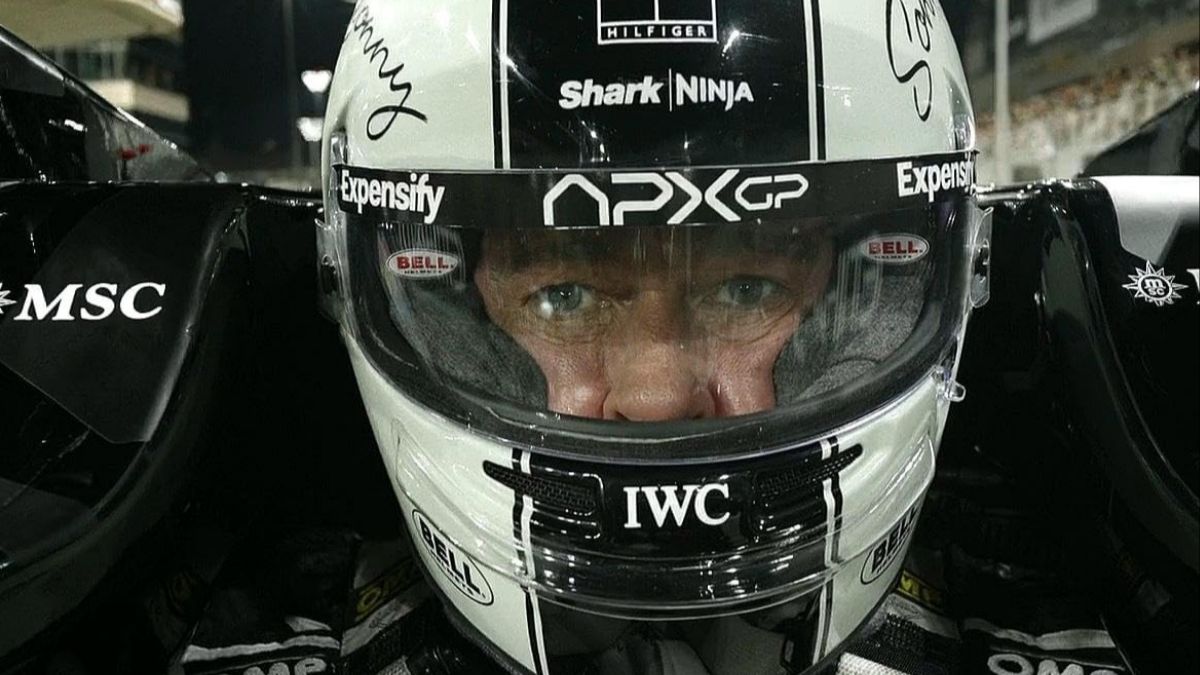
Movies can be enjoyed in almost any context, as long as you have the space to enjoy them and the time to see them. Phone, plane, or the comfort of your living room’s TV are all valid options to enjoy a film. Yet there are productions that were conceived as a product for theaters, and seeing them in anything but is doing them a disservice.
Exactly why that is the case varies from one movie to the next, since there isn’t one unifying reason. One will have an enormous IMAX frame, while another a crowd collectively losing its mind; point is, certain films benefit enormously from being seen in a theater. These films make a particularly strong argument for leaving the house and buying the overpriced popcorn.
IMDb
F1 The Movie
F1 The Movie was engineered around the sensation of speed, with real racing footage and enormous theatrical presentation doing much of the heavy lifting. Its IMAX release makes the cockpit sequences feel considerably closer to actually sitting trackside.
IMDb
Top Gun: Maverick
Top Gun: Maverick practically begs for a giant screen and powerful speakers. The aerial photography, cockpit sequences, roaring engines, and carefully choreographed dogfights lose some visceral impact when compressed onto a television, especially without a theater-sized sound system.
IMDb
Spider-Man: No Way Home
Spider-Man: No Way Home benefits from something a home viewing cannot recreate: thousands of people reacting simultaneously. The surprises, returning characters, and major crowd-pleasing moments became genuine communal events, with theatrical audiences turning individual scenes into shared celebrations.
IMDb
John Wick: Chapter 4
John Wick: Chapter 4 is essentially four hours of increasingly elaborate action choreography, gunfire, explosions, and elaborate stunt work. A huge screen and theater sound make its visual geography and relentless kinetic energy substantially easier to appreciate.
IMDb
The Odyssey
Christopher Nolan shot The Odyssey entirely with IMAX film cameras, making its enormous imagery unusually dependent on presentation. IMAX describes the format as the intended way to experience it, while its limited 70mm screenings have become major theatrical events.
IMDb
2001: A Space Odyssey
Stanley Kubrick’s 2001: A Space Odyssey was built around monumental imagery, from spacecraft interiors to the Stargate sequence. Its deliberately slow pacing and enormous compositions benefit from a theater’s ability to make those images feel genuinely imposing rather than merely impressive.
IMDb
Spider-Man: Across the Spider-Verse
Across the Spider-Verse throws constantly shifting animation styles, colors, compositions, and dimensions at the audience. IMAX specifically promoted its expanded presentation and immersive sound, making the theatrical screen particularly useful for appreciating how much visual information fills every frame.
IMDb
Dune: Part Two
Dune: Part Two was made for enormous screens and huge sound systems. IMAX presented expanded imagery, while the film’s carefully designed sound mix gives sandworms, battles, spacecraft, and Hans Zimmer’s score a physical scale that smaller speakers simply cannot reproduce.
IMDb
Avatar
James Cameron’s Avatar films are, in essence, demonstrations of theatrical technology, combining enormous environments, stereoscopic 3D, immersive sound, and meticulously constructed digital worlds. Their theatrical presentations make Pandora feel physically expansive in a way ordinary home screens struggle to replicate.
IMDb
Tenet
Tenet’s deliberately overwhelming sound design and enormous action sequences can be divisive at home, but a properly equipped theater turns that excess into part of the experience. The film was shot partly with IMAX cameras and received dedicated 70mm presentations.
IMDb
Obsession
Obsession is an unusually theatrical horror experience because its tension depends heavily on atmosphere, sound, and audience discomfort. Seeing a packed theater react collectively can amplify the film’s unsettling moments in ways that watching alone at home simply cannot.
IMDb
The Lord of the Rings Trilogy
Peter Jackson’s Lord of the Rings trilogy was designed as monumental fantasy filmmaking, with enormous landscapes, battles, creatures, and orchestral soundscapes. The movies remain excellent at home, but theatrical screenings restore the overwhelming scale that helped define their original releases.
IMDb
Avengers: Endgame
Avengers: Endgame was practically engineered around audience reaction. Years of interconnected stories culminated in surprises, reunions, and enormous action sequences that audiences experienced together. Watching it at home can preserve the movie, but not recreate that opening-weekend phenomenon.
IMDb
Mad Max: Fury Road
Mad Max: Fury Road is an unusually physical action movie, built around practical stunts, enormous vehicles, relentless movement, and comparatively sparse dialogue. A giant screen lets viewers appreciate the geography and craftsmanship of its spectacular desert chases.
IMDb
Midsommar
Midsommar is deliberately oppressive, using enormous bright landscapes and unsettling compositions instead of conventional darkness. A theater’s huge screen makes its imagery harder to escape, while sitting among strangers can make its increasingly uncomfortable atmosphere even more effective.
IMDb
Interstellar
Interstellar’s spacecraft, black hole, planetary landscapes, and enormous soundscape were designed to overwhelm. The film was shot partly using IMAX cameras, and its theatrical presentation gives sequences such as the docking and Gargantua considerably more physical presence.
IMDb
Gravity
Gravity depends heavily on immersion. Alfonso Cuarón’s long takes, weightless movement, enormous environments, and carefully designed sound create the sensation of being trapped in orbit. A theater’s screen and surround sound make that claustrophobic scale much easier to feel.
IMDb
Oppenheimer
Oppenheimer became one of the strongest modern arguments for seeing a film in its intended format. Nolan used IMAX cameras extensively, with select 70mm IMAX theaters expanding those images vertically to a massive 1.43:1 frame.
The post 18 Movies That Only Really Work in Theaters appeared first on Den of Geek.