By
By 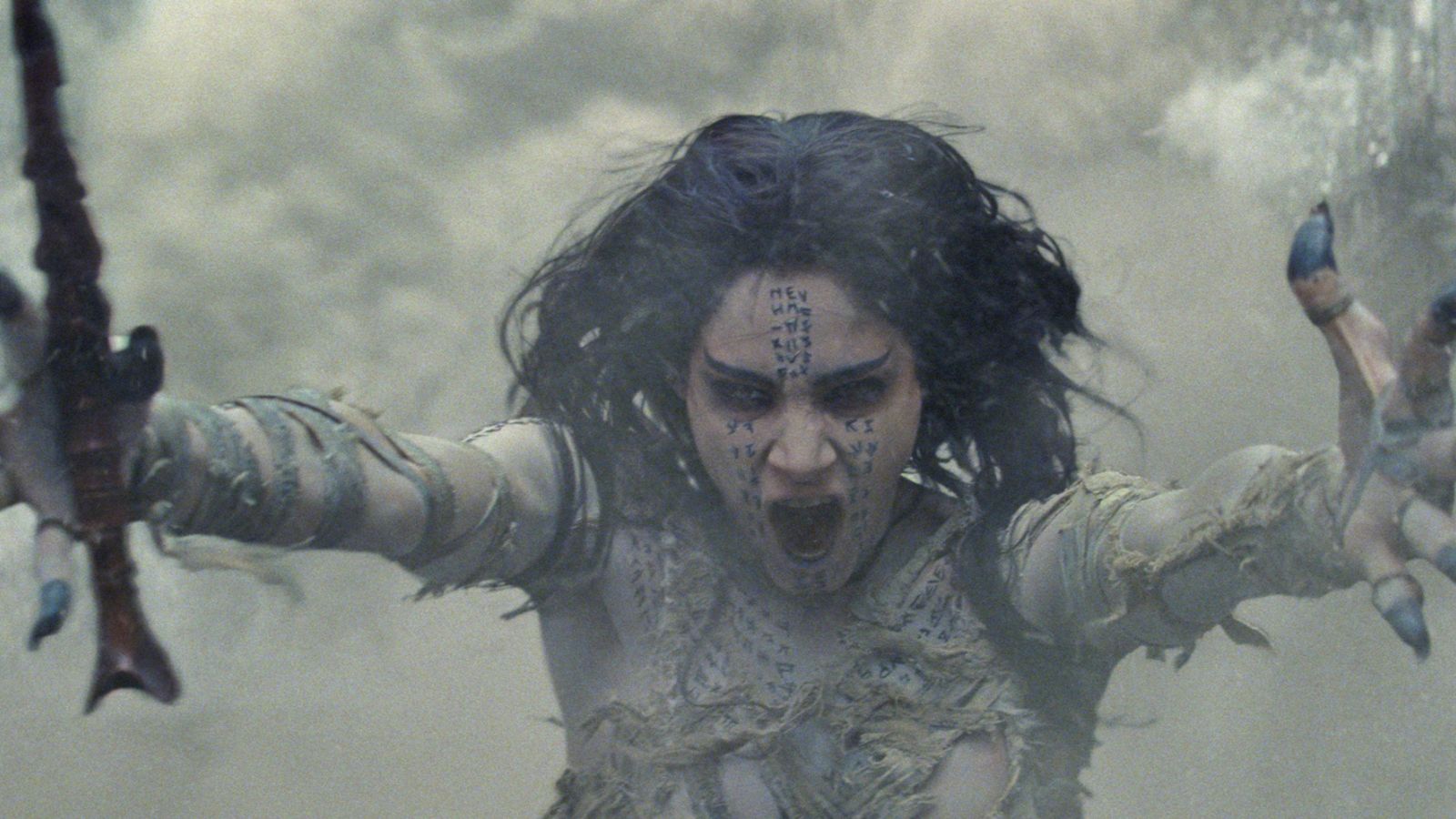
Computer generated effects changed filmmaking forever, opening doors that practical production could never fully unlock. But that freedom also created a new dependency. Some films leaned so heavily on digital work that the texture of real environments started to fade, leaving scenes that felt like they had nothing behind them. Instead of enhancing storytelling, the visuals sometimes became the main focus, pulling attention away from everything else happening on screen.
IMDb
Green Lantern (2011)
The heavy reliance on digital suits and environments created a world that struggled to feel grounded.
IMDb
Justice League (2017)
Extensive reshoots and digital character work left several sequences feeling noticeably artificial.
IMDb
Star Wars: Episode III Revenge of the Sith (2005)
Entire environments and battle sequences were constructed digitally on a massive scale.
IMDb
Suicide Squad (2016)
Visual effects driven action scenes often leaned on digital environments instead of physical staging.
IMDb
The Hobbit: The Battle of the Five Armies (2014)
Massive digital armies and heavy visual layering often overwhelmed the physical scale of the story.
IMDb
The Lion King (2019)
Photoreal animation pushed technical limits, but character expression often felt restrained.
IMDb
The Mummy (2017)
Action set pieces relied heavily on CGI creatures and effects that dominated the screen presence.
IMDb
Transformers: Age of Extinction (2014)
Nearly constant digital action created a dense visual style where practical grounding became minimal.
IMDb
Avengers: Infinity War (2018)
Large scale CGI battles dominated the screen, with entire sequences built almost entirely in digital space.
IMDb
Black Panther (2018)
Key final act sequences relied heavily on full CGI environments that shifted the visual tone.
The post 10 Movies That Relied Way Too Much on CGI appeared first on Den of Geek.