By
By 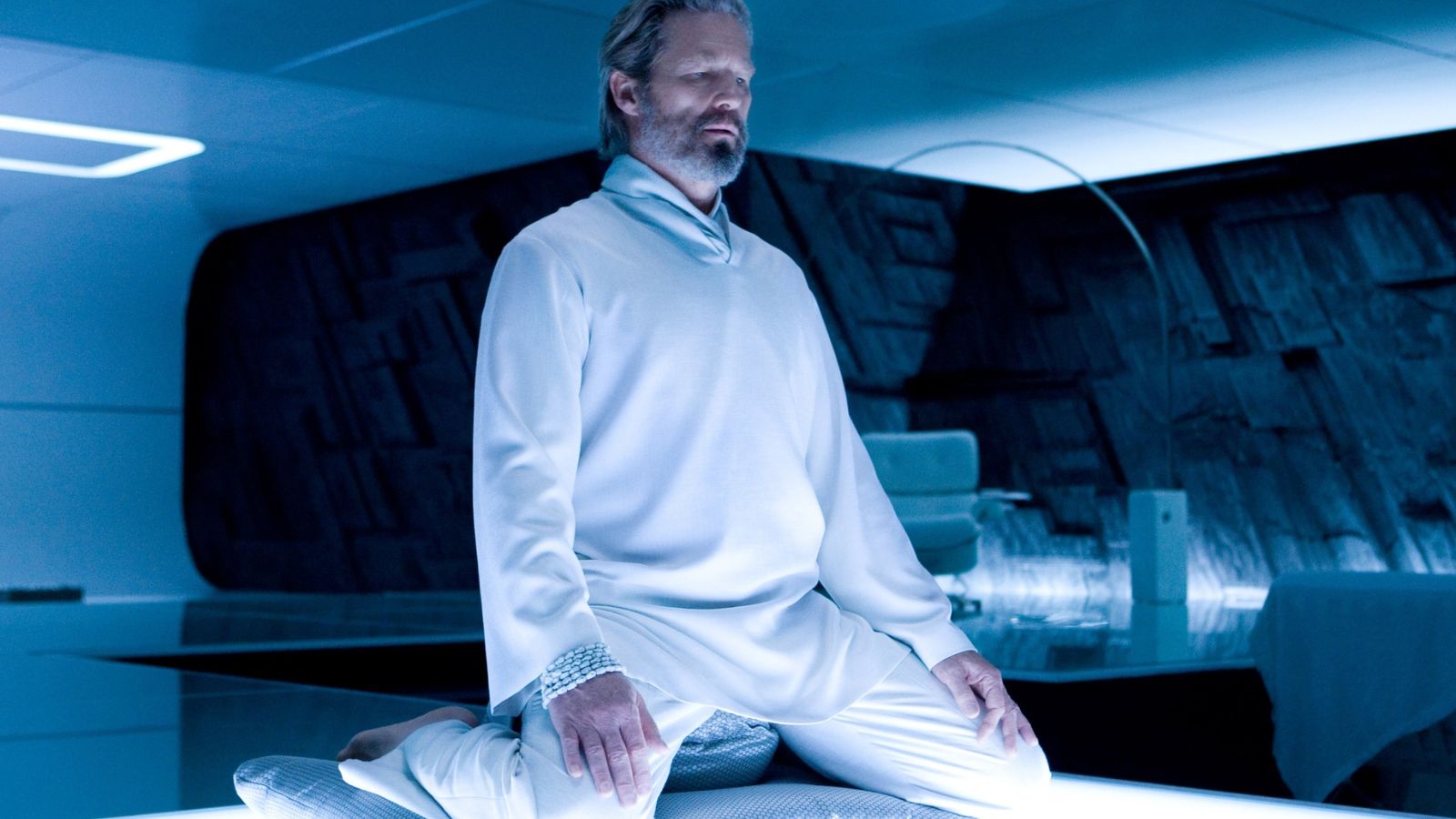
There was a time when movie studios were willing to gamble enormous amounts of money on risky ideas, ambitious directors, and productions that sounded almost impossible to control. Some films built massive practical sets, shut down cities, stretched schedules endlessly, or relied on thousands of extras instead of digital shortcuts. Even when they became classics, many of these productions created financial headaches that modern studios would probably never tolerate now. Today’s industry leans heavily toward safer investments, recognizable franchises, and tighter production oversight. These movies came from a different era of filmmaking, when studios occasionally handed over huge budgets and simply hoped everything would somehow work out in the end.
IMDb
Cloud Atlas (2012)
Its sprawling narrative structure and enormous production scope made financing the project an unusually difficult challenge.
IMDb
Cutthroat Island (1995)
The expensive pirate adventure became symbolic of how dangerous oversized productions could become financially.
IMDb
Dances With Wolves (1990)
The large outdoor production and commitment to practical filmmaking represented a scale that studios now rarely attempt for adult dramas.
IMDb
Heaven’s Gate (1980)
The production’s endless delays and extravagant spending became one of Hollywood’s most famous cautionary tales.
IMDb
King Kong (2005)
Peter Jackson’s ambitious vision resulted in a huge budget driven by visual effects and extensive production demands.
IMDb
Lawrence of Arabia (1962)
Its vast desert production and large scale practical filmmaking required resources that modern studios rarely commit anymore.
IMDb
Pearl Harbor (2001)
The production combined expensive, large scale action with practical destruction on a level that became increasingly rare afterward.
IMDb
Pirates of the Caribbean At World’s End (2007)
The massive effects workload and escalating franchise budget represented a scale few studios would risk on a single sequel today.
IMDb
Tron Legacy (2010)
The visually ambitious sequel relied on costly technology and digital experimentation that studios now approach far more cautiously.
IMDb
Superman Returns (2006)
The studio invested enormous money into reviving the franchise, creating pressure that modern executives would likely avoid.
IMDb
The Adventures of Baron Munchausen (1988)
The fantasy production suffered constant setbacks and runaway expenses that became nearly as famous as the movie itself.
IMDb
The Lord of the Rings Trilogy (2001)
Financing three enormous fantasy films simultaneously was considered an almost unbelievable gamble at the time.
IMDb
The Matrix Resurrections (2021)
Bringing back Neo and Trinity sounded like a major event on paper, but the return divided audiences and left many wondering what the sequel was actually trying to say compared to the original trilogy.
IMDb
Titanic (1997)
Its enormous practical sets and groundbreaking effects pushed the budget so far that many expected a disaster before release.
IMDb
Waterworld (1995)
Building giant ocean sets and filming almost entirely on water turned the movie into a legendary financial risk.
IMDb
1941 (1979)
Steven Spielberg’s chaotic war comedy required large scale destruction and production logistics that quickly inflated costs.
IMDb
Apocalypse Now (1979)
Natural disasters, production issues, and an unpredictable shoot created a level of chaos studios would struggle to approve now.
IMDb
Babylon (2022)
Its extravagant recreation of early Hollywood demanded a level of spending that alarmed many industry observers.
IMDb
Ben Hur (1959)
The scale of its practical action scenes and gigantic sets reflected a kind of production ambition rarely attempted today.
IMDb
Cleopatra (1963)
The production became infamous for spiralling costs, massive set construction, and constant behind the scenes chaos.
The post 20 Films That Were Too Expensive to Ever Be Made Today appeared first on Den of Geek.