By
By 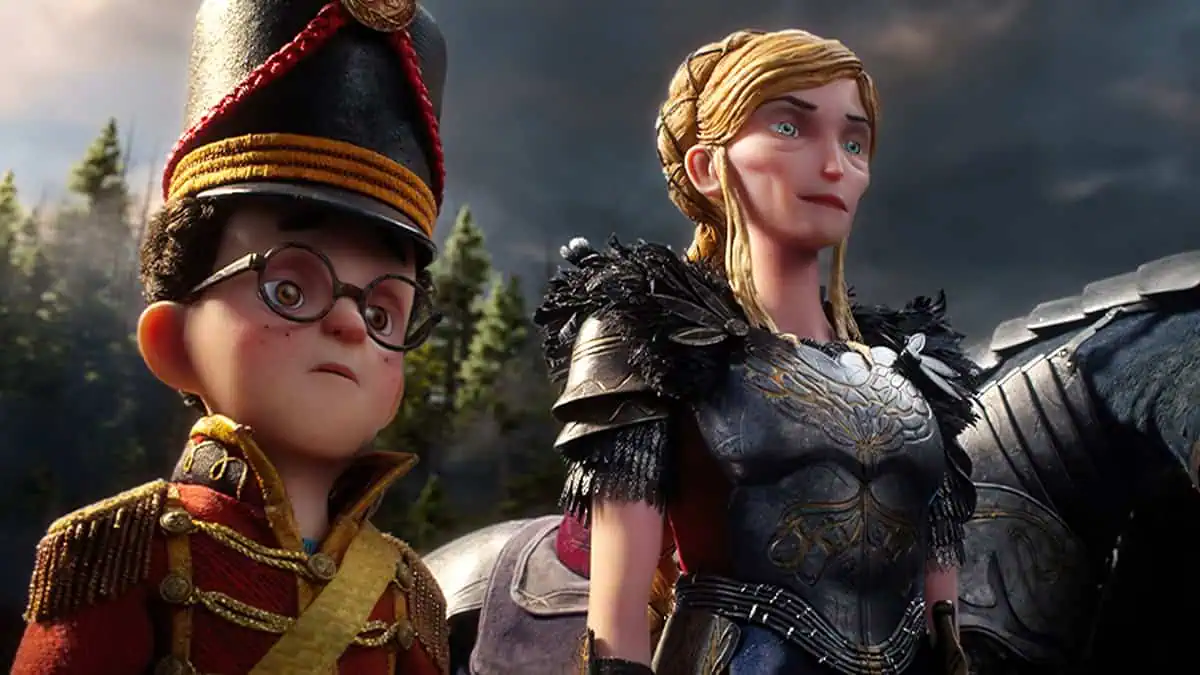
While Hollywood studios play high-stakes chicken with artificial intelligence, LAIKA takes a radically different route to animation from the heart of Portland, Oregon. Inside the incorporated city of Hillsboro, the artisans behind classics like Coraline, Kubo and the Two Strings, and ParaNorman are working tirelessly to bring their next masterpiece, Wildwood, to life. Based on the 2011 fantasy novel by Colin Meloy, Wildwood is LAIKA’s most ambitious stop-motion feature to date, featuring handcrafted worlds and characters unlike anything cinema has seen before.
This past July, I traveled to LAIKA Studios for an exclusive behind-the-scenes look at Wildwood, witnessing pure movie magic in the making—lovingly conjured by some of the industry’s most dedicated artists. Throughout the tour, we met with department leaders, visionaries, and old friends (marking my third trip to the fabled studio). After previewing select scenes from the upcoming film, I joined a roundtable discussion with screenwriter Chris Butler, whose adaptation stays true to Meloy’s epic coming-of-age story while adding distinct cinematic flair.
Here is our deep dive with Chris Butler on subverting tropes, balancing darkness with humor, and bringing Wildwood to theaters on October 23.
Subverting Fantasy Tropes
How important was the concept of imagination during the making of Wildwood?
Chris Butler: It’s vital—it’s always been my lifeblood. I told my mom I wanted to make movies when I was four years old. With Wildwood, it’s a story we’ve heard before: a child crosses a magical threshold into a fantastical world. When director Travis Knight first brought me the project, my immediate thought was, “What is LAIKA’s version of that?” We know Alice in Wonderland, The Wizard of Oz, Narnia, and we even explored that space with Coraline. So how could we embrace those classic fantasy tropes while doing something daring and subversive?
Adapting a Dense Epic
What was your approach to adapting Meloy’s novel? It’s a door-stopper of a book.
Butler: I keep telling people it’s six hundred-plus pages. It’s not. It’s like five hundred or something, but I keep adding pages. It was pretty daunting when I first got the book. Adapting something that pre-existed was a great challenge, especially for something so dense. What is essential about Wildwood that I can bring to a cinematic adaptation? It was a fun process. If you’re going to adapt a book to a movie, make the book; otherwise, why are you doing it? I wanted to stay as true to the book as possible. Obviously, I had to tweak a few things.
I met with Colin a few times. I remember the first time I met him, and I was crapping my pants. But they were into it, and that made me feel more relaxed. They saw the way we were treating it, that we were being respectful to the source material.
Streamlining Narrative & Character Dynamics
Do you have a specific approach to streamlining aspects of the book for the film?
Butler: There are a number of considerations. First of all, a big part of it is seeing what moments I can combine for time. There’s a natural thing where you’re saying, ‘That scene and that scene are doing the same thing. Can I put them together?’ The more time Prue and Curtis spend together, the more you get to enjoy their dynamic and emotional arcs.
They are flip sides of the same coin. Prue thinks she’s got both feet in adulthood. Meanwhile, Curtis is paddling in the kiddie pool. He’s obsessed with fantasy. He believes in Prue, who doesn’t believe in anything. Curtis believes in everything.
Scenes Left on the Cutting Room Floor
Is there a scene or sequence that didn’t make the final draft?
Butler: No, it’s more like there are little moments that I would have liked to put in, but I didn’t have the time. Overall, there aren’t any major sequences I omitted or couldn’t achieve. I remember writing the big battle scenes at the end and thinking, ‘Can we do this?’ But we did.
Scale, Acting, and Subverting Expectations
Did anything besides Meloy’s novel influence the script?
Butler: I kept thinking about The Lord of the Rings, but that was more for scope and scale. Like, don’t underwrite it. Keep it as a big, big adventure. This is by far the most emotionally complex movie we’ve ever done. If this were a live-action movie, what would we do? That’s been an approach in other areas as well, particularly regarding the puppets’ acting quality. Often, you expect animated characters to be wacky or larger-than-life, but we were trying to sell this as real people. When you see those puppets on screen, you’re compelled by them. You forget that they’re a puppet. The goal is to make you forget that what you’re watching was manipulated frame by frame.
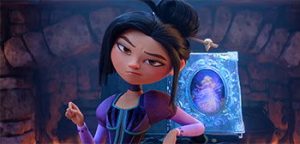
“Prue is a contemporary character. I was like, ‘I’ve read all these books, and I’ve seen all these movies, so she has too.’ She goes into this adventure with a certain amount of cynicism. She’s like, ‘Ah, I know this fairytale. I know how this goes. I know you’re the wicked queen, I know you’re going to try and bewitch me. I’m not having it.’ It was an interesting angle to take on the character. She’s very capable and savvy, almost too much. She thinks she knows everything. It was a nice way to subvert these fantasy tropes.”
Navigating Genre and Finding Balance
You’ve written several movies for LAIKA, including ParaNorman and Missing Link. Can you talk about your approach to navigating different genres?
Butler: Obviously, I’m a movie fan. I always have been. Once you know the world you’re playing in, you want to do justice to it. I was a massive ’80s horror fan, so I knew exactly what playground I was playing in. The same goes for Missing Link, Indiana Jones, and Sherlock Holmes. It’s [Missing Link] is Around the World in Eighty Days meets Laurel and Hardy meets David Lean. The same thing goes for Wildwood. When I read the book, I thought about classic works of literature, about fantasy worlds. I enjoy the challenge. It keeps things fresh. I would hate to write the same thing every time.
Wildwood has emotional complexity, and I find it easy to slip a joke in, but sometimes the joke’s not right. I had to find that balance. When you’re working with dark elements, you can get away with it by puncturing that tension with humor, but you’ve got to find a balance. ParaNorman was way more comedic. Wildwood is not. There is a reality to Wildwood that I don’t think we’ve achieved before.
For a behind-the-scenes look at Wildwood during our trip to LAIKA Studios, check out this in-depth tour recap!
The post Inside Wildwood: Screenwriter Chris Butler on Crafting LAIKA’s Most Awe-Inspiring Stop-Motion Epic Yet appeared first on JoBlo.