By
By 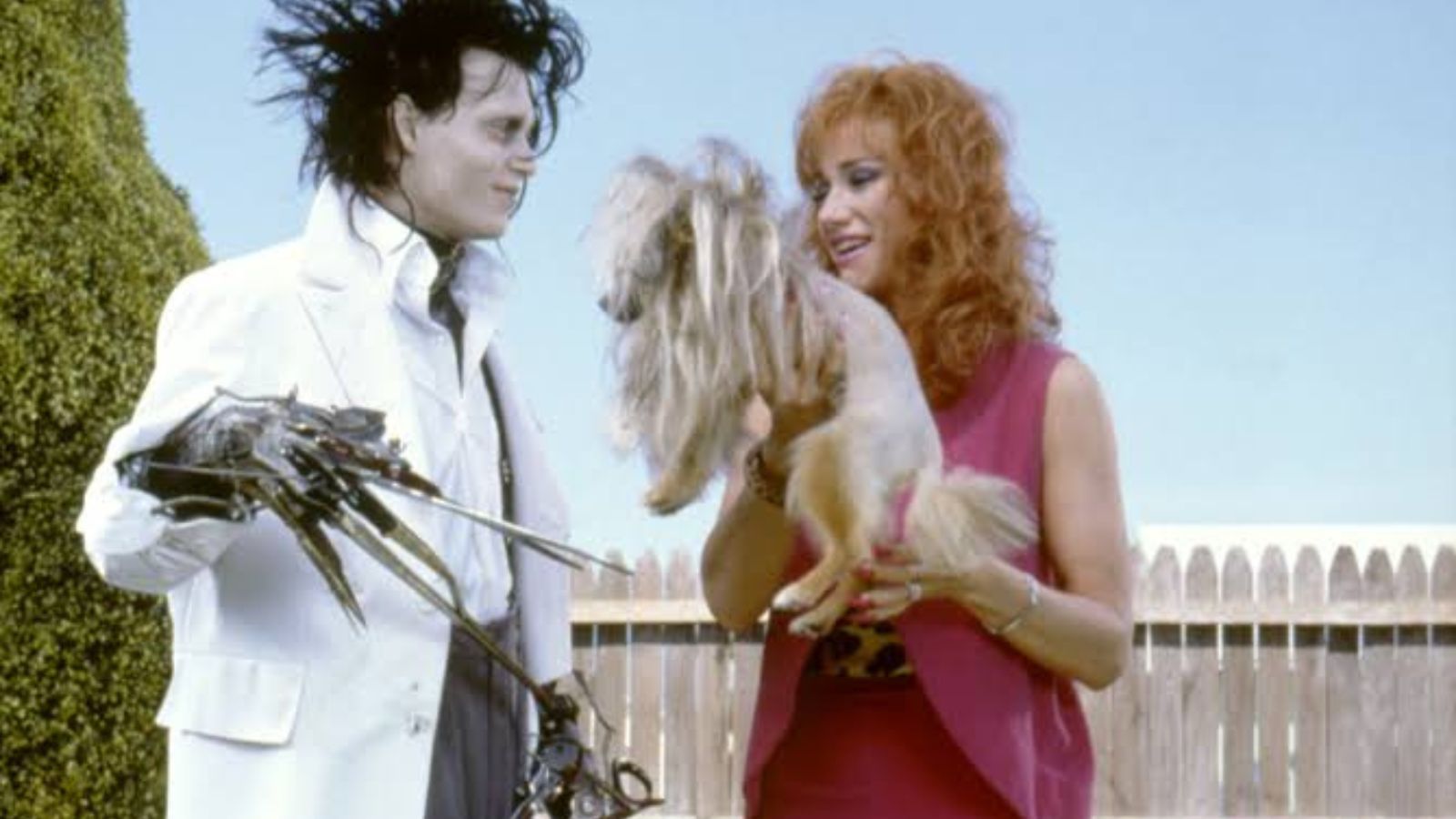
Movies are filled with little details that can seem random when you first see them. A strange costume choice, an unusual piece of dialogue, or a seemingly unnecessary moment can suddenly make perfect sense once you know what happened behind the scenes. Sometimes the explanation comes from the director’s original idea, sometimes from an actor’s decision, and sometimes from a completely unexpected problem during production. Knowing the story behind these details can make familiar movies feel surprisingly different, even when the scene itself has not changed. Here are 15 movie details that become much easier to understand once you know the backstory behind them.
IMDb
The Red Jacket in Back to the Future (1985)
Marty McFly’s red vest looks like a simple piece of 1980s fashion, but it serves a much bigger purpose in the story. His clothing immediately marks him as someone who does not belong in 1955, making the visual joke work even before anyone notices the details of his outfit
IMDb
The Sound of the T Rex in Jurassic Park (1993)
That terrifying roar was not created from a single animal. The sound designers combined recordings from several creatures, including an elephant, tiger and alligator, creating a completely fictional sound for a dinosaur that audiences had never actually heard
IMDb
The Sunglasses in The Matrix (1999)
The characters’ sunglasses were carefully chosen to reflect their personalities. Neo’s narrow frames, Morpheus’s distinctive lenses and the other characters’ designs were part of a larger visual language created to make everyone immediately recognizable inside the strange world of the Matrix
IMDb
The Number 42 in The Hitchhiker’s Guide to the Galaxy (2005)
The number 42 is presented as the answer to the ultimate question of life, the universe and everything. Its intentionally meaningless explanation comes directly from Douglas Adams, who chose the number because he thought it was simply a funny and ordinary answer
IMDb
The Color Red in The Sixth Sense (1999)
Red appears repeatedly throughout the movie in places that initially seem completely ordinary. Once you understand the film’s central twist, those carefully placed red objects take on another meaning and become visual clues hiding in plain sight
IMDb
The License Plate in No Country for Old Men (2007)
The details surrounding Anton Chigurh are deliberately sparse, including the information attached to his car. The lack of explanation helps maintain the sense that he exists outside the normal world of the characters, making his sudden appearances feel even more unsettling
IMDb
The Hobbits’ Bare Feet in The Lord of the Rings (2001)
The hobbits appear to have enormous hairy feet because that is exactly what the production wanted audiences to believe. The filmmakers built detailed prosthetic feet for the actors, helping establish the physical identity of hobbits before the story even explains much about them
IMDb
The Yellow Suit in Kill Bill (2003)
The Bride’s famous yellow outfit was a deliberate visual reference to Bruce Lee’s costume in Game of Death. Quentin Tarantino used the instantly recognizable look as part of his broader love letter to martial arts cinema and the films that influenced him
IMDb
The Mirror in Taxi Driver (1976)
Travis Bickle repeatedly talks to himself while looking into a mirror, creating one of the film’s most famous moments. The scene feels so natural because Robert De Niro largely developed the performance himself, turning a simple rehearsal into an unforgettable character study
IMDb
The Clothes in Clueless (1995)
Cher’s outfits were not simply designed to make her look fashionable. Costume designer Mona May created an elaborate wardrobe to communicate Cher’s personality, wealth and emotional development, making the clothing an important part of understanding the character
IMDb
The Limp in The Usual Suspects (1995)
Roger Kint’s physical appearance contains clues that only become meaningful after the film’s final revelation. His limp and other details are part of the carefully constructed story he tells, making earlier scenes look very different once the audience knows what is really happening
IMDb
The Fake Hands in Edward Scissorhands (1990)
Edward’s hands are not just a strange character design. They visually represent the fact that he was never completed by his creator, giving his unusual appearance a direct connection to the story and making his difficulty interacting with the world immediately understandable
IMDb
The Coffee Cup in Fight Club (1999)
Several tiny visual details hint that something is wrong with the reality presented by the narrator. Once the central revelation is known, these moments become much easier to recognize as deliberate clues rather than random filmmaking choices
IMDb
The Piano in The Pianist (2002)
The piano is much more than a prop in the story. Władysław Szpilman’s identity as a pianist becomes crucial to his survival, which gives the scenes involving music and the instrument a deeper meaning that becomes clearer as his circumstances deteriorate
IMDb
The Empty Spaces in Lost in Translation (2003)
The quiet pauses, empty hotel spaces and long stretches without dialogue are intentional parts of the film’s storytelling. Sofia Coppola wanted the atmosphere of isolation to carry emotional weight, allowing the characters’ loneliness to be felt even when almost nothing is being said
The post 15 Movie Details That Make More Sense Once You Know the Backstory appeared first on Den of Geek.