By
By 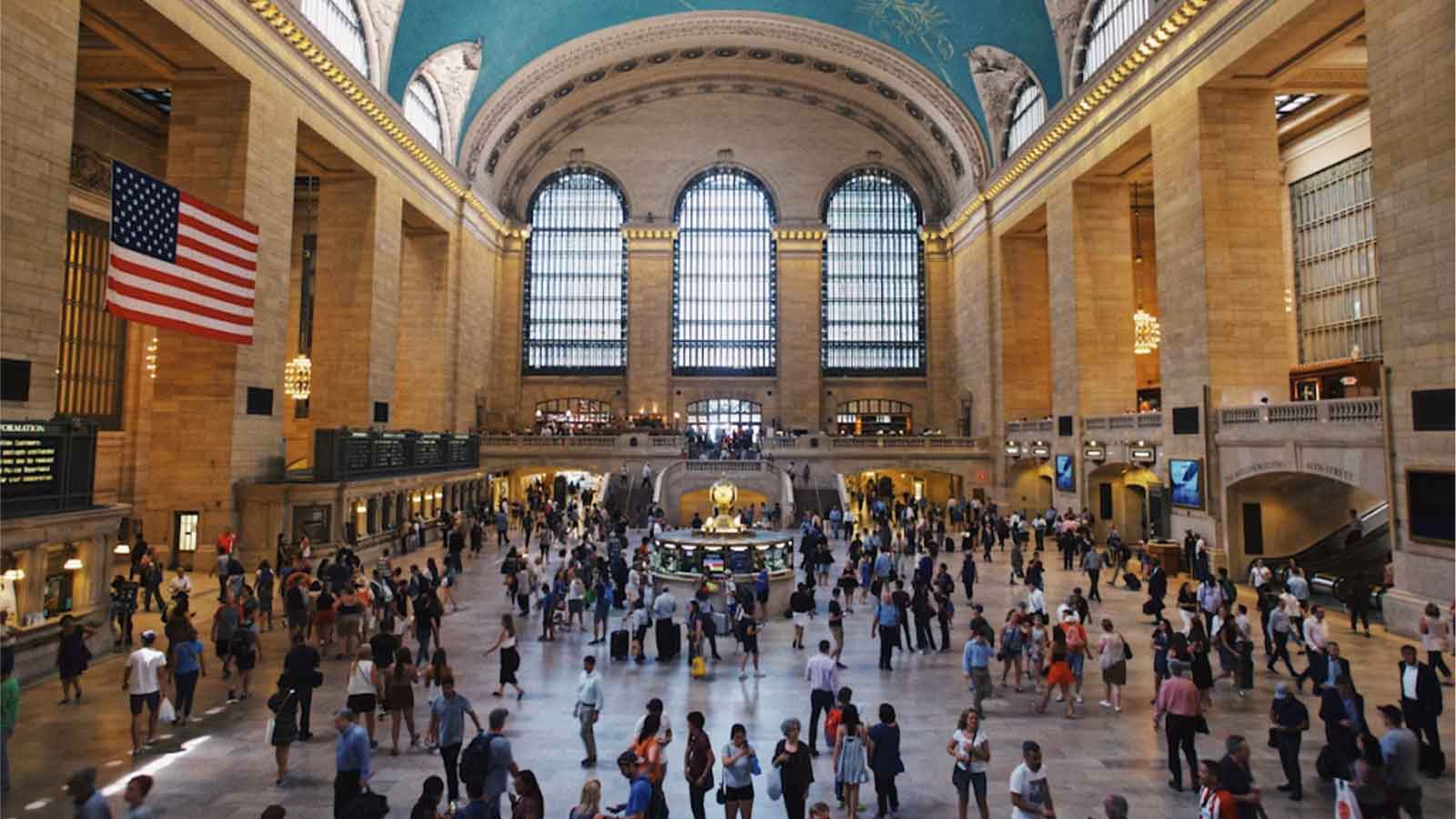
Some landmarks feel so permanent that imagining the world without them is nearly impossible. Yet plenty of places we now treat as untouchable came surprisingly close to disappearing. Developers wanted to replace beloved buildings, engineers proposed flooding extraordinary landscapes, and wars, fires, neglect, and unstable foundations nearly finished the job elsewhere. In several cases, preservationists had to fight for years before anyone agreed that saving the old thing was better than replacing it with something new. Others survived because of enormous engineering projects or remarkably fortunate last-minute interventions. Today, millions of people visit these places without realizing how differently things could have turned out. Here are 15 famous places we almost lost forever.
©Unsplash
The Eiffel Tower
The Eiffel Tower wasn’t originally expected to dominate Paris forever. Gustave Eiffel initially received rights to the site for only 20 years, but the tower’s usefulness for scientific experiments and communications helped save it from dismantling.
©Unsplash
Grand Central Terminal
New York’s famous terminal faced multiple redevelopment proposals as rail travel declined, including plans involving a huge office tower. A preservation battle eventually reached the Supreme Court, which upheld protections that kept Grand Central standing.
©Unsplash
Notre-Dame Cathedral
The 2019 fire destroyed Notre-Dame’s roof and spire, and the cathedral came dangerously close to suffering much greater structural damage. Firefighters prevented flames in the north belfry from causing a collapse that could have taken down the tower and part of the façade.
©Unsplash
Abu Simbel
Construction of Egypt’s Aswan High Dam threatened to leave the ancient temples of Abu Simbel beneath rising water. An enormous international campaign dismantled and reconstructed the temples on higher ground during the 1960s.
©Unsplash
The Leaning Tower of Pisa
By 1990, Pisa’s famous tower was leaning so severely that officials closed it over fears it could collapse. Engineers eventually stabilized the structure by carefully removing soil from beneath part of its foundation.
©Unsplash
Independence Hall
Less than 50 years after hosting some of America’s most important founding events, Independence Hall faced possible destruction. Philadelphia purchased the property from Pennsylvania in 1816, protecting it from potential redevelopment by private buyers.
©Unsplash
Stonehenge
By the early 20th century, Stonehenge needed physical stabilization while development was also threatening its surrounding landscape. The monument entered public ownership in 1918, while preservation campaigns helped protect much of the land around it.
©Unsplash
Carnegie Hall
Carnegie Hall faced demolition more than once, with another serious threat arriving in 1959 as its owners planned to sell the site. Violinist Isaac Stern led a campaign that ultimately helped keep the legendary concert hall standing.
©Unsplash
Radio City Music Hall
Financial problems put Radio City Music Hall at risk of demolition in the late 1970s. Performers, preservationists, politicians, and supporters rallied around the Art Deco venue, which received landmark protection in 1978.
©Unsplash
The Grand Canyon
Plans introduced in the 1960s called for two dams near Grand Canyon National Park that would have dramatically altered the Colorado River and surrounding landscape. A major environmental campaign helped defeat the proposals, and neither dam was built.
©Unsplash
The Hollywood Sign
The original Hollywood Sign deteriorated so badly that parts of its letters literally fell apart during the 1970s. A celebrity-backed fundraising campaign paid for a complete steel replacement in 1978, creating the much sturdier sign seen today.
©Unsplash
Mount Vernon
By the mid-1800s, George Washington’s Mount Vernon had deteriorated badly, with parts of the mansion requiring structural support. The Mount Vernon Ladies’ Association purchased the property and began the long preservation effort that saved it.
©Unsplash
Monticello
Thomas Jefferson’s famous Virginia home deteriorated significantly after leaving his family’s ownership, while its grounds were radically altered. Uriah Phillips Levy purchased Monticello in 1834 and chose to preserve the property rather than remake it.
©Unsplash
St. Paul’s Cathedral
St. Paul’s survived repeated attacks during the Blitz, including incendiary devices and direct bomb strikes. Volunteers protected the cathedral from fires, while one massive unexploded bomb that could have destroyed much of the building was successfully removed.
©Unsplash
Dubrovnik’s Old City
Dubrovnik’s historic center suffered serious damage during the armed conflict of the early 1990s and was placed on UNESCO’s World Heritage in Danger list. A major restoration effort repaired damaged roofs, façades, palaces, and other historic structures, allowing the city to leave the danger list in 1998.
The post 15 Famous Places We Almost Lost Forever appeared first on Den of Geek.