By
By 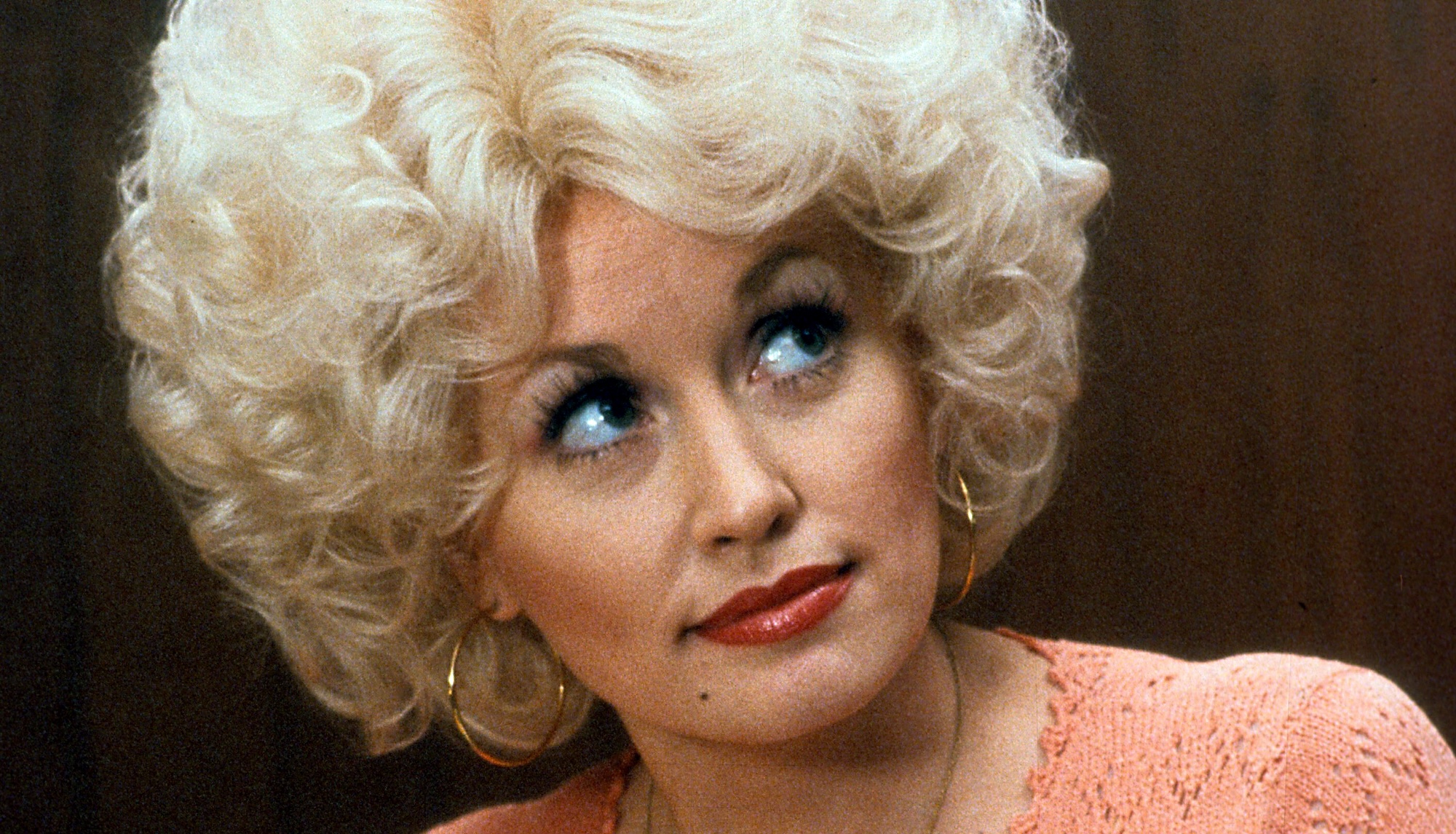
When Dolly Parton died yesterday at the age of 80, she left behind an incredible legacy. Not only did she create timeless tunes such as “Jolene” and “Islands in the Stream,” and not only did she appear in films like The Best Little Whorehouse in Texas and Steel Magnolias—to say nothing of her countless television appearances—but she also left behind hundreds, if not thousands, of lives who were changed by her charity work.
In addition to her literary program Dolly Parton’s Imagination Library and her educational non-profit the Dollywood Foundation, Parton stood up for causes not often associated with country singers from the American South, such as Black Lives Matter and women’s issues. These parts of her legacy were not separate from one another. In fact, Parton did her advocacy work right from the beginning of her film career, drawing attention to sexual harassment in the workplace in her debut feature, 9 to 5.
9 to 5 stars Jane Fonda as Judy Bernly, a housewife thrust into the workplace after her divorce. Hence why she takes a job as a secretary at the offices of Consolidated Companies where she meets veteran worker Violet Newstead (Lily Tomlin) and Doralee Rhodes (Parton), secretary to domineering and incompetent vice president Franklin Hart (Dabney Coleman). After once again getting passed over for promotion by an unqualified man, and after smoking marijuana at Dorlee’s house, the three women hatch a plot for revenge against Hart, deciding to pour laxative in his coffee. But when Doralee mistakenly uses rat poison instead, the three have to deal with the fallout of potentially killing their boss.
From that point on, 9 to 5 becomes a delightful, farcical romp, and Parton owns the screen as a woman who has finally been pushed too far. In the first half of the movie, Doralee is the object of unwanted sexual attention from her male co-workers. Hart in particular puts his hands on Doralee and makes lascivious comments, and even spreads rumors that the two of them are having an affair, despite the fact that she’s married. The rumors not only embolden the men to objectify Doralee, but they anger the other women in the office, who treat Doralee as someone who got her job by doing sexual favors instead of good work.
9 to 5 released in 1980, back when sexual harassment in offices was still at Mad Men levels. The idea for the film came first to Jane Fonda, who had been spending time with female office workers. She wanted to draw attention to the plight of those who not only had their labor exploited by their employers but also had to have that labor valued lower than that of their male counterparts while also being leered at. Fonda recruited Robert Altman collaborator Patricia Resnick to write a screenplay about the issue, and found Colin Higgins, writer of the counterculture classic Harold and Maude, to direct.
By this point, Fonda had long been known for activism, particularly her speaking out against the Vietnam War and in support of Civil Rights. But the same was not true of Dolly Parton. She was still eight years away from founding the Dollywood Foundation and doing her most significant philanthropy. Instead she was more focused on being a popular musician, someone who performed excellent and catchy songs but who wouldn’t challenge audiences—especially more conservative-leaning country audiences.
Yet Parton was already looking to make the move into feature films, and had signed a three-picture deal with 20th Century Fox. So when she realized that the project that she, Higgins, and Resnick had put together was too didactic as a drama, Fonda went looking for someone to interject some sweetness and lightness into the film. And Fonda certainly found lightness in the form of the deliciously deadpan Tomlin and in Colman’s easily-hatable comic persona. But it was Parton who brought the sweetness, fully embodying a woman who just wanted to do her job and do it well without causing any trouble. Doralee does not set out to be a revolutionary, but she’s pushed to extreme ends by her ravenous boss.
To her credit, Parton manages to retain that sweetness, even when Doralee gets pushed to her breaking point in the film’s most infamous scene. Finally tired of Hart’s condescension and the rumors he’s been spreading about their affair, Doralee lets him have a piece of her mind. Even though Hart towers over her, Doralee keeps pushing forward, forcing him to walk back behind his desk. When he tries his old tricks to calm her, even placing his hands on her shoulders, Doralee just bats them away.
“Look, I’ve got a gun out there in my purse,” she finally declares when Hart tells her to sit and calm down. “Up to now, I’ve been forgiving and forgetting because of the way I was brought up. But I’ll tell you one thing—if you ever say another word about me or make another indecent proposal, I’m gonna get that gun of mine… and I’m gonna change you from a rooster to a hen with one shot!”
In that moment, with that line delivery, Parton cements her status as a bonafide screen star. Moreover, she transcends her status as a pop icon or a mere celebrity. With a single line delivery, she becomes an advocate, someone who won’t stand by while others suffer; someone who draws attention to wrongs in the world. She would continue being an advocate for the rest of her life.
The post Dolly Parton Was Already an Advocate in Her First Film Role appeared first on Den of Geek.