By
By 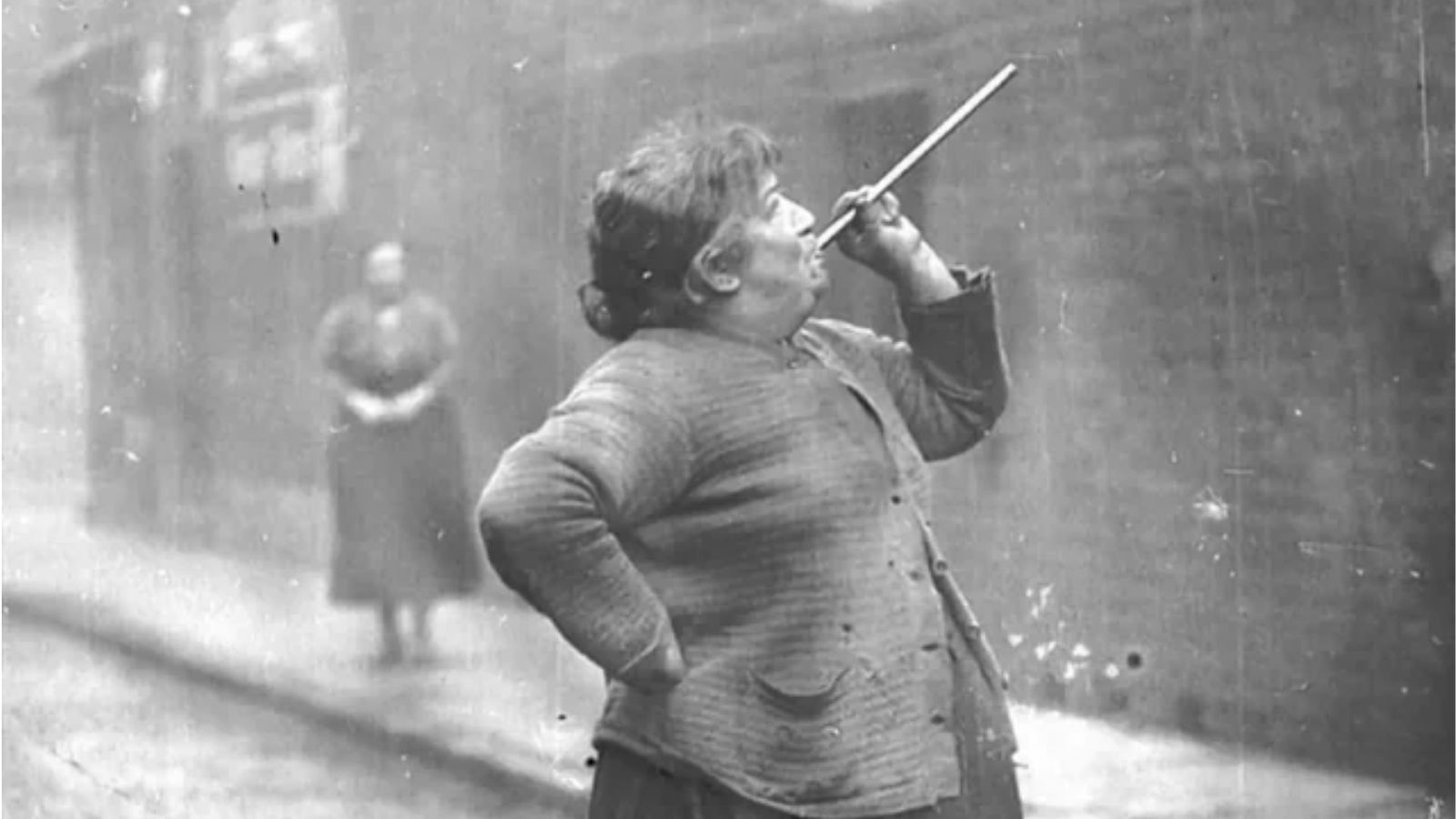
Complaining about work gets a little harder after looking through an old list of occupations. Plenty of jobs that once seemed completely normal have disappeared because a machine, a sewer system, or simply a change in everyday life made them unnecessary. Others were so specific to their time that it’s difficult to imagine anyone hiring for them today. People were paid to wake strangers by tapping on their windows, collect leeches from marshes, search river mud for anything worth selling, and perform calculations before “computer” meant a machine. Some jobs were unpleasant, some were surprisingly important, and a few had names that sound like they were invented for a comedy. Somehow, all of them were real.
Knocker-Uppers Were Human Alarm Clocks
Before affordable alarm clocks became common, people could pay someone else to make sure they got out of bed. Knocker-uppers walked the streets early in the morning, tapping on windows with long poles or even shooting peas at them until their clients woke up.
Pinsetters Reset Bowling Pins by Hand
Bowling used to require considerably more human labor. Before automatic pinsetting machines, workers stood behind the lanes to clear fallen pins, arrange them again, and return bowling balls. The job was often done by young men and boys.
©Unsplash
Leech Collectors Used Their Own Bodies as Bait
Medicinal leeches were once in enormous demand, which meant somebody had to find them. Leech collectors searched ponds and marshes and sometimes used their own bare legs to attract the creatures before gathering them for sale.
Human Computers Did the Math
Long before a computer was something sitting on a desk, it could be someone’s actual job title. Human computers performed complex calculations by hand, with teams of mathematicians eventually playing important roles in astronomy, engineering, and the early American space program.
©Unsplash
Lamplighters Turned on the Streetlights
Cities didn’t always illuminate themselves automatically at sunset. Lamplighters made regular rounds to light street lamps individually, then returned to extinguish them and keep the equipment working properly.
©Unsplash
Rat Catchers Were Professional Pest Hunters
When growing cities had serious rodent problems, rat catching could be a full-time occupation. Professional catchers trapped and removed rats from homes, businesses, streets, and other places where nobody particularly wanted to encounter them.
©Unsplash
Mudlarks Searched Riverbanks for Things to Sell
Victorian London’s muddy Thames foreshore could provide a very modest living. Mudlarks searched through the muck at low tide for coal, metal, rope, and other objects they could sell, with the work often associated with some of the city’s poorest residents.
©Unsplash
Toshers Hunted for Treasure in Sewers
Apparently the river wasn’t adventurous enough for everyone. Toshers searched London’s sewers for coins, metal, and other discarded valuables that could be recovered and sold. Think treasure hunting, except the location was considerably less glamorous.
©Unsplash
Gong Farmers Cleaned Out Cesspits
The cheerful name does not reflect the work. In Tudor England, gong farmers removed human waste from privies and cesspits before modern sewer systems existed. Because the job was considered so unpleasant, they were generally required to work at night.
©Unsplash
Pure Finders Collected Dog Droppings
Victorian streets contained something the leather industry actually wanted. “Pure” was the polite trade name for dog droppings used during leather processing, and pure finders collected the material from streets before selling it to tanneries.
©Unsplash
Sin-Eaters Were Paid to Take on the Dead’s Sins
In a folk practice documented in parts of Britain, a sin-eater consumed food placed in connection with a deceased person. The ritual symbolically transferred the dead person’s sins to the eater, who received food or payment for performing the task.
©Unsplash
Town Criers Were Walking News Alerts
Before phones, social media, or widespread access to newspapers, important information still had to reach everyone. Town criers walked through public spaces ringing a bell and loudly announcing official news, proclamations, and other information.
©Unsplash
Herb Strewers Made Royal Rooms Smell Better
Before modern cleaning products and air fresheners, pleasant-smelling plants could help make an indoor space more tolerable. Britain’s royal household even had herb strewers who scattered aromatic herbs and flowers around royal residences.
©Unsplash
Food Tasters Took the First Bite
Powerful people have worried about poisoned meals for centuries, creating one particularly nerve-racking responsibility. Food tasters sampled dishes before they reached an important person, theoretically providing reassurance that dinner was safe to eat.
©Unsplash
Dog Whippers Kept Dogs Out of Church
Dogs wandering into church services apparently became enough of a nuisance to require their own employee. Dog whippers were tasked with removing troublesome animals and keeping them from disrupting services. It’s probably not a title you’d want without an explanation.
The post 15 Real Jobs From the Past That Sound Completely Made Up appeared first on Den of Geek.