By
By 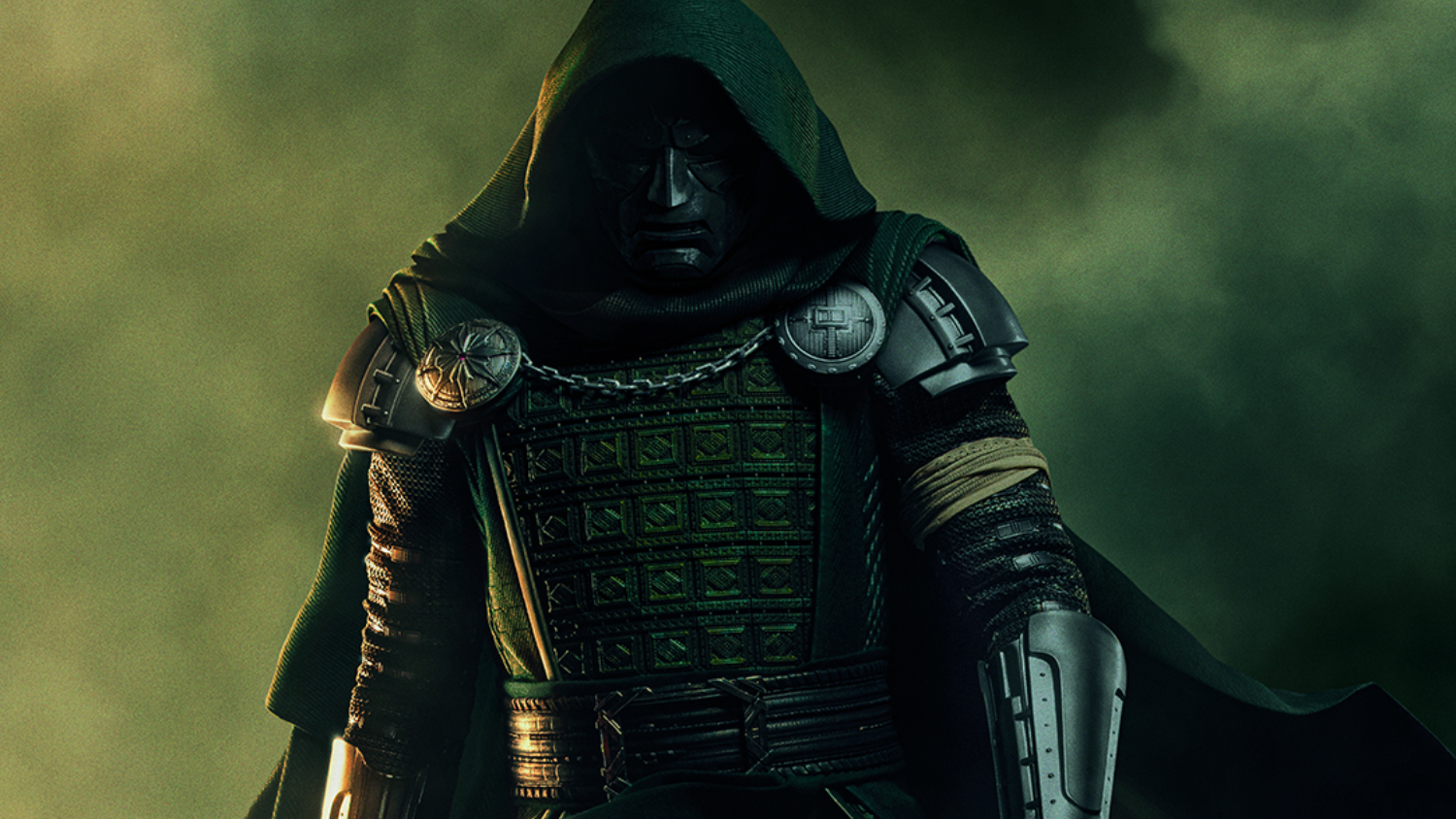
Barring an ominous but brief post-credits scene in last year’s Fantastic Four: First Steps—a cameo, we might add that featured neither a line of dialogue or closeup—Robert Downey Jr.’s Doctor Doom will not have a real introduction before the highly anticipated Marvel Studios joint bearing his name this December: Avengers: Doomsday. Off-screen, the diehard fans and even some casuals know one of the key reasons for this. Until sometime well into 2024, Downey nor Doom were expected to star in the first Avengers movie since 2019’s Endgame. But following some last-minute brainstorming and rearranging of MCU strategy, Avengers day became Doomsday.
For this reason, perhaps, some fans have been apprehensive about the upcoming Avengers movie, feeling like Downey’s villainous turn to Doctor Doom does not have enough setup like, they say, Josh Brolin’s Thanos received across the “the Infinity Saga,” the series of MCU movies released between the first Avengers in 2012 and Endgame seven years later. Yet Marvel Studios President Kevin Feige openly disputed that perception this past weekend at San Diego Comic-Con.
“The Thanos ‘build-up’ has built up in people’s heads over the years,” Feige told influencer Brandon Davis on Saturday. “He sat in a chair at the end [of The Avengers]. He pulled a gauntlet out and said, ‘I’ll do it myself’ [in Avengers: Age of Ultron], and he yelled at Ronan on a video screen briefly [in Guardians of the Galaxy] and that was kind of it. And I remember the memes making fun of Thanos for just sitting in a chair, and all he does is sit on a chair… and when we got to Infinity War, we said, ‘This really is the introduction of Thanos,’ that really is how that movie was built. That’s what we’re doing with Doom. Doomsday is the introduction and story of Doom. You peel the onion, you learn things as you go, and it is very much for audiences who know and love him from the comics and audiences who have no clue who he is.”
There has been some pushback to what comes across as a bit of a defensive statement from Feige, however he is largely in the right.
So much of the first three phases of the Marvel Cinematic Universe have been romanticized of late that the details have faded from memory. Admittedly the consistency was stronger in the era when Feige and company were only required to worry about two or three movies a year as opposed to three films, plus four TV shows due to corporate mandates at the beginning of the 2020s. Nevertheless, the “Infinity Saga” as it retroactively began to be marketed in Phase Three of the MCU (which began roughly around 2016) was never quite the straight line of escalating tension that some fans make out.
In fact, there was a common refrain in the press about whether Marvel Studios had “a villain problem” given how unremarkable many of the antagonists were, specifically during the Phase Two era with the likes of Malekith in Thor 2, Yellowjacket in Ant-Man, or indeed Ronan the Accuser in the otherwise delightful Guardians of the Galaxy. With the afterglow of Christopher Nolan’s Dark Knight trilogy still bright (think Heath Ledger’s Joker and Tom Hardy’s Bane) or the still-thriving X-Men films not fully tapping out the Magneto well, it left some debate as to why the MCU baddies were so forgettable. And in that context, many scoffed at Thanos for being little more than a guy in a chair, who also like Doom had no lines of dialogue in the first Avengers and in the second superhero team-up film, simply picked up a gauntlet that the casuals might’ve thought was an odd fashion statement.
That obviously changed in Marvel’s third phase thanks to performances and depictions like Daniel Brühl’s Zemo, Cate Blanchett’s Hela, and most especially Michael B. Jordan’s Michael B. Jordan’s Kilmonger in Black Panther. And also Thanos.
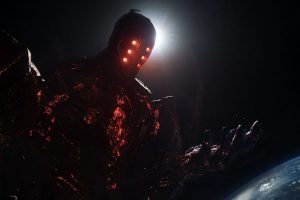
Anecdotally, I remember personally wondering if Thanos could be a bust similar to Oscar Isaac’s Apocalypse before getting to the first scene in Avengers: Infinity War. Suddenly there was no doubt about the severity of threat Marvel could conjure by introducing him wiping out entire scores of beloved MCU characters—Loki, Heimdall, and even Hulk to a certain extent—and being played with a strangely dignified gravitas by Brolin in spite of the CG-purple-people-eater alien design.
Nowadays comic book movie fans will tell you Thanos is one of the great baddies of the big screen, but a decade ago, there was, as Feige points out, memes making fun of him for doing nothing.
With that said, Feige is overlooking how the potential threat of Thanos was laid out for several films while the character was off-screen. His post-credits cameos might have been a bit thin, but the first two Guardians of the Galaxy movies, especially the second one, did a lot of worldbuilding by revealing how horrible Thanos was to Gamora and Nebula’s characters, and the psychic scars it inflicted on his adopted “daughters.” Similarly, the Infinity Stones were being setup since Thor in 2011.
Doom does not have that kind of runway. But I’d argue while Thanos’ impact on Nebula and Gamora was great character development for them, he was still little more than an off-screen terrible father figure, and the Infinity Stones were MacGuffins only the hardcore comic book fans were keeping track of before 2018. The reason they ended up having meaning for all audiences is how they were finally employed in Infinity War. Which is to say, Marvel did miss something by not setting up Doom’s backstory with other characters in the MCU, most especially the Fantastic Four.
That Doomsday needs to both introduce Doom and in broad strokes explain his entire history with Marvel’s First Family is not an enviable task. But neither was making a purple CGI giant a figure of operatic menace. So… let’s just see how it goes, eh?
Avengers: Doomsday opens on Dec. 18.
The post Kevin Feige Is Mostly Right About the Thanos and Doctor Doom Comparison appeared first on Den of Geek.