By
By 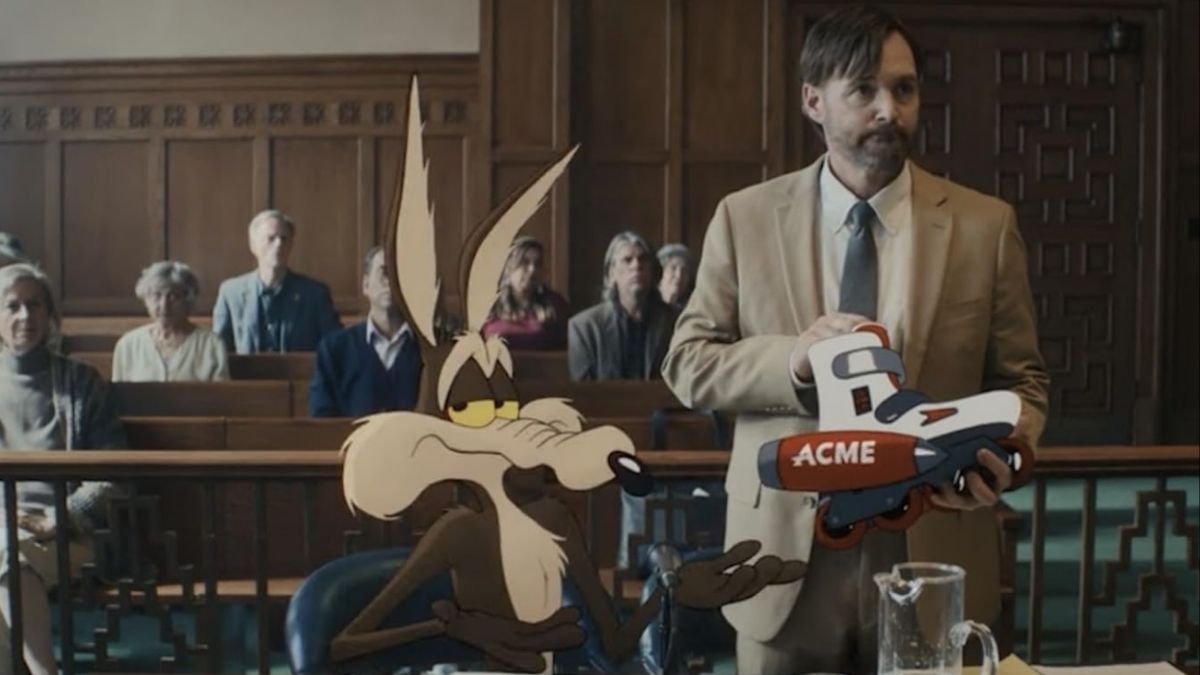
Movies, television, and video games are filled with memorable fictional companies that somehow keep the lights on despite endless lawsuits, catastrophic accidents, or spectacularly incompetent management. In the real world, many of these businesses would be bankrupt after their first major incident, buried under regulatory fines, insurance claims, or public outrage.
Others survive only because stories need them to. These companies have become iconic precisely because they operate by fictional rules instead of real-world business realities. Here are a few we’ve chosen that probably wouldn’t last a year outside fiction.
IMDb
Acme Corporation (Looney Tunes)
Acme sells gadgets that almost always explode, malfunction, or catastrophically fail. Between endless product liability lawsuits, recalls, and customer injuries, the company would almost certainly collapse under legal judgments long before Wile E. Coyote could order another rocket-powered contraption.
IMDb
Dunder Mifflin (The Office)
Dunder Mifflin struggles to compete in a shrinking paper industry while enduring constant HR violations, management disasters, and questionable business decisions. In reality, the company’s legal expenses and declining market would likely force bankruptcy much sooner.
IMDb
InGen (Jurassic Park)
After multiple dinosaur-related fatalities across several parks and facilities, InGen would face overwhelming lawsuits, criminal investigations, and regulatory intervention. No modern corporation could survive repeated disasters involving genetically engineered predators escaping into public spaces.
IMDb
Umbrella Corporation (Resident Evil)
Umbrella repeatedly causes viral outbreaks that devastate entire cities while attempting to conceal its involvement. Even before global catastrophe struck, the company’s criminal negligence, illegal experimentation, and countless wrongful death claims would permanently destroy its business.
IMDb
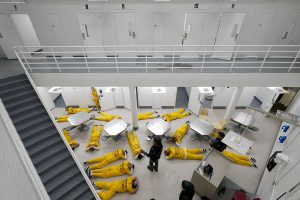
Aperture Science (Portal)
Aperture Science burns through enormous resources conducting wildly unethical experiments on unwilling test subjects. Between workplace fatalities, unsafe laboratories, and reckless executive decisions, government regulators would almost certainly shut the company down before portal technology reached consumers.
IMDb
Oceanic Airlines (Lost)
After suffering multiple mysterious disasters across its history, Oceanic Airlines would face a public relations nightmare. Passenger confidence would collapse, insurance premiums would skyrocket, and regulators would likely ground the airline pending exhaustive safety investigations.
IMDb
Buy More (Chuck)
Buy More somehow survives despite chronic employee misconduct, property damage, theft, and spectacular customer service failures. Any real electronics retailer experiencing that level of operational chaos would struggle to retain customers, staff, or corporate investors.
IMDb
Duff Beer (The Simpsons)
Duff enjoys enormous popularity despite frequently encouraging reckless marketing practices and questionable corporate ethics. Numerous scandals involving its leadership and promotional campaigns would likely invite regulatory scrutiny and expensive legal challenges in the real beverage industry.
IMDb
Prestige Worldwide (Step Brothers)
Prestige Worldwide never develops a coherent business model beyond vague branding and absurd promotional events. Investors would quickly lose patience with a company producing no meaningful products or sustainable revenue despite its founders’ boundless confidence.
IMDb
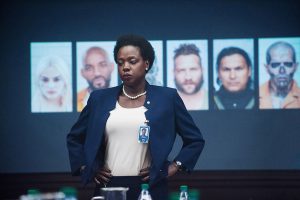
Cyberdyne Systems (The Terminator)
Cyberdyne repeatedly develops increasingly dangerous artificial intelligence with catastrophic consequences. Even ignoring Skynet’s ultimate fate, the company’s negligence surrounding autonomous military technology would trigger devastating lawsuits and intense government oversight.
IMDb
MomCorp (Futurama)
MomCorp effectively controls countless consumer products while repeatedly placing profits above public safety. The company’s history of dangerous inventions and monopolistic behavior would attract relentless antitrust investigations, recalls, and consumer protection lawsuits.
IMDb
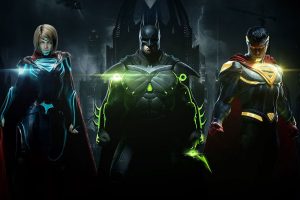
Wayne Enterprises Applied Sciences (The Dark Knight Trilogy)
Wayne Enterprises’ Applied Sciences division develops advanced military hardware that repeatedly falls into criminal hands. Shareholders and regulators would demand sweeping accountability after so many prototype weapons were stolen and used to endanger civilians.
IMDb
Rich Industries (Tommy Boy)
Rich Industries knowingly sells defective brake pads that put countless drivers at risk. Once the defects became public, the company would face massive recalls, product liability lawsuits, government penalties, and likely complete financial collapse.
YouTube/Seinfeld
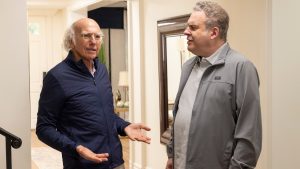
Vandelay Industries (Seinfeld)
George Costanza repeatedly invents Vandelay Industries as a fake employer, importer, or exporter depending on the situation. With no actual products, staff, or operations, the company would never survive even the most basic business verification.
IMDb
Wonka Industries (Charlie and the Chocolate Factory)
Wonka’s factory routinely allows children into hazardous production areas filled with experimental candy and dangerous machinery. Modern workplace safety standards, health inspectors, and liability laws would almost certainly close the factory after a single tour.
The post 15 Fictional Companies That Could Never Stay in Business in the Real World appeared first on Den of Geek.