By
By 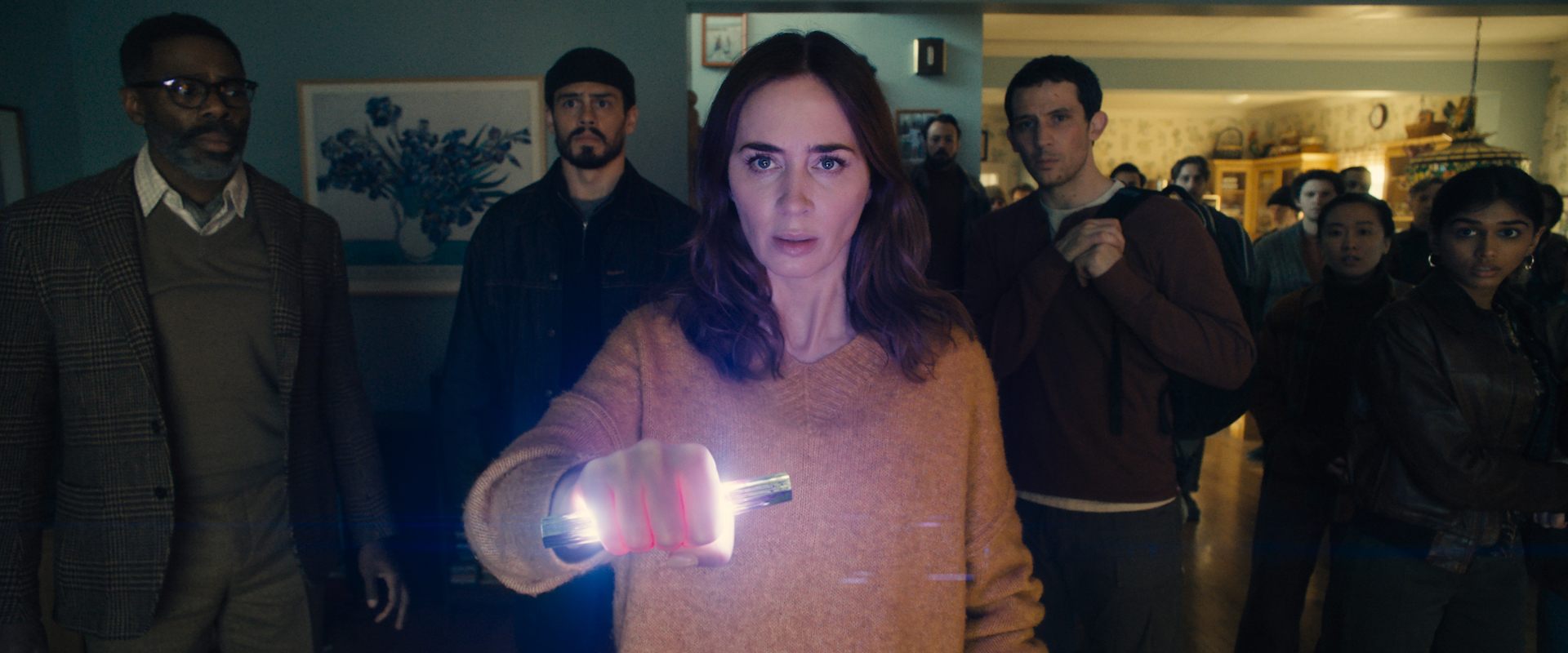
Disclosure Day (2026)
All will be disclosed.
After spending most of his career looking up at the stars, Steven Spielberg uses Disclosure Day to finally look back down at us. That might sound strange for a filmmaker whose career has already given cinema some of its most famous close encounters, extra-terrestrial friendships, tripod nightmares, and awe-struck children staring at things adults are too busy to understand. But this is not simply Spielberg returning to alien territory because the mothership has called him home. This is Spielberg, now in the later stage of his career, looking back at the films, fears and feelings that shaped him, while also looking ahead at where humanity could be heading if we keep searching for life beyond the stars but fail to recognise the humanity in each other. So yes, the truth is out there. But in typical Spielbergian fashion, the more important question is not whether we can handle aliens. It is whether we can handle each other.
The film follows Dr. Daniel Kellner (Josh O’Connor), a brilliant cybersecurity expert who has uncovered evidence that a powerful corporation known as Wardex has spent decades hiding the truth about extraterrestrial life. On the run with stolen information and a mysterious piece of alien technology, Daniel becomes the target of Wardex boss Noah Scanlon (Colin Firth), a cold corporate operator determined to keep humanity in the dark. Daniel’s escape also drags in his girlfriend Jane Blankenship (Eve Hewson), whose own past and religious background draw her deeper into the mystery as the chase intensifies.
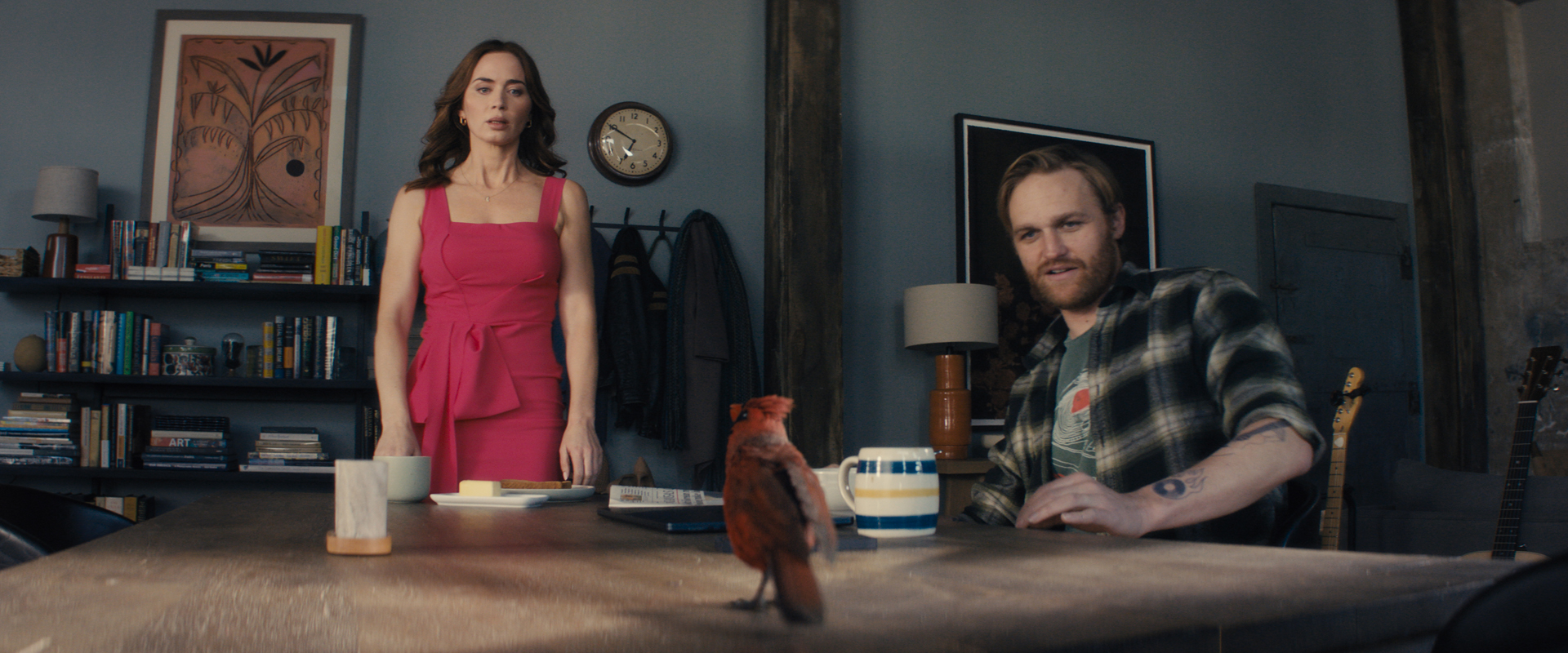
Close Encounters of the Feathered Kind.
Elsewhere, Margaret Fairchild (Emily Blunt), a Kansas City meteorologist, finds her ordinary life blown apart after a terrifying moment on live television, where she suddenly speaks in a language no one understands. What first appears to be an isolated incident soon reveals itself as something far stranger, pulling Margaret into the same conspiracy Daniel is trying to expose. Helping Daniel from the shadows is Hugo Wakefield (Colman Domingo), a Wardex defector determined to bring the truth into the open. As Daniel and Margaret’s separate paths begin to converge, they move closer to a revelation that could change humanity forever.
Margaret and Daniel may enter the story from opposite ends of the mystery, but Spielberg and screenwriter David Koepp are less interested in the machinery of the cover-up than in what that connection means. Their stories are not just puzzle pieces being pushed together for a third-act reveal. They are Spielberg’s way into the film’s bigger idea: that first contact is not only about looking up at the sky, but learning how to understand the person standing right in front of you. That also means Disclosure Day is not Spielberg doing a War of the Worlds-style sci-fi spectacle. Anyone going in expecting cities to explode, giant alien machines to attack the Earth, or mass destruction on a blockbuster scale may come away feeling like they boarded the wrong spaceship. This is a quieter, more reflective Spielberg effort, closer in spirit to Close Encounters of the Third Kind (1977), with a touch of E.T. the Extra-Terrestrial (1982), a splash of paranoid spy thriller, and that early 80s to early 90s texture where ordinary people are chased through extraordinary circumstances.
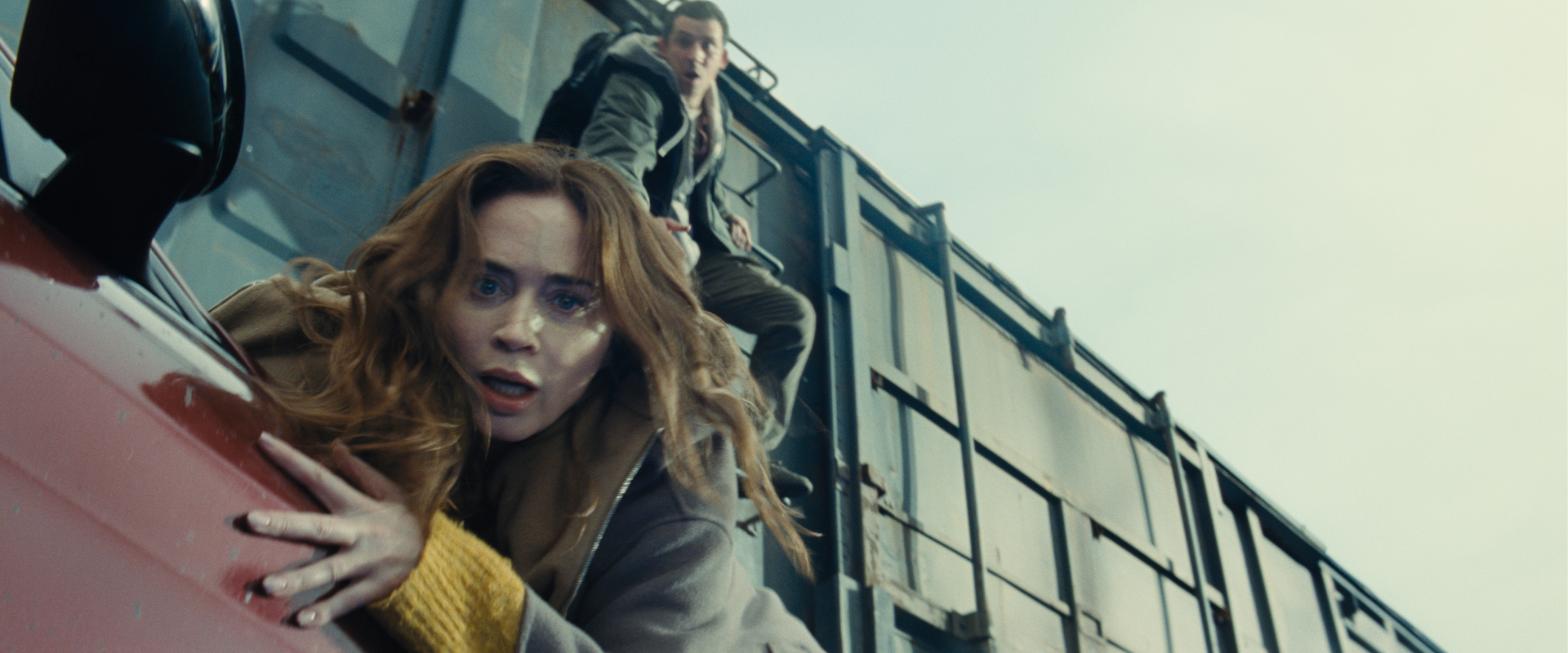
That chase-movie element is where Disclosure Day often comes alive. Spielberg has always understood movement, geography and tension better than almost anyone, and the picture is at its best whenever it stops explaining itself and starts running. There are a couple solid set-pieces here, including a terrific sequence involving a car stuck to a moving train, the sort of simple action idea Spielberg can still turn into something breathless, tense and expertly staged. Even when the picture gets a little tangled in its own internal logic, the filmmaking remains almost effortless. The man still knows where to put the camera.
Where Disclosure Day becomes shakier is in the screenplay. David Koepp is obviously no stranger to Spielberg spectacle, having worked with him on Jurassic Park (1993), The Lost World: Jurassic Park (1997), and War of the Worlds (2005), but the script sometimes feels like it has been rewritten so many times that the mystery has been sanded a little too smooth. The story hinges on a couple of major reveals, and while they are interesting in concept, they do not land with the force they should. There are also a few too many conveniences, particularly around the alien technology. The tech is interesting, and Spielberg gets plenty of visual and dramatic mileage out of it, but the screenplay never quite makes clear what it can and cannot do. At times it appears limited and dangerous; at others, its abilities bend a little too easily around the needs of the scene. Given Koepp reportedly worked through 42 drafts, some of that clunkiness really should have been ironed out.
Disclosure Day is at its best when it trusts emotion and imagery, because there is something strangely moving about Spielberg making something this sincere in 2026. This is an optimistic, sentimental and deeply humanist piece of science fiction. It’s not interested in malevolent extraterrestrials coming to conquer Earth. It’s not really about monsters in the sky. It’s about whether empathy can save us, whether knowledge can unite rather than destroy, and whether contact with something beyond ourselves might force humanity to become better. That might sound corny. It sometimes is. But it also feels completely honest. Spielberg has always been fascinated by fractured families, frightened children, lonely adults and people reaching for something bigger than the world in front of them. Here, aliens become less of a threat and more of a test. They expose humanity’s fear of the unknown, our instinct to hide the truth, and the fragile line between faith, panic and wonder.
Religious ideas also run through Disclosure Day in a way that is surprisingly earnest. Jane’s background gives the story a sense of faith, doubt and revelation, while the title itself carries a near-biblical weight. Disclosure is not just a leak, a broadcast or a press conference. It is an unveiling, the moment something hidden is finally dragged into the light. That may be why the final stretch works better as an emotional release than a conventional blockbuster finale. Spielberg does not build toward a giant effects showdown or a clean act of heroism where the world is saved in one simple move. Instead, the climax becomes about getting the truth out and trusting humanity with it. Daniel and Margaret’s mission to disclose what Wardex has buried gives the story a softer, more hopeful kind of tension, one built around communication rather than destruction. Some viewers may find that anticlimactic, especially after all the chase-movie momentum, but it also feels true to what Spielberg is reaching for here. The world is not fixed by firepower. It is given a chance by understanding.
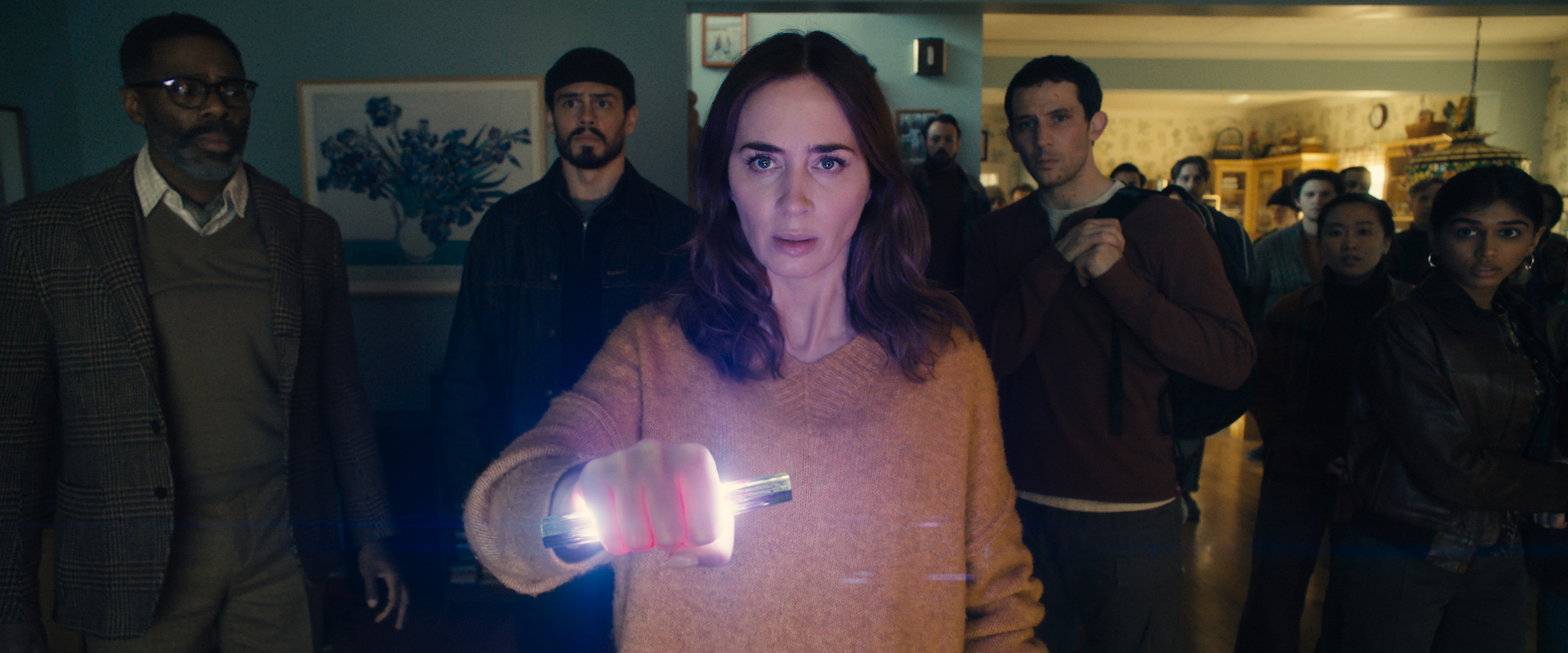
When the alien USB finishes loading.
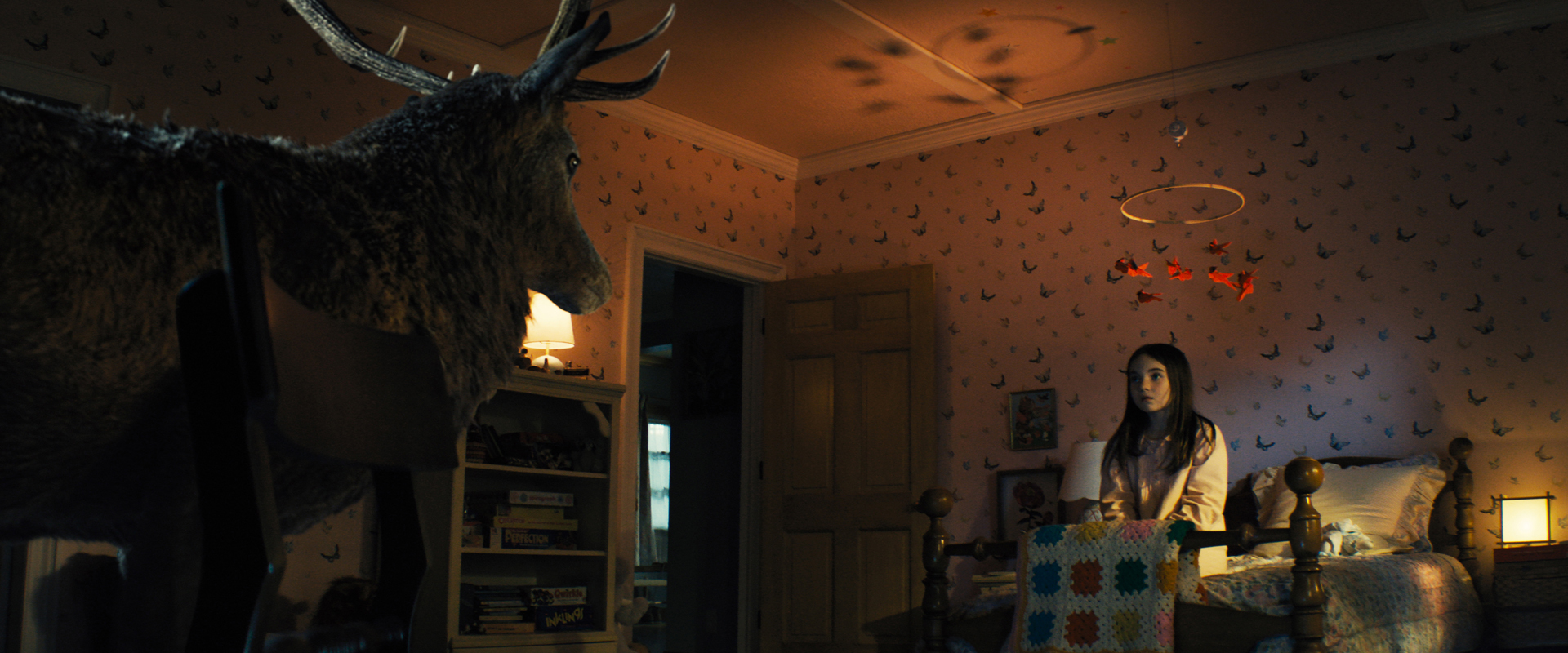
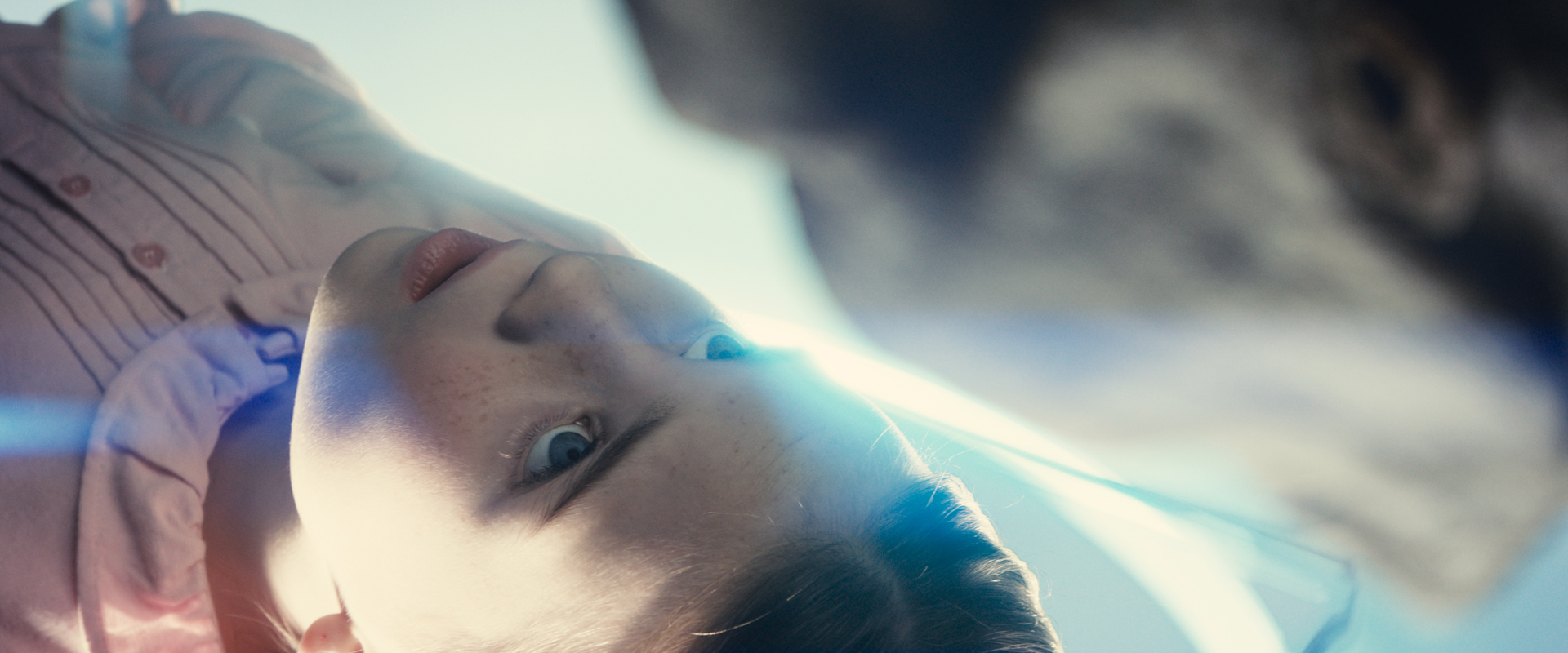
On a craft level, Disclosure Day still carries plenty of classic Spielberg DNA. Janusz Kamiński’s cinematography gives the story a handsome, slightly old-fashioned glow, with bursts of lens flare, watchful faces and sudden moments of stillness. Spielberg also gets some nice mileage out of animal imagery, using it as another sign that something strange has entered the atmosphere. Some of the effects work is more convincing than others, with the animal CGI occasionally standing out more than it should, but the picture still has scale and polish without tipping into empty spectacle. Marking his thirtieth collaboration with Spielberg, John Williams’ score is another strength. It does not simply recreate the majesty of Close Encounters or the warmth of E.T., but carries echoes of both without feeling like a copy. The music gives the chases momentum, the quieter scenes a sense of mystery, and the final stretch the emotional lift it needs. If Spielberg is asking us to believe, Williams is the one gently pushing us toward the light.
The cast is strong across the board, with Emily Blunt finding the right mix of warmth, humor and rattled disbelief in Margaret as her life suddenly becomes much bigger than weather reports and studio lights. Josh O’Connor is equally strong as Daniel, shaping him less as a standard whistleblower hero and more as a man buckling under the weight of what he knows. Colin Firth gives Scanlon a clipped control, making him more than a standard corporate villain in a suit. He is a polished antagonist without going cartoonish, and there is just enough humanity under the surface to make his obsession with secrecy feel dangerous rather than one-note. Eve Hewson also makes Jane more than just Daniel’s worried girlfriend, giving her a moral weight as someone caught in the middle of the chase and forced to consider what disclosure could actually mean for the world. Colman Domingo lends Wakefield his usual magnetic presence, helping the exposition-heavy sections land with conviction, and Wyatt Russell is a lot of fun as Jackson, Margaret’s bewildered boyfriend, adding some welcome humor and looseness to her side of the story. Everyone feels locked into the tone Spielberg is aiming for: serious, sincere, occasionally funny, and just a little wide-eyed.
First contact, zero personal space.
Disclosure Day is not a perfect Spielberg picture. It’s too clunky in places, too convenient in others, and some of its big revelations don’t land with the force they should. But it’s also thoughtful, beautifully made, surprisingly moving and filled with the kind of old-school cinematic wonder that few directors can still deliver without irony. This is not Spielberg trying to blow the roof off the multiplex. It’s Spielberg using science fiction to ask a gentler, more human question: what happens when the truth finally arrives, and are we decent enough to meet it? For all its flaws, Disclosure Day leaves behind something sincere and quietly hopeful. Spielberg is not just looking for life beyond the stars. He is wondering whether there is still enough light left in us to meet it.
3.5 / 5 – Great
Reviewed by Dan Cachia (Mr. Movie)
Disclosure Day is distributed by Universal Pictures Australia