By
By 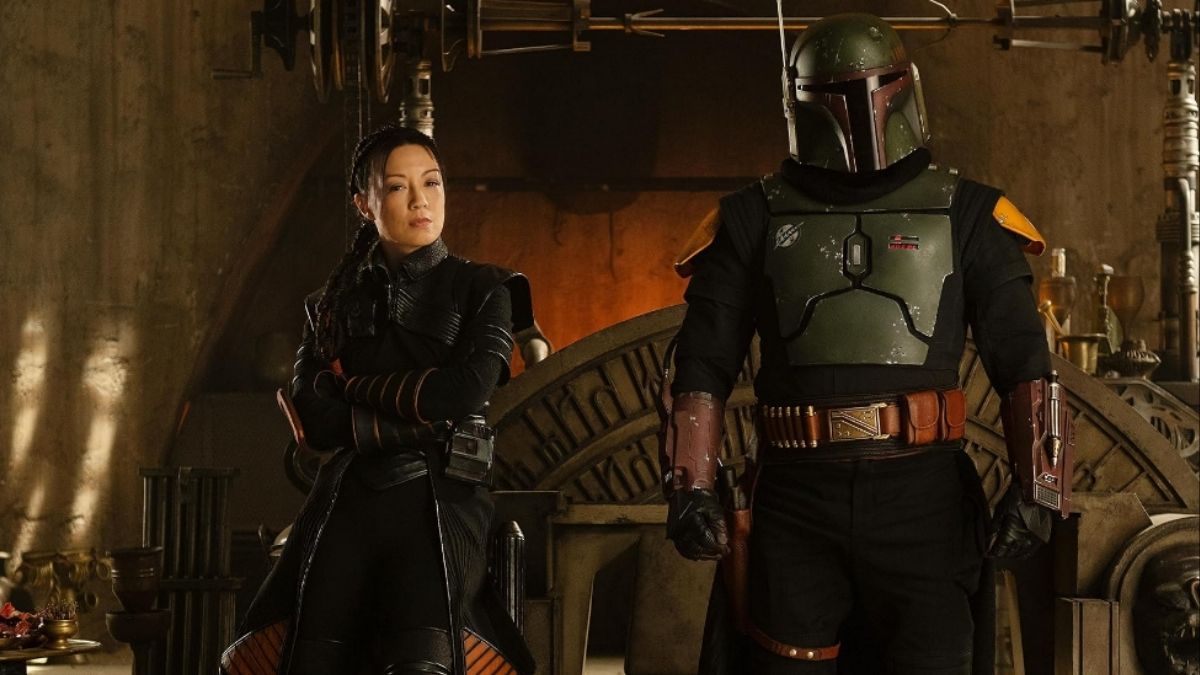
Entertainment products having deep lore is always a good thing, since there is a lot for audiences to enjoy. The problem comes when these pieces of media become so big, so convoluted, that you need long study sessions just to understand the basics.
This isn’t limited to any piece of media: movies, TV shows and even Video Games do this, with their narratives expanded to unexpected lengths. Here, we have just a few of the most egregious examples, so prepare yourself if you want to get into any of them.
IMDb
Halo 5: Guardians
Halo 5 drops players into a universe already packed with expanded lore from earlier games, novels, and character arcs, making parts of its conflict harder to fully appreciate without prior franchise knowledge.
IMDb
The Book of Boba Fett
The series works better if you already know Boba Fett from the original Star Wars films, then also follow major setup and overlapping character arcs from The Mandalorian.
IMDb
Dark Souls III
Its story heavily references earlier Souls titles through cryptic dialogue, repeated locations, and symbolic callbacks, leaving players to connect major lore threads with minimal direct explanation.
IMDb
Avengers: Endgame
Endgame pays off years of MCU storytelling, but its emotional weight depends heavily on understanding earlier Marvel films, recurring characters, and long-running Infinity Saga relationships.
IMDb
Scary Movie
Even parody works better with homework here. The franchise always leaned on viewers recognizing horror and pop-culture references, so the upcoming revival will likely carry baggage from both prior Scary Movie films and newer genre targets.
IMDb
The Hobbit: An Unexpected Journey
The Hobbit films stand alone, but much of their larger context is clearer if viewers already know Tolkien lore and how the trilogy connects backward into The Lord of the Rings.
YouTube/World of Warcraft
World of Warcraft
Warcraft lore stretches across strategy games, novels, expansions, and major events that are not always fully explained inside one campaign or questline, particularly when game patches outright remove content.
IMDb
Elden Ring
Its lore is deliberately fragmented across item descriptions, NPC dialogue, and environmental clues, pushing players to reconstruct major history from scattered details. Most players seek the aid of YouTubers in order to grasp the lore.
IMDb
Daredevil: Born Again
The show exists inside broader Marvel continuity while also reviving characters from Netflix’s Daredevil, making outside context especially useful for relationships, history, and returning conflicts.
IMDb
Deadpool & Wolverine
The film pulls heavily from Fox-era X-Men history, prior Deadpool movies, and multiverse-heavy Marvel storytelling, making many jokes and emotional beats more rewarding with franchise knowledge.
IMDb
Once Upon a Time
Its layered mythology mixes fairy tales, Disney-adjacent expectations, and constantly expanding crossover logic that becomes increasingly dense as more realms and histories overlap.
IMDb
Hannibal
The show can stand alone, but familiarity with earlier Hannibal Lecter films and Thomas Harris stories helps explain character expectations, reversals, and why certain narrative choices feel deliberate.
IMDb
Kingdom Hearts
Understanding Kingdom Hearts often means juggling Disney worlds, Square Enix influences, side games, prequels, and famously tangled lore spread across multiple platforms.
IMDb
Baldur’s Gate 3
You can follow its main story alone, but deeper context comes from Forgotten Realms history, Dungeons & Dragons rules, and older Baldur’s Gate connections.
IMDb
The Batman
Ironically, part of the homework is knowing what it is not. The Batman exists outside the main DC cinematic continuity, so understanding its standalone approach matters more than tracking shared-universe lore.
The post 15 Movies, Shows & Games With Excessive Extra Lore Study Required appeared first on Den of Geek.