By
By 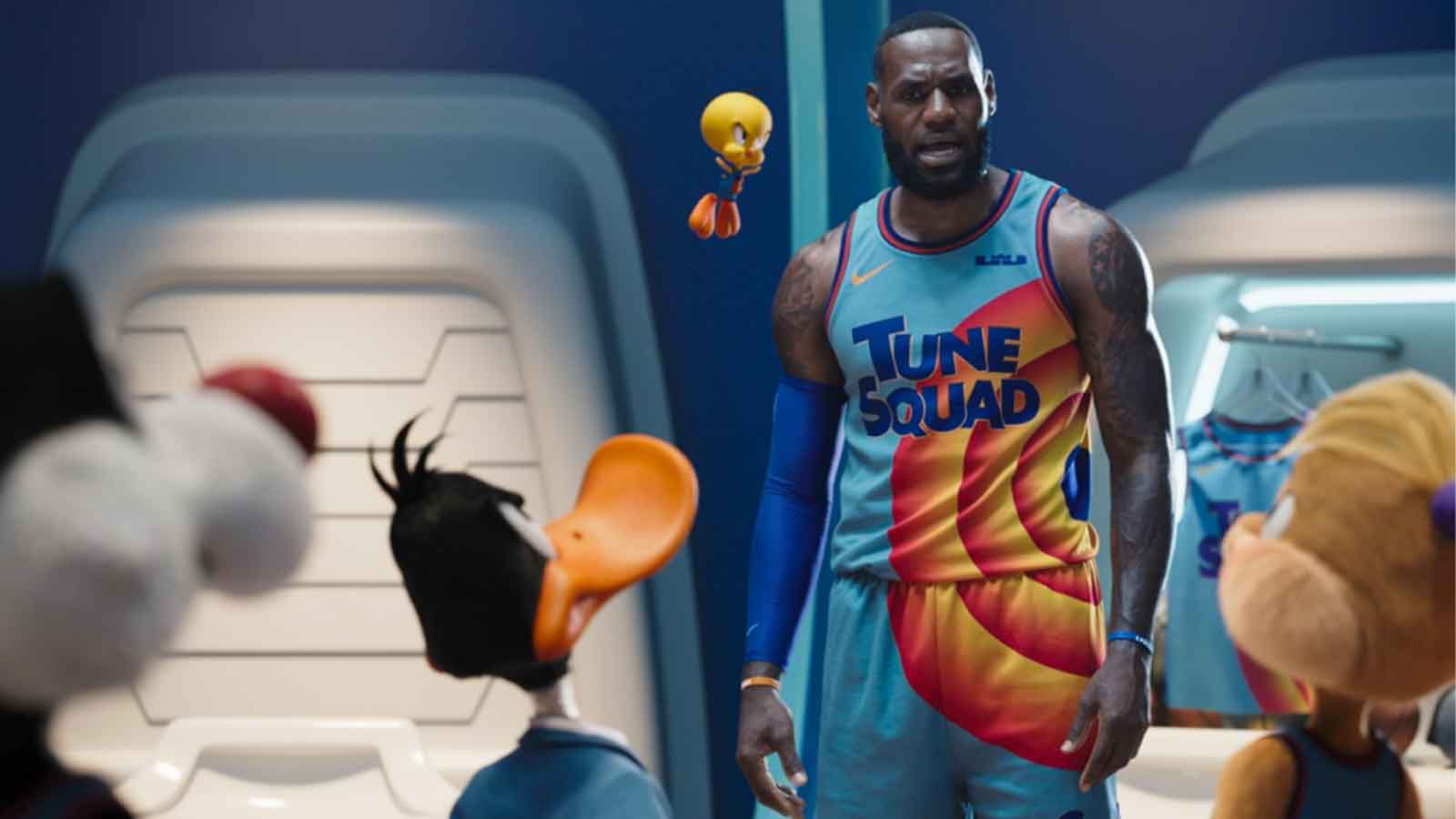
Making movies is both an art and a business, and not all movies manage a balance of the two. This is why independent films can take more risks than summer blockbusters can; the bigger the investment, the less experimental you want to get. But in most things we consume, we expect at least a minimum level of artistry involved.
Well, no artistry went into these following films. They were made with no real ideas beyond a popular name, following trends that produced money in the past. Sadly, that tends to work for certain products, but when the lack of effort is too blatant, audiences refuse to show up.
IMDb
Jaws: The Revenge
The fourth Jaws movie pushed the franchise into outright absurdity by suggesting a shark was somehow personally targeting the Brody family across the ocean.
IMDb
Son of the Mask
Made without Jim Carrey, the sequel attempted to continue the popularity of The Mask despite lacking nearly everything audiences actually loved about the original.
IMDb
Home Alone 4
The franchise reached obvious cash-grab territory once beloved characters were recast for a made-for-television sequel that barely resembled the original movies anymore.
IMDb
The Hangover Part III
Instead of another wild comedy adventure, the third film awkwardly transformed the franchise into a crime story while still relying heavily on audience familiarity with the brand.
IMDb
Transformers: The Last Knight
The movie spent enormous amounts of time setting up future sequels and spin-offs that audiences clearly were not interested in seeing by that point.
IMDb
Space Jam: A New Legacy
Rather than focusing on basketball or comedy, the sequel often felt like a giant corporate showcase for Warner Bros. intellectual property references and brand recognition.
IMDb
Fantastic Beasts: The Crimes of Grindelwald
The sequel buried itself in franchise mythology and future setup, creating a movie many viewers felt existed primarily to extend the Wizarding World brand indefinitely.
IMDb
Cars 2
Pixar shifted the franchise toward spy-action chaos and marketable side characters, leading many critics to argue the sequel mainly existed to sell more merchandise.
IMDb
Independence Day: Resurgence
Released twenty years after the original, the sequel heavily relied on nostalgia while failing to recapture the energy that made the first film a blockbuster phenomenon.
IMDb
Terminator Genisys
The movie aggressively recycled iconic moments from earlier Terminator films while simultaneously rebooting continuity in ways that confused even longtime franchise fans.
IMDb
Superbabies: Baby Geniuses 2
The sequel doubled down on talking babies and lowbrow jokes despite the original already being critically despised, creating one of Hollywood’s most baffling follow-ups.
IMDb
The Hobbit: The Battle of the Five Armies
Stretching a relatively short novel into three lengthy blockbusters left many audiences convinced the adaptation existed largely because of the massive success of The Lord of the Rings.
IMDb
Teenage Mutant Ninja Turtles III
The third movie abandoned much of the franchise’s charm and noticeably reduced production quality, yet still arrived quickly to capitalize on the turtles’ enormous popularity.
IMDb
Speed 2: Cruise Control
Replacing a speeding bus with a slow-moving cruise ship immediately signaled the sequel existed mostly because the studio wanted another recognizable Speed movie.
IMDb
The Lion King
Disney’s photorealistic remake closely recreated the animated original scene-for-scene, leading many viewers to question whether the project existed for artistic reasons at all.
The post 15 of Cinema’s Most Shameless Cash Grabs appeared first on Den of Geek.