By
By 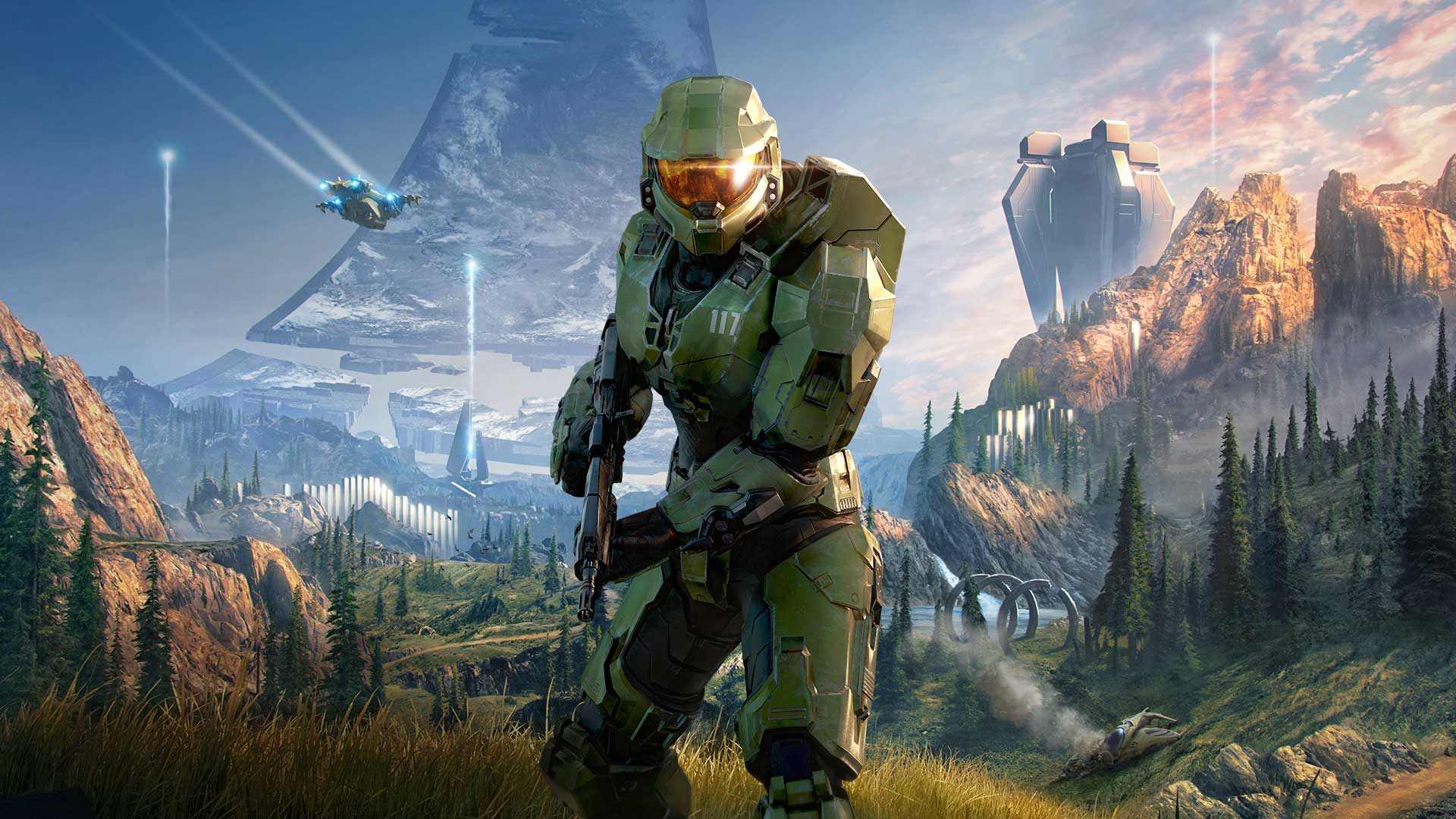
When we think of video games, we often think of titles that start and end, not unlike a show or a movie. But live-service games offer a different kind of experience, one that tries to go on forever. Fortnite and Marvel Rivals know how to capitalize such an ecosystem, and even if they ever shut down, they would still be considered successful.
That isn’t the fate of all live-service games, since players might have the money, but they don’t have the time to play every game in existence. Without an audience, there is no game, so this are the experiences that tried to compete with the multiplayer juggernauts, and failed almost immediately.
IMDb
Concord
Sony positioned Concord as a major live-service multiplayer franchise, but weak player numbers and poor engagement caused the hero shooter to collapse almost immediately after launch.
IMDb
Forza Motorsport
Microsoft promoted the reboot as a long-term racing platform, yet technical complaints, progression frustrations, and declining player interest quickly hurt enthusiasm surrounding the supposedly evolving service model.
IMDb
Halo Infinite
Halo Infinite launched with enormous expectations as a decade-long platform for the franchise, but missing features, slow updates, and declining player counts severely damaged that ambition early.
YouTube/GameSpot Trailers
Hyenas
Sega and Creative Assembly spent years developing Hyenas as a major multiplayer live-service title before canceling it entirely shortly before release amid wider industry restructuring.
IMDb
Anthem
BioWare envisioned Anthem as a constantly expanding online universe, but repetitive missions, technical issues, and disappointing post-launch support caused the ambitious shooter to rapidly lose momentum.
IMDb
Babylon’s Fall
Square Enix designed Babylon’s Fall around long-term cooperative updates and seasonal content, yet disastrous reception led to servers shutting down barely a year after release.
IMDb
Marvel’s Avengers
The game was clearly built for years of evolving live-service content, but repetitive gameplay and weak player retention caused support to quietly wind down much sooner than expected.
IMDb
LawBreakers
Cliff Bleszinski promoted LawBreakers as a major competitive shooter, but the game struggled to attract enough players and disappeared quickly despite strong reviews from some critics.
IMDb
Battleborn
Gearbox attempted to launch Battleborn as a massive long-term multiplayer franchise, but unfortunate timing beside Overwatch caused the game’s audience to evaporate almost instantly.
IMDb
Suicide Squad: Kill the Justice League
Rocksteady planned ongoing seasonal support and expanding content, but disappointing player engagement and backlash toward the live-service structure heavily damaged the game shortly after release.
YouTube/PlayStation
Spellbreak
The magic-focused battle royale introduced creative mechanics and long-term plans for expansion, but player numbers steadily declined until servers eventually shut down completely.
IMDb
Knockout City
Electronic Arts pushed the dodgeball multiplayer game as a lasting competitive experience, but despite strong early attention, the player base faded rapidly within a relatively short time.
Redfall
Arkane’s vampire shooter was clearly structured around ongoing cooperative support and future content, yet disastrous reviews and technical criticism destroyed excitement almost immediately after release.
YouTube/PlayCrucible
Crucible
Amazon intended Crucible to compete in the live-service multiplayer market, but disastrous reception led the company to pull the game back into beta before canceling it entirely.
YouTube/GameSpot
Evolve
Evolve launched with huge expectations for years of asymmetric multiplayer growth, but controversial monetization and rapidly shrinking player numbers crippled the game’s long-term future.
The post 15 Games That Were Designed to Last Forever but Died Immediately Instead appeared first on Den of Geek.