By
By 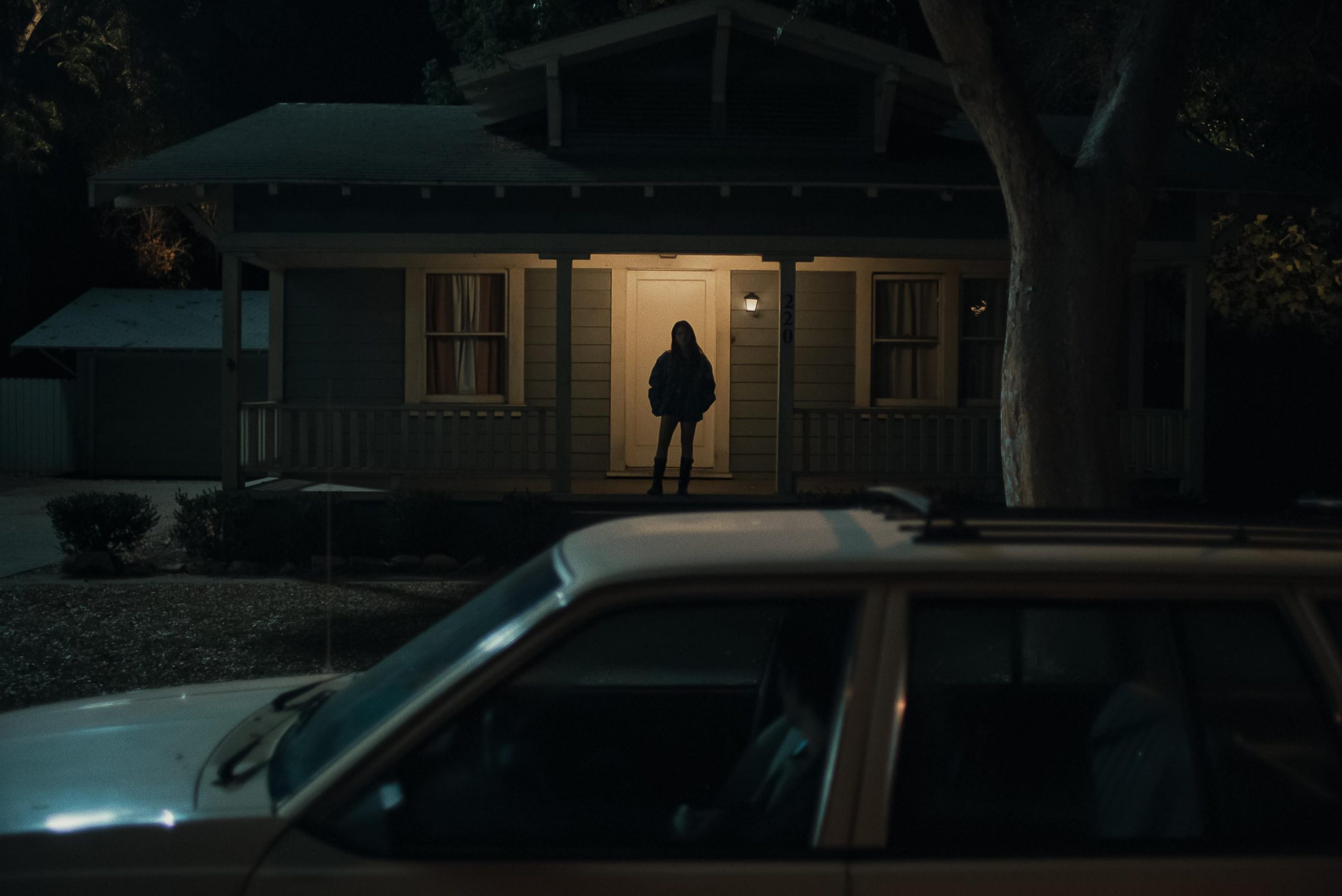
Obsession (2025)
Be careful who you wish for…
Curry Barker’s Obsession doesn’t just announce a major new horror voice — it grabs the genre by the throat and drags it screaming into deeply uncomfortable territory. Following the viral success of his microbudget breakout Milk & Serial (2024), writer-director Curry Barker returns with something darker, sadder and far more psychologically tangled. This is horror built from loneliness, desperation and emotional rot — a supernatural nightmare wrapped around the kind of yearning that can quietly destroy people from the inside out. Barker’s online work has showcased his talent for balancing dark humor with mounting unease, but Obsession pushes that skillset into far more disturbing territory. In a genre landscape crowded with jump scares and disposable “elevated horror” clones, Obsession feels dangerous again.
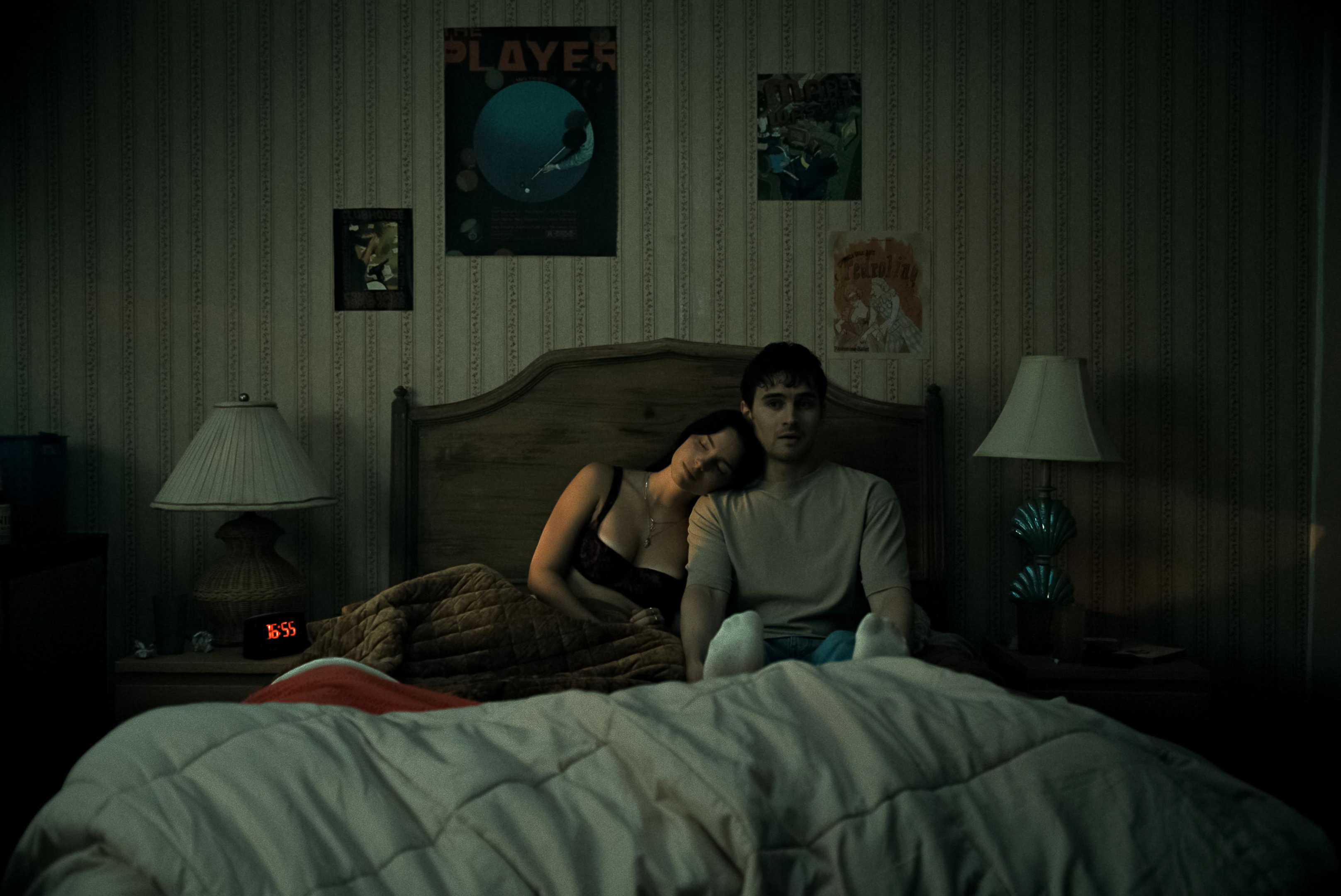
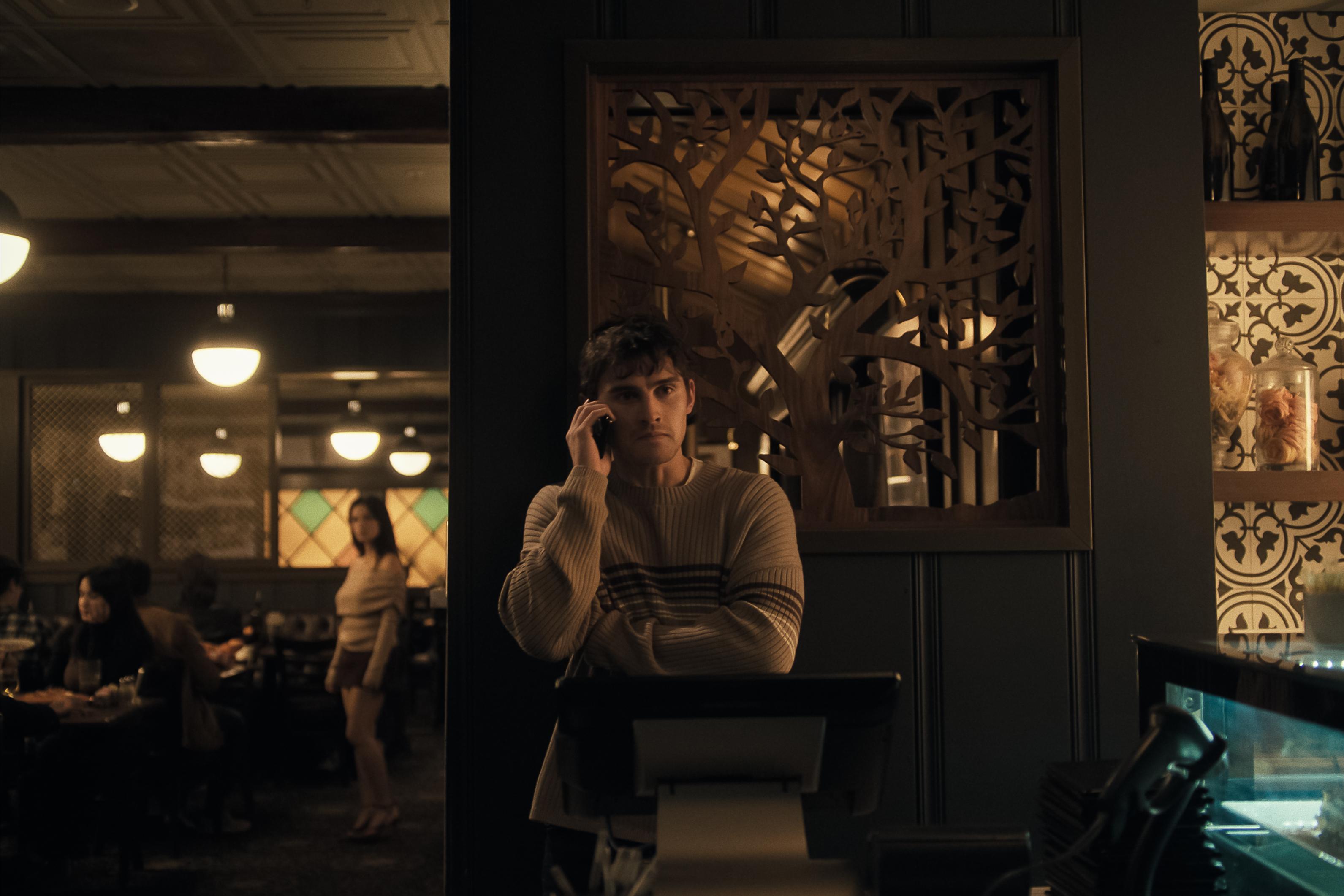
Bear (Michael Johnston) works at a music store alongside Nikki Freeman (Inde Navarrette), his childhood friend and longtime crush. But Bear is trapped in a painfully recognizable cycle of hesitation. He loves Nikki deeply, yet lacks the courage to tell her how he truly feels, terrified that honesty could destroy the friendship altogether. After buying an ‘80s-style novelty stick called the “One Wish Willow” from an antique gift shop, Bear makes a single desperate wish: for Nikki to love him more than anyone in the entire world. At first, the fantasy feels like a dream come true. Nikki suddenly becomes intensely affectionate, devoted and inseparable. But Barker slowly begins tightening the screws. Nikki’s love mutates into something possessive, terrifying and deeply unnatural, while Bear realizes the horrifying truth behind getting exactly what he thought he wanted. Things get ugly fast from there.
What makes the descent even more unsettling is how funny parts of it initially are. Barker has a sharp eye for awkward social comedy, and several early scenes play like painfully relatable cringe humor before slowly curdling into something far darker. Obsession works so well because Barker refuses to treat the premise like a simple cursed-object gimmick. Underneath the supernatural setup sits something genuinely upsetting. The story dives headfirst into thorny territory involving consent, autonomy, codependency and romantic entitlement. Obsession takes what could have been a pulpy “be careful what you wish for” setup and twists it into something psychologically messy and very uncomfortable. Even more unnerving is the way the story refuses to offer easy answers. There’s no clean moral lecture here. Instead, the film throws audiences into a slow-motion disaster where love, entitlement, loneliness and romantic idealization become impossible to untangle cleanly. The result is a horror experience that feels queasy in all the right ways, constantly forcing the audience to sit with implications that become more disturbing the longer the story unfolds.
Bear himself becomes one of the most fascinating horror protagonists in years because Johnston plays him with genuine vulnerability rather than portraying him as a straightforward creep. Bear isn’t written as some snarling incel caricature; he’s a confused, isolated young man who mistakes closeness for romantic inevitability. The tragedy is that Nikki genuinely cares for him — just not in the way he desperately wants her to. Barker smartly explores how unresolved longing and dependency can quietly poison a relationship without either person fully recognizing it. Once the wish corrupts Nikki’s agency, Bear finally gets the fantasy he believed would complete him, only to discover that forced affection immediately becomes horrifying.
That thematic layer is where Obsession truly ascends into something special. At its core, the story becomes a nightmare about control disguised as romance. Nikki’s transformation gradually turns her into a reflection of Bear’s neediness, as though something wicked has begun hollowing her out from the inside. The horror doesn’t simply come from violence or supernatural imagery; it comes from watching a human being lose personhood in real time. The more Nikki loves Bear, the less Nikki actually exists. It’s a brutal metaphor for toxic codependency, consuming attachment and the selfishness buried inside idealized romance fantasies.
Paranormal girlfriend activity.
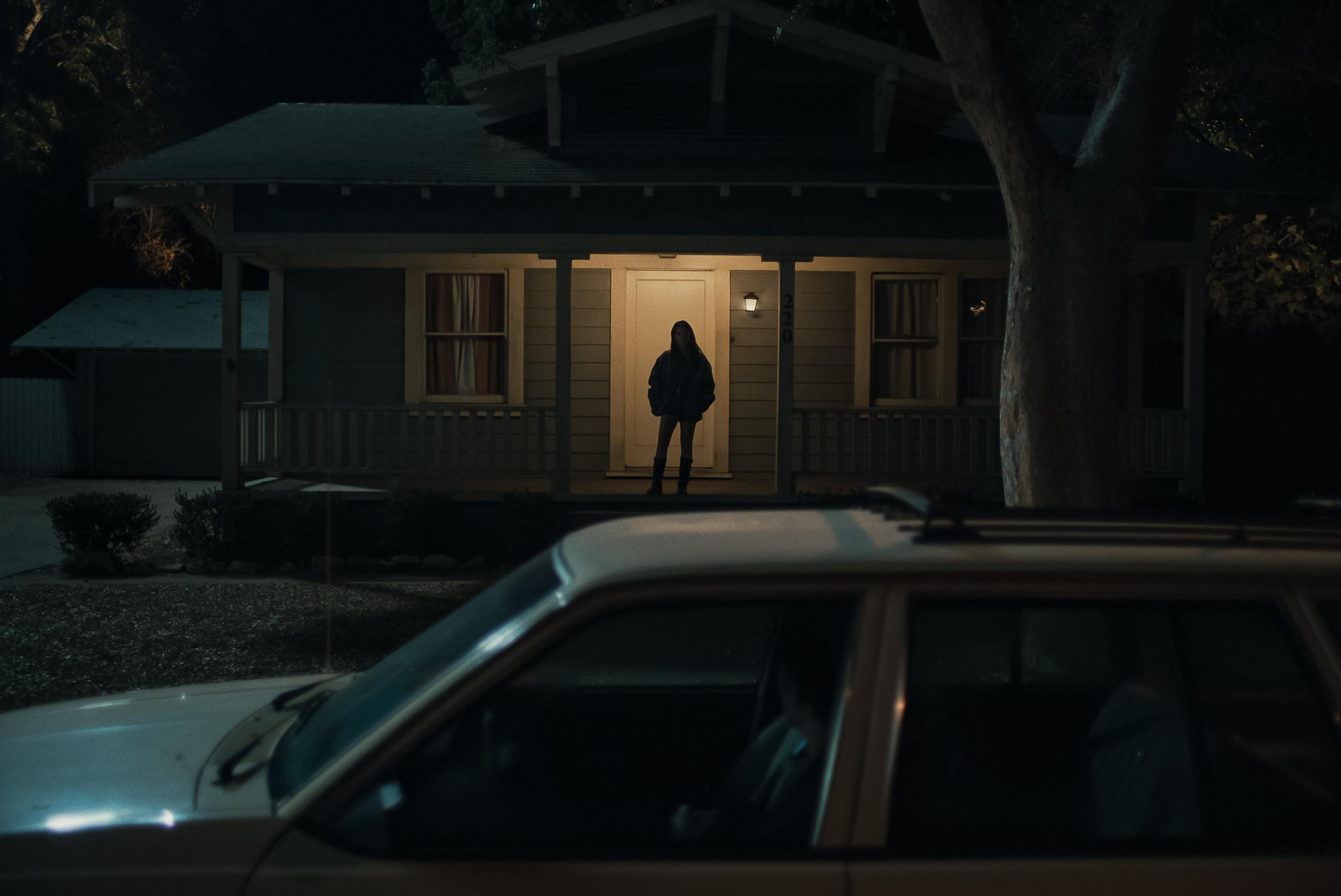
And yes — this thing is terrifying. Not “fun spooky Friday night” terrifying. Properly skin-crawling terrifying. The horror escalates with a suffocating sense of dread, constantly trapping the audience inside Bear’s deteriorating mental state. Nikki’s increasingly erratic behavior — the sudden screaming fits, distorted vocal shifts, night-time lurking and violent outbursts — create an atmosphere where every scene feels unpredictable. Barker understands that horror imagery lands harder when paired with recognizable human vulnerability, and the result is a work that can feel genuinely triggering in places.
Several sequences are outright nightmare fuel, particularly the moments where Nikki appears to be fighting against whatever wicked force the “One Wish Willow” has unleashed inside her. One especially disturbing sequence involving Bear calling the “One Wish Willow” hotline slowly shifts from dark comedy into pure psychological horror. The scene takes a startling turn once Bear hears what sounds like the real Nikki trapped somewhere beneath the obsession, screaming in agony. It’s the kind of moment that crawls under the skin and stays there. Later, bursts of grotesque violence and body horror push the material into genuinely harrowing territory, but the narrative also weaponizes intimacy itself; even simple romantic scenes become queasy and oppressive once Nikki’s affection mutates into total possession. Some of the most uncomfortable moments don’t involve violence at all — just the unbearable feeling of watching somebody slowly disappear behind the face of the person Bear thought he wanted.
Technically, Obsession delivers astonishing work given its relatively lean production. Taylor Clemons’ cinematography frequently frames characters with awkward negative space, creating an eerie sense of isolation even during intimate scenes. The sound design deserves enormous praise too. Nikki’s increasingly distorted vocal shifts, unstable breathing and sudden emotional outbursts become deeply unnerving long before outright violence even begins. Barker also knows precisely when to unleash brutality. When the carnage finally erupts, it hits with ugly, shocking force rather than crowd-pleasing slickness. The violence is less designed to entertain than to leave the audience squirming in discomfort.
Then there’s Inde Navarrette. This is the kind of genre performance that launches careers. Navarrette delivers one of the most physically and emotionally demanding horror performances in recent memory, constantly shifting Nikki between warmth, vulnerability, obsession, terror and something increasingly inhuman. The transformation never feels theatrical or campy. Instead, it becomes horrifying precisely because fragments of the original Nikki remain visible underneath the nightmare. Her body language alone sells the transformation — the way affection slowly mutates into predatory attachment through posture, eye contact and vocal cadence. There are scenes here that recall some of horror’s most memorable possession performances, yet Navarrette still keeps Nikki heartbreakingly human throughout. It’s a sensational piece of work and easily one of the stronger horror performances of the decade so far.
Michael Johnston is equally important to the story’s success. Bear could have easily become intolerable in lesser hands, but Johnston grounds him in insecurity and confusion rather than outright malice. The supporting cast also help flesh out the world surrounding the central nightmare. Cooper Tomlinson brings an easy, cocky charm as Ian, Bear’s socially confident close friend and co-worker, while Megan Lawless adds genuine warmth as Sarah, the music store owner’s daughter, who quietly harbors feelings for Bear while trying to move forward with her own future and college ambitions. Together, the supporting performances help anchor the film’s supernatural nightmare in believable human stakes, while the story wisely keeps its primary focus locked tightly on Bear and Nikki’s relationship.
Obsession isn’t merely another supernatural horror story. It’s a vicious exploration of romantic fantasy curdling into psychological imprisonment. Curry Barker has crafted something bleak, provocative, frightening and emotionally ugly in ways that feel genuinely unsettling. More importantly, the film understands the golden rule of great horror: the monster only matters if the emotional damage underneath feels real. That’s what makes Obsession linger. Beneath the possession imagery and escalating violence sits a painfully human story about loneliness, control and the desire to be loved at any cost. The result is one of the year’s most disturbing horror films — not simply because of what it shows, but because of what it understands. Be careful what gets wished for… because Obsession is difficult to shake.
5 / 5 – Don’t Miss!
Reviewed by Dan Cachia (Mr. Movie)
Obsession is distributed by Rialto Distribution