By
By 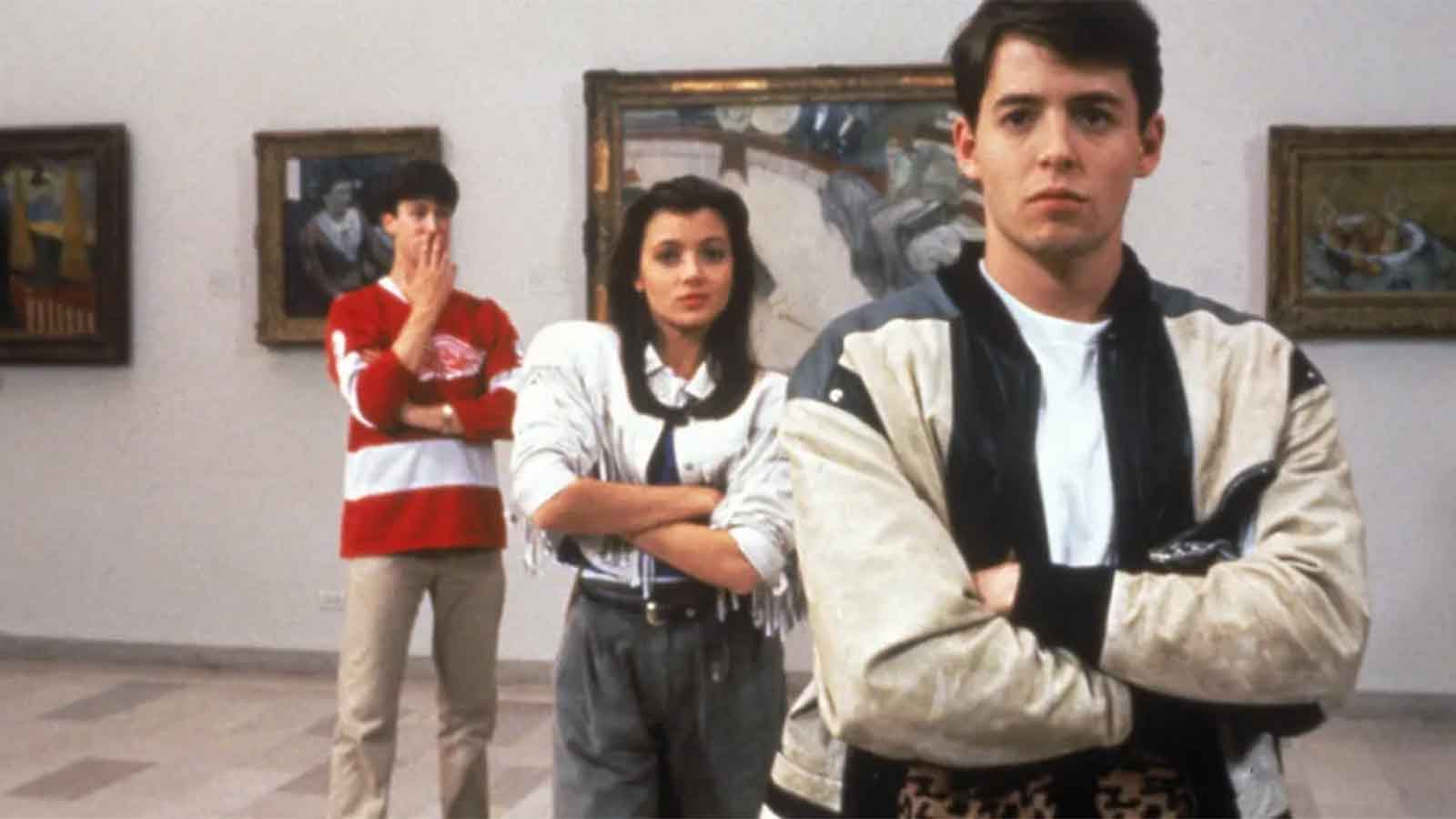
Film history is often told through its most famous milestones, but much of what shaped cinema occurred in less well-documented ways. Behind major releases, there are production decisions, technical limitations, casting changes, and editing choices that alter outcomes in unexpected directions. Some of these details were unknown to audiences at the time, while others were overlooked despite their influence on the final films. The following facts highlight moments from different eras where small decisions or accidents left a lasting mark on how movies were ultimately made.
Trainspotting
Some scenes were shot in real urban environments with minimal control over background activity, adding realism.
Amélie
The visual style relied heavily on controlled colour grading and practical set design rather than digital enhancement.
Die Hard
Bruce Willis was not the original choice for the lead role, which was initially envisioned for a more traditional action star.
E.T. the Extra-Terrestrial
The alien puppet design was kept secret from most of the child actors to capture genuine emotional reactions.
Ferris Bueller’s Day Off
Many of the improvised street sequences were filmed without full public closure, relying on spontaneous reactions from real crowds.
Forrest Gump
Digital effects were used to insert the protagonist into historical footage, a technique still relatively new at the time.
Ghostbusters
The film’s concept went through multiple studio rejections before being greenlit, despite its now-iconic status.
Gladiator
Several arena scenes were reconstructed digitally after initial sets were destroyed or deemed unusable.
Million Dollar Baby
Training for boxing scenes involved months of physical preparation and real sparring sessions.
No Country for Old Men
The film famously uses minimal musical score, relying instead on ambient sound design to build tension.
Raging Bull
Robert De Niro trained as an actual boxer and gained significant weight for later scenes, pushing physical transformation methods in acting.
Reservoir Dogs
The film was shot on a very low budget, with several key scenes relying heavily on dialogue rather than action.
Se7en
The film’s ending was kept highly confidential, even within parts of the production team, to preserve its impact
Taxi Driver
The film was shot in extreme heat conditions in New York, and some scenes were filmed with minimal permits, giving it a raw, uncontrolled urban texture.
Terminator 2: Judgment Day
The liquid metal effects required groundbreaking early CGI combined with physical models to achieve realism.
The Bourne Identity
The shaky camera style was a deliberate choice to create realism in action sequences.
The Breakfast Club
The entire film was shot on a single set over a very short schedule, creating unusually tight production dynamics.
The Lion King
The production initially struggled to balance anthropomorphic storytelling with realistic animal behavior studies.
The Sixth Sense
The twist ending was carefully protected during production and marketing to avoid early audience discovery.
The Truman Show
The artificial town set was constructed as a fully functioning environment designed to be filmed from multiple hidden angles.
The post 20 Movie History Facts Even the Nerds Might Not Know appeared first on Den of Geek.