By
By 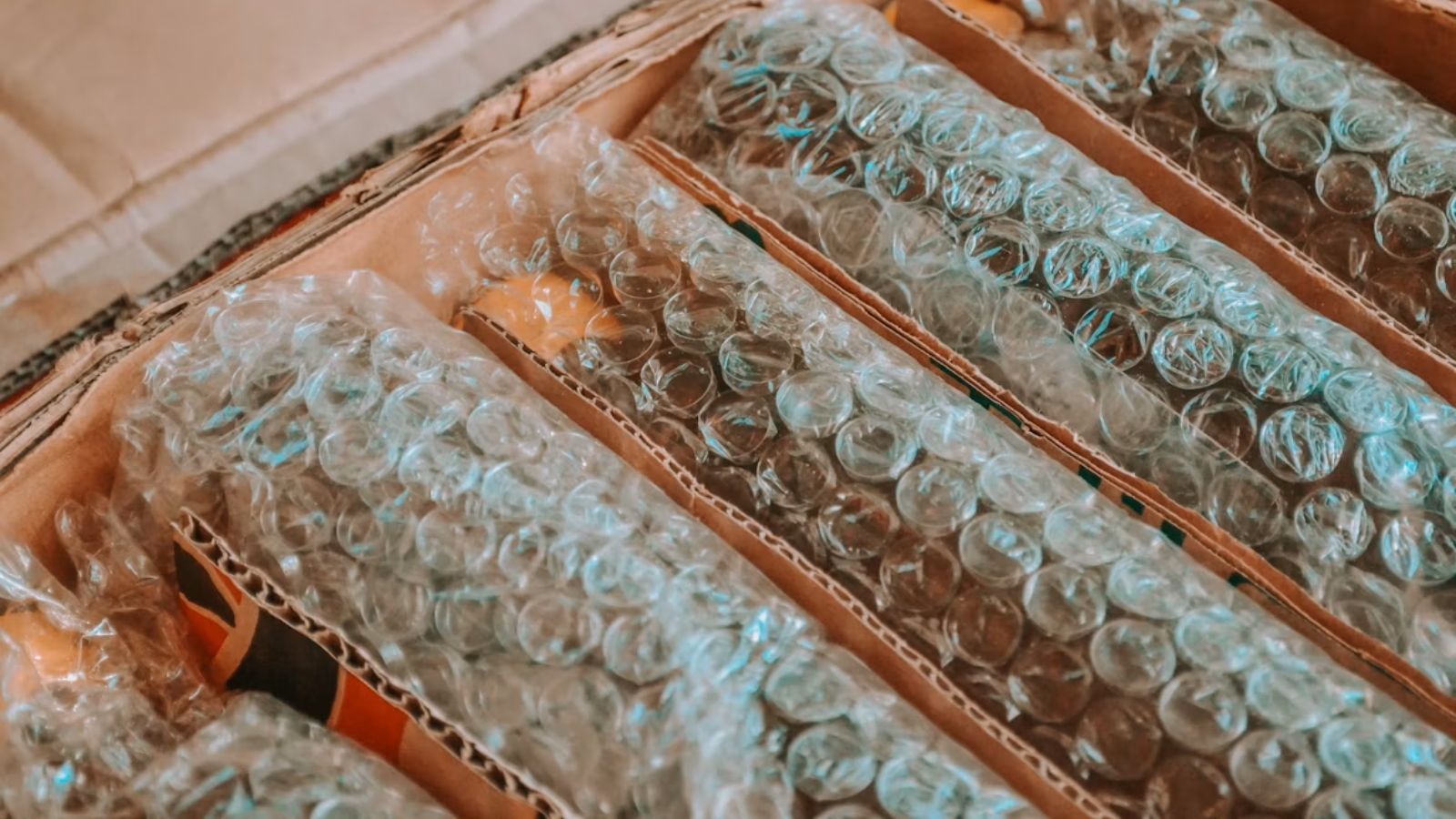
Some products seem so perfectly suited to their jobs that it is hard to imagine anyone ever using them for something else. Their inventors, however, did not always have the final use in mind. A children’s toy started out cleaning dirty walls, a familiar household spray was developed for aerospace equipment, and one of the most recognizable tissues was originally sold as a beauty product. Sometimes consumers discovered a better use themselves, while other inventions simply failed at their original jobs and found unexpected second lives. A few of those detours eventually created products far more successful than anyone initially planned. Here are 15 products that were invented for a completely different purpose.
©Unsplash
Bubble Wrap
Engineers Alfred Fielding and Marc Chavannes originally created their bubbly plastic material while trying to develop textured wallpaper in the 1950s. That idea never caught on, but the material eventually found a much better job protecting fragile packages.
©Unsplash
Play-Doh
The soft compound that became Play-Doh was originally manufactured to remove soot from wallpaper. When cleaner home heating reduced demand for the product, its potential as a children’s modeling material gave it an entirely new life.
©Unsplash
Listerine
Listerine was developed in the 19th century as an antiseptic and was initially associated with surgical and medical uses. It was only later that the product became best known as an everyday mouthwash.
©Unsplash
Kleenex
When Kleenex debuted in 1924, it was marketed as a convenient way to remove cold cream and cosmetics. Consumers increasingly used the tissues as disposable handkerchiefs, and the company eventually changed its marketing to match.
©Unsplash
Kotex
The absorbent material behind Kotex had previously been used by Kimberly-Clark for products including surgical dressings during World War I. After the war, the technology was adapted into one of the first widely marketed disposable sanitary pads.
©Unsplash
WD-40
WD-40’s first major job was protecting the outer skin of Atlas missiles from rust and corrosion. Workers discovered that the formula was useful at home too, helping turn an aerospace solution into a household staple.
©Unsplash
Super Glue
Cyanoacrylate was discovered while researchers were trying to develop clear plastic materials for gun sights during World War II. Its tendency to stick to practically everything made it unsuitable then, but that same property eventually became its biggest selling point.
©Unsplash
Silly Putty
The strange, stretchy material that became Silly Putty emerged from wartime research into possible substitutes for natural rubber. It did not solve the rubber shortage, but its unusual properties made it an ideal novelty toy.
©Unsplash
Slinky
Engineer Richard James was working with springs while developing a system intended to stabilize sensitive equipment aboard ships. After watching a spring tumble in an unusual way, he realized the basic idea could become a toy.
©Unsplash
Post-it Notes
3M scientist Spencer Silver was trying to develop adhesives when he created one that was unusually weak and could be reused. Years later, colleague Art Fry realized it was perfect for keeping paper bookmarks in place without damaging the pages.
©Unsplash
Saccharin
Saccharin was discovered in 1879 during research involving coal-tar derivatives, not during an attempt to create a sugar substitute. Chemist Constantin Fahlberg noticed the unexpectedly sweet taste and recognized its commercial potential.
©Unsplash
Minoxidil
Minoxidil was initially used as an oral medication for severe high blood pressure. When excessive hair growth appeared as a side effect, researchers eventually turned that unexpected result into a treatment for hair loss.
©Unsplash
Botox
Botulinum toxin entered modern medicine as a treatment for conditions involving overactive muscles, including certain eye disorders. Its ability to temporarily soften facial wrinkles was noticed later, leading to the cosmetic use most people now associate with Botox.
©Unsplash
Coca-Cola
John Pemberton created Coca-Cola in the 1880s during an era when patent medicines and tonics promising various health benefits were enormously popular. What began with medicinal claims gradually evolved into one of the world’s most recognizable soft drinks.
©Unsplash
The Chainsaw
The distant ancestor of today’s chainsaw was a small hand-cranked surgical instrument designed to cut bone. Later inventors adapted the chain-cutting principle into much larger machines for forestry, creating the tool we recognize today.
The post 15 Products That Were Invented for a Completely Different Purpose appeared first on Den of Geek.