By
By 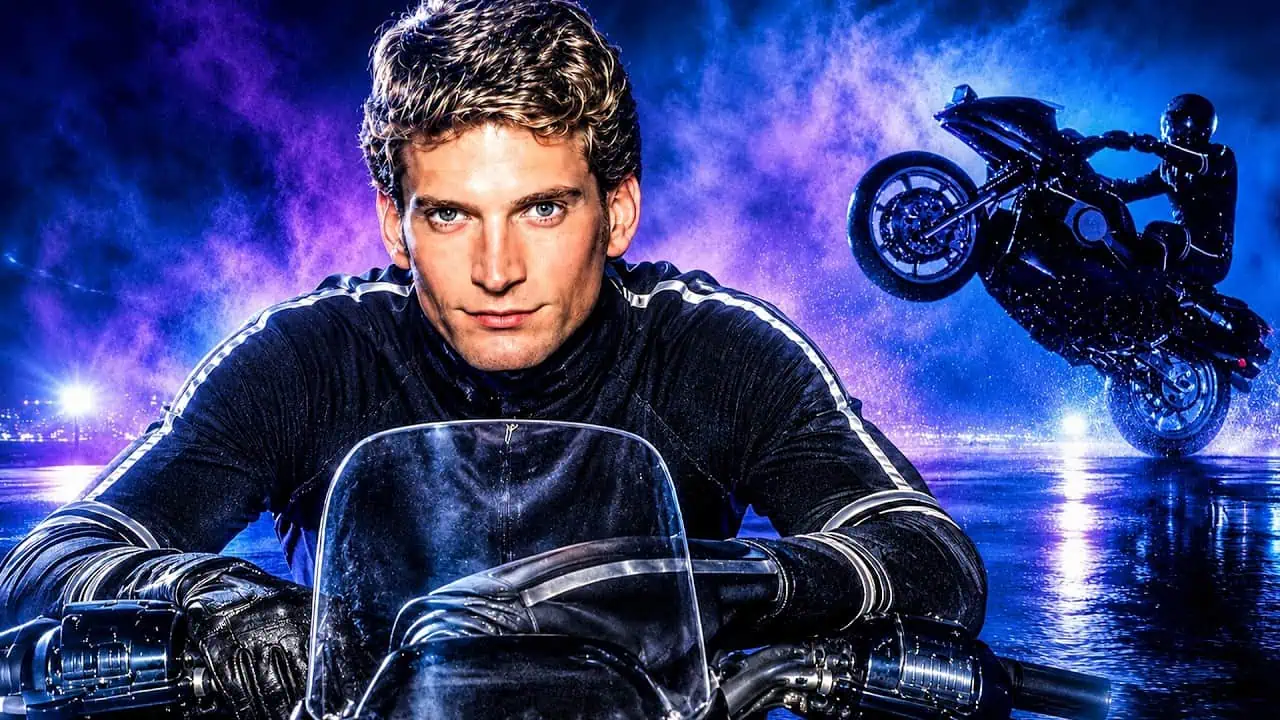
In 1985, Universal poured millions into a futuristic super-motorcycle series that was supposed to become the next Knight Rider. Instead, Street Hawk crashed and burned after just thirteen episodes.
Behind the scenes, the production became a battlefield. Why did the network turn down an unknown actor who would later become one of Hollywood’s biggest stars? What reckless decision led to a disastrous explosion and stripped the show’s creators of their power? And how did the producers brought in to save the series create even more chaos?
The truth involves studio panic, shattered fiberglass, dangerous production decisions, and a television show that may have had a better chance of success than its short run suggests. So settle in, put on your helmet, and let’s find out what happened to Street Hawk.
The Origins of Street Hawk
The origins of Street Hawk began with television producer Bruce Lansbury. He was already a respected figure in television, particularly in science fiction and action programming. Over the years, he worked on shows including The Wild Wild West, Mission: Impossible, Buck Rogers in the 25th Century, and Wonder Woman. Decades of successful productions earned Lansbury considerable studio trust, allowing him to take creative risks and occasionally step in to rescue troubled shows.
Fun fact: Bruce’s sister was the legendary Angela Lansbury. He would later produce another massive television success with her, Murder, She Wrote.
At the time, television was dominated by two major vehicle-based action series: Knight Rider and Airwolf. Lansbury saw an opportunity. There was already a show about a high-tech car. There was already a show about a high-tech helicopter. So the next logical choice? A motorcycle.
This is where writers Paul M. Belous and Robert Wolterstorff, the actual creators of Street Hawk, entered the picture. The two had been working together since the late 1970s, writing episodes of successful series including The Jeffersons, Good Times, and The Incredible Hulk. Their partnership demonstrated that they could handle character dynamics and action, and they were brought in to turn the broad concept of a motorcycle version of Knight Rider into an actual series.
Their premise followed Jesse Mach, a motorcycle cop whose life changes after a drug lord kills his best friend and leaves Jesse injured. The injury gives Jesse a permanent limp and ends his career as a field officer. He is reassigned to a public relations position before being recruited by a government agency to test an experimental super-motorcycle called Street Hawk. After undergoing experimental surgery to repair his leg, Jesse dons a leather jumpsuit and, alongside Street Hawk’s inventor Norman Tuttle, uses the motorcycle to fight crime from a secret headquarters.
Universal approved the concept and took it to ABC, which quickly picked up the series. Almost immediately, things began to go wrong.
From Falconer to Street Hawk
Belous and Wolterstorff originally proposed the title Falconer for both the series and its motorcycle. ABC rejected it. By the mid-1980s, Hollywood had developed something of a formula for naming futuristic vehicles. The trend had been popularized by Blue Thunder. Its name combined the vehicle’s territory, the blue sky, with something aggressive and powerful: thunder. Then came Airwolf. The formula was simple. For Street Hawk, the motorcycle’s domain was the street. The aggressive element? A hawk. Compared to what came next, however, the name was the least of the creators’ problems.
ABC Wanted a Different Street Hawk
Belous and Wolterstorff envisioned an edgier lead for their gritty, comic-book-style vigilante concept. ABC had other ideas. The network feared that a darker tone might alienate casual viewers and pushed the series toward a lighter, more conventional procedural format.
The casting followed that decision. ABC wanted someone who could appeal to younger viewers, particularly women and teenagers, and chose Rex Smith. Smith was already well known as a Broadway performer and musician. He became a major teen sensation after starring in the television movie Sooner or Later. The film was a ratings success, and Smith soon appeared on the covers of magazines such as Tiger Beat and 16. Sooner or Later also showcased his musical talents. Smith performed “You Take My Breath Away,” which became a major hit and reached the Billboard Top 10.
But the creators reportedly had someone else in mind. An unknown actor named George Clooney. ABC wasn’t interested in taking the risk. Clooney would eventually appear in the second episode of Street Hawk, and watching his performance today makes it easy to understand why the creators believed he could have been a better fit for Jesse Mach. Of course, Clooney eventually did just fine without Street Hawk.
The Other Casting Problem
Rex Smith wasn’t the only casting issue the showrunners had to deal with. In the pilot, Jayne Modean played Sandy McCoy, Jesse’s colleague in the public relations department. Their relationship was antagonistic and filled with romantic tension, creating plenty of potential story opportunities. ABC, however, had a different opinion. The network forced the showrunners to replace Modean because executives reportedly felt she looked too young next to Rex Smith.
Her replacement, Jeannie Wilson, played a new character named Rachel Adams. Unlike Sandy, Rachel shared a more platonic, almost sisterly relationship with Jesse. Robert Wolterstorff later remarked that the relationship remained platonic because the network felt Wilson looked too mature to serve as a believable romantic interest for the youthful Smith.
So, in one of those wonderfully strange Hollywood decisions, the show replaced one actress for looking too young and then avoided a romance with her replacement because she looked too old. Television logic at its finest.
The $1 Million-Per-Episode Motorcycle
Street Hawk was an expensive show. Its budget reportedly reached approximately $1 million per episode, a massive figure for television at the time. And the biggest source of problems was the motorcycle itself.
Street Hawk was actually built around heavily modified Honda motorcycles. The production used approximately fifteen bikes, adapting multiple Honda models to survive the demands of filming. Legendary vehicle designer Andrew Probert was brought in to design the futuristic motorcycle.
You might not recognize Probert’s name, but you definitely know some of his work. He helped design one of the most famous science-fiction vehicles in movie history: the DeLorean from Back to the Future.
His original Street Hawk concept featured a white fiberglass shell with blue and red accents. Belous and Wolterstorff rejected that design in favor of the stealthier black version that appeared on the series. Unfortunately, the design that made the motorcycle look so cool also helped make it incredibly expensive. The fiberglass shells frequently cracked and shattered during jumps. The motorcycles also had persistent overheating problems.
Production brought in Ron Cobb, another major science-fiction artist, to modify the design. Cobb added ventilation to address the overheating issues and adjusted the original combined nosecone and windshield design. But the cracking continued. The motorcycle looked fantastic, it just had a habit of falling apart.
How Street Hawk Created Its Futuristic Stunts
Despite the production problems, Street Hawk featured some genuinely impressive practical filmmaking techniques. The motorcycle’s 300-mile-per-hour “hyperthrust” would almost certainly be created with CGI today. In the 1980s, the production created the effect by filming the motorcycle at a lower frame rate. When the footage was played at normal speed, the bike appeared to be moving much faster than it actually was. Telephoto lenses were also used during long-distance shots as the motorcycle approached the camera. The resulting background compression and motion helped sell the illusion of incredible speed.
The show’s famous vertical jumps required another combination of practical tricks. Sometimes ramps were hidden behind boxes, vehicles, or other objects, allowing stunt riders to launch the motorcycle. For close-ups, the crew used a high-pressure air piston hidden outside the frame. When activated, the mechanism caused the bike to jerk upward, creating the appearance that Street Hawk had launched vertically from the ground.
No CGI. Just clever camera work, practical engineering, and a willingness to repeatedly send motorcycles through the air.
A Production Running Out of Control
While the crew struggled to keep the motorcycles intact, location shooting was draining the budget. Street Hawk was filmed in Los Angeles, where permits, police escorts, street closures, and other logistical requirements were already expensive.
During the pilot, it reportedly became increasingly clear that Belous and Wolterstorff were struggling with the responsibilities of running a major television production. Production decisions were sometimes delayed or reversed. Communication reportedly broke down between departments. When ABC demanded that the female lead be recast, the duo halted production to search for a replacement rather than continuing to shoot around the missing actress. That cost valuable time.
Crew members also reportedly became frustrated when production decisions changed without everyone being informed.
The stunt team and mechanics allegedly suggested producing more durable stunt motorcycles with sturdier materials for dangerous sequences. Instead, the production continued using fiberglass bodywork. Fiberglass was cheaper initially, but the constant damage and repairs quickly ate away at those savings.
Departments began feeling increasingly alienated from the production. Then came the incident that changed everything.
The Explosion That Changed Street Hawk
During production of the pilot, the crew planned a stunt involving a large explosion. Several motorcycles had already been damaged during previous stunts, and repairs were taking longer than expected. The stunt was eventually removed from the planned sequence. But according to accounts of the production, Paul Belous was facing a major financial problem. Proper safety procedures would have required keeping the crew on location while the explosives were safely dealt with, notifying authorities, and constructing appropriate blast protection. That would have meant additional costs and further delays.
Belous reportedly made the disastrous decision to bypass those procedures and detonate the explosives. The explosion was much larger than expected. The shockwave reportedly shattered windows in a nearby high-rise office building and blew out windows at a synagogue. Glass and debris fell onto the streets below, creating a dangerous situation for both the public and crew.
The incident caused a public relations nightmare and reportedly resulted in substantial repair costs and city fines. It also destroyed whatever confidence Universal and ABC still had in the show’s creators. Belous and Wolterstorff were stripped of much of their power over the production.
Universal and ABC brought in experienced producers to save the series. Unfortunately, that didn’t solve all of the problems.
The Producers Who Were Supposed to Save the Show
Karen Harris, Stephen Cragg, and Burton Armus were brought in to stabilize Street Hawk. Each brought experience from different areas of television production. Harris had worked on high-concept series, including The Incredible Hulk and Knight Rider. Cragg had experience with the logistical side of action television, including Walking Tall, and understood how to manage budgets, physical production, and stunt work. Armus was a former NYPD detective who was brought in to add a sense of realism. On paper, it looked like a solution. In reality, it was another disaster.
Armus reportedly disliked the fundamental concept of Street Hawk. As a former police officer, he wanted a darker and grittier series. He disliked the science-fiction elements and wanted a more realistic motorcycle. Rather than the sleek, futuristic bike already built for the series, he reportedly preferred something closer to a heavily armored Harley Davidson. He also clashed with members of the production and openly criticized the show’s original creators and casting decisions.
There was even an incident in which Armus reportedly became involved in a physical confrontation with a crew member. His blunt management style would later become associated with tension during the early years of Star Trek: The Next Generation.
Meanwhile, Harris and Cragg had to keep the actual show running.
How Stephen Cragg Kept Street Hawk Alive
Much of the financial pressure fell on Stephen Cragg. He worked to reduce costs by calling in favors, negotiating with vendors, limiting expensive reshoots, and using existing stunt footage whenever possible.
Cragg implemented a strict no-reshoot policy for many action sequences. If something didn’t work perfectly during filming, directors often had to move on and leave editors to find a solution. He also reportedly introduced a six-bike rotation system to ensure that at least six motorcycles were available on set at any given time. When one was damaged, another could immediately replace it.
The production also coordinated repairs with an on-site effects team and kept a motorcycle repair shop only a few miles away for more extensive damage.
Street Hawk was still expensive and difficult to make, but Cragg’s logistical experience helped keep the series moving. Without that kind of production management, it’s possible the show would not have survived beyond the pilot.
Karen Harris Teaches the Creators How Television Production Works
Karen Harris played a different role. She helped revise scripts to make them practical to produce. Before Street Hawk, Belous and Wolterstorff were primarily writers. They could create expensive action sequences and then receive notes asking for changes if those sequences were impossible to film. Now they were dealing directly with the consequences.
Harris had to teach them the logistical realities of production. Expensive stunts were removed or simplified. Sequences that threatened to consume too much of the budget were rewritten.
She also acted as a bridge between the increasingly frustrated crew and the original creators. At times, simply keeping communication from breaking down completely became part of the job.
The Honda Lawsuit
As if production didn’t already have enough problems, Honda Motors filed a trademark infringement lawsuit against ABC. Honda argued that the Street Hawk motorcycle and name were too similar to its Nighthawk line. The strange part? The production was already using modified Honda motorcycles.
The lawsuit ultimately didn’t become the issue that killed the show. By then, Street Hawk’s fate had largely been decided by more fundamental problems.
Why ABC Canceled Street Hawk
Belous and Wolterstorff had lost much of their leverage with the network after the production disasters. ABC made two scheduling decisions that proved especially damaging. The first was moving the show from a planned fall premiere to a midseason replacement. According to the story surrounding the series, a high-level executive had more faith in the military drama Call to Glory, whose pilot had performed strongly. Ironically, Call to Glory struggled and was canceled after one season.
Then came the bigger problem. Friday night. Street Hawk was placed in one of television’s least desirable positions for its intended audience of younger viewers. It also had to compete with one of the biggest ratings machines on television: Dallas.
Interestingly, Street Hawk reportedly didn’t perform terribly against its competition. It finished second. For ABC, however, that wasn’t enough. The network pulled the plug after thirteen episodes.
Street Hawk Was Bigger Outside the United States
The cancellation was especially ironic because the series had considerable international appeal. Toy companies were ready to capitalize on another futuristic television vehicle, and the concept had obvious merchandising potential.
Universal’s international sales also suggested there was demand. The series was reportedly sold in forty-two countries and became a popular Saturday afternoon show in the United Kingdom. It also developed a significant following in countries including Brazil and India.
But international popularity couldn’t overcome the show’s high weekly production costs.
What Happened to the Cast and Creators?
Rex Smith continued appearing in projects that would become familiar to pop culture fans. He played the first major live-action version of Daredevil in the television movie The Trial of the Incredible Hulk, which was designed in part as a potential launching point for a Daredevil series.
As for Belous and Wolterstorff, the damage from Street Hawk followed them. They continued writing episodes of other television shows, but neither writer ran another series. The partnership eventually ended. Wolterstorff continued writing for years, while Belous largely disappeared from the public entertainment industry.
The Legacy of Street Hawk
Street Hawk remains one of television history’s great “what ifs.” Could it have been a successful series? Probably. Could it have become as big as Knight Rider? Personally, I don’t think so.
The show had a great concept and genuinely impressive stunt work. But network interference, casting changes, and restrictions on the creators’ storytelling choices weakened what could have been a more distinctive series.
My guess? With better production management and a little more confidence from ABC, Street Hawk could probably have lasted another season or two. But I’m sure plenty of people will disagree with me. And that’s great. The fact that people are still arguing about Street Hawk decades later proves that there was something worth remembering.
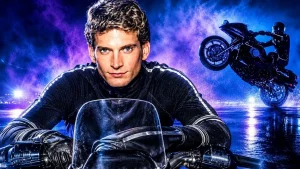
There are currently no official plans to bring the futuristic motorcycle back. That hasn’t stopped fans from imagining it. Fans have created AI-generated trailers pitching possible returns, and Rex Smith himself even explored the possibility.
In 2010, Smith and his son developed a project called Street Hawk Resurrection and pitched it to Universal. The studio passed.
Quite frankly, I think there’s a better chance of Rex Smith returning as Daredevil somewhere in the multiverse than there is of Street Hawk revving its engine again. Still, the original series hasn’t disappeared. You can still watch Street Hawk today and see what all the fuss was about.
The show may have lasted only thirteen episodes, but its motorcycle remains one of the most memorable vehicles in 1980s television. So settle in and imagine yourself flying down the street at impossible speed. Just make sure you’ve got your helmet on.
The post How Street Hawk went from Universal’s next Knight Rider to a 13-episode failure appeared first on JoBlo.