By
By 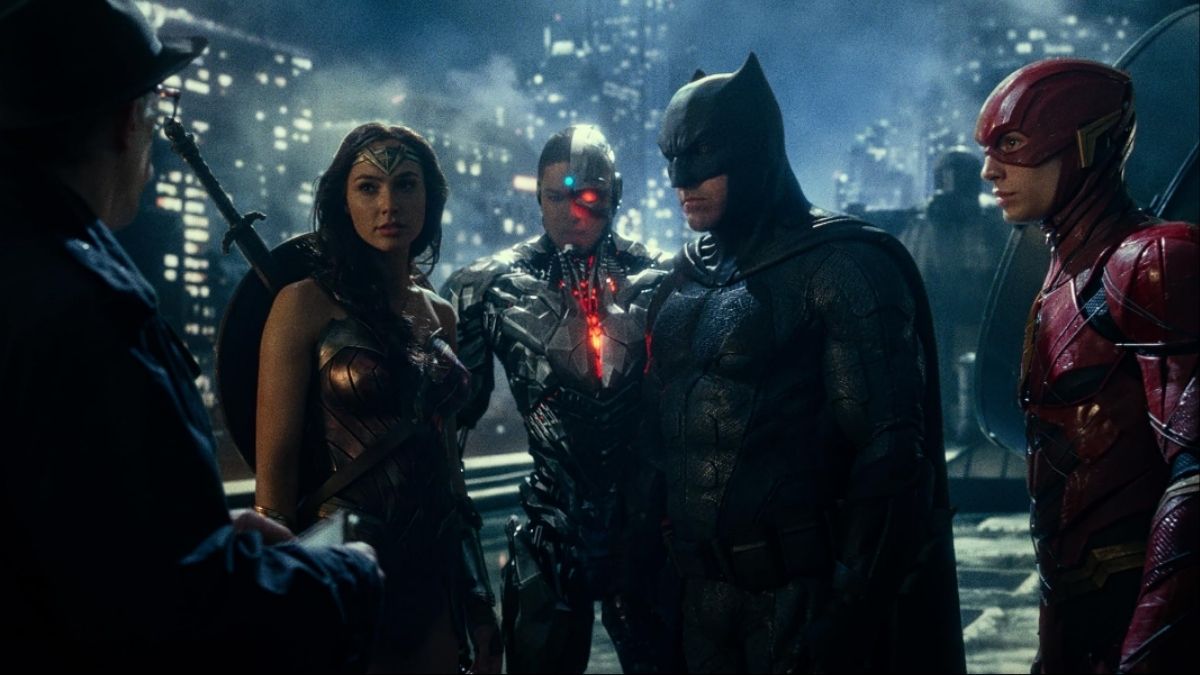
Hollywood is full of stories about directors fighting for their creative vision, and we love when those stories end well. That doesn’t always happen. Studio executives often step in with demands for reshoots, rewritten endings, shorter runtimes, or franchise connections they believe will sell more tickets.
It’s not like those decisions never work, but more often than not they leave audiences wondering what might have been. Many of these films still show flashes of greatness beneath the compromises, making the behind-the-scenes interference even more frustrating. These are movies where executive meddling became almost as famous as the films themselves, permanently altering projects that could have been something special.
IMDb
Justice League (2017)
Warner Bros. ordered extensive rewrites and reshoots after Zack Snyder departed, bringing in Joss Whedon to complete the film. The resulting tonal clash and mandated two-hour runtime produced a theatrical cut widely criticized by fans and critics alike.
IMDb
Alien 3
David Fincher’s feature debut was plagued by constant studio interference, script changes, and executive decisions during production. Fincher later disowned the film, which never fully realized the darker vision he originally intended.
IMDb
Kingdom of Heaven
Ridley Scott’s theatrical cut lost roughly 45 minutes after studio pressure for a shorter runtime. The later Director’s Cut restored essential character development and political context, dramatically improving the film’s critical reputation.
IMDb
The Magnificent Ambersons
RKO executives removed more than 40 minutes from Orson Welles’ film while he was out of the country. They also replaced his original ending, creating one of cinema’s most infamous examples of studio interference.
IMDb
Brazil
Universal executives rejected Terry Gilliam’s bleak ending and attempted to release a heavily re-edited version with a happier conclusion. Gilliam publicly fought the studio until his preferred cut eventually reached audiences.
IMDb
Blade Runner
Studio executives insisted on adding Harrison Ford’s voice-over narration and a more optimistic ending because they feared audiences would find the original version too confusing. Later cuts removed both and became far more acclaimed.
IMDb
Dark City
New Line Cinema required an opening narration explaining the film’s central mystery before it unfolded naturally. Director Alex Proyas later criticized the change because it spoiled one of the movie’s biggest revelations.
IMDb
Suicide Squad (2016)
After the success of lighter superhero films, Warner Bros. reportedly ordered major tonal changes and extensive re-editing. The final release felt disjointed, with multiple competing visions stitched together into one film.
IMDb
Fantastic Four (2015)
Josh Trank has publicly stated that his original vision differed significantly from the released film. Extensive reshoots and studio-mandated changes resulted in a final product criticized for its uneven tone and incomplete narrative.
IMDb
Daredevil (2003)
Fox significantly shortened Mark Steven Johnson’s original cut to emphasize action over character moments. The later Director’s Cut restored nearly 30 minutes, adding depth and earning noticeably stronger reviews from fans.
IMDb
Once Upon a Time in America
Sergio Leone’s sprawling gangster epic was cut from nearly four hours to just over two for its American theatrical release. Executives also reordered the nonlinear narrative chronologically, severely damaging the story’s emotional impact.
IMDb
The Golden Compass
New Line Cinema removed the novel’s controversial ending and softened religious themes to avoid backlash. Those changes weakened the adaptation’s dramatic payoff and contributed to disappointing box office performance despite impressive production values.
IMDb
Super Mario Bros. (1993)
Production became increasingly chaotic as studio executives repeatedly altered the script during filming. Constant rewrites and conflicting creative directions contributed to one of the most notoriously troubled video game adaptations ever made.
IMDb
I Am Legend
Warner Bros. opted for a more conventional theatrical ending after test screenings, replacing the film’s original conclusion. The alternate ending, later included on home releases, aligns much more closely with Richard Matheson’s novel.
IMDb
The Hobbit: The Battle of the Five Armies
Studio demands to expand The Hobbit into a trilogy led to significant additions beyond Tolkien’s original material. The final installment became dominated by extended action sequences that many viewers felt diluted the story’s strengths.
The post 15 Cool Movies Totally Ruined By Overbearing Executives appeared first on Den of Geek.