By
By 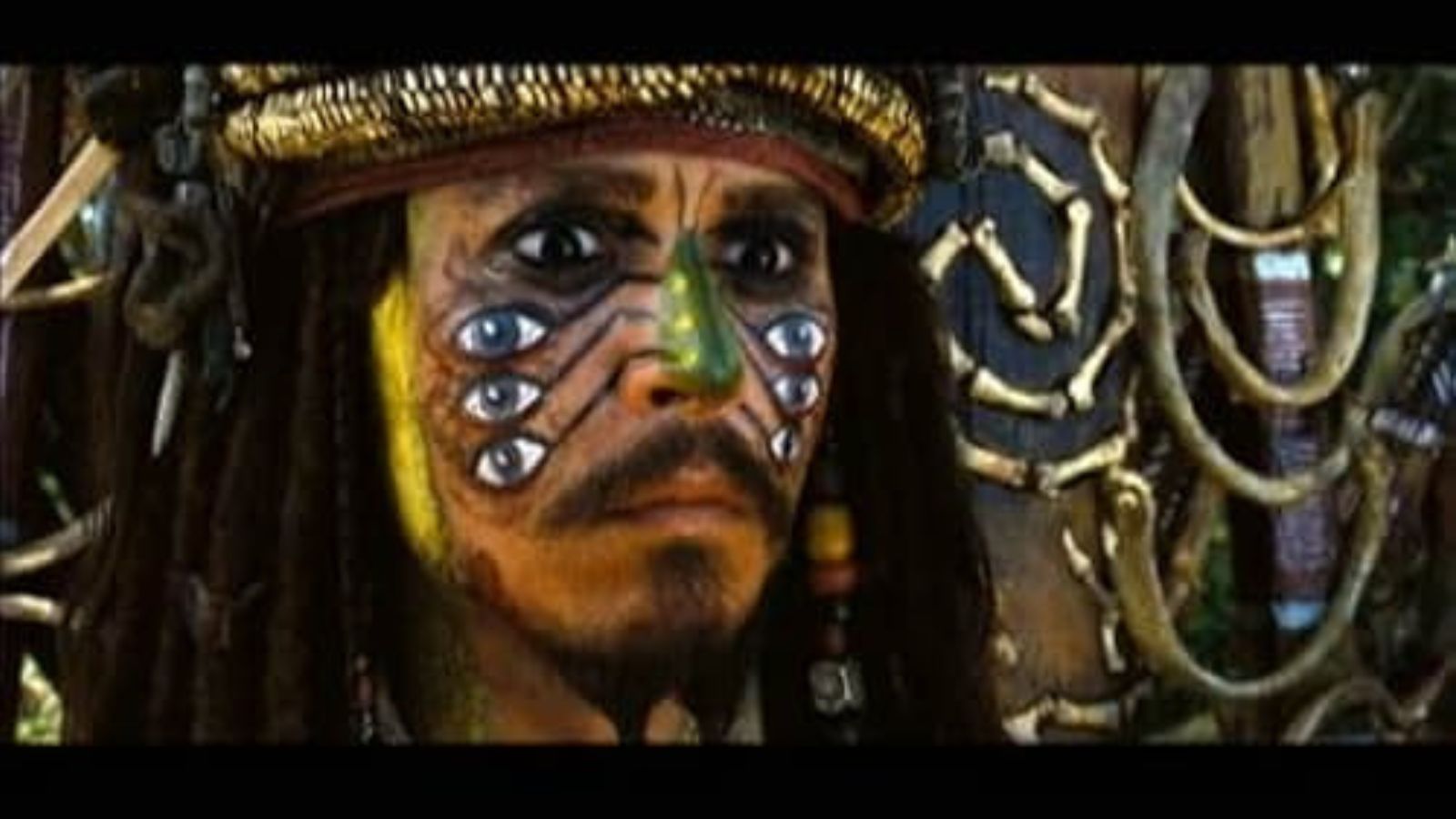
The Pirates of the Caribbean films became one of the most recognizable modern adventure franchises, built on a mix of mythology, humor, and large scale production design. While the movies feel seamless on screen, behind the scenes they are full of surprising decisions, unexpected improvisations, and production challenges that shaped what audiences eventually saw. From casting choices that almost didn’t happen to physical sets, practical effects, and last minute script changes, the franchise evolved in ways most viewers never notice. Looking closer at the details reveals how much of its identity came from improvisation, accident, and creative problem solving during production.
IMDb
Pirates of the Caribbean
The franchise was heavily influenced by classic Disney theme park attractions. The ride served as the foundation for the entire concept.
IMDb
Pirates of the Caribbean: The Curse of the Black Pearl
Johnny Depp’s Jack Sparrow was heavily inspired by rock star mannerisms rather than traditional pirate portrayals. The character’s final tone was very different from early studio expectations.
IMDb
Pirates of the Caribbean: Dead Man’s Chest
Davy Jones was created using groundbreaking motion capture technology for its time. The design combined practical prosthetics with digital animation in complex ways.
IMDb
Orlando Bloom
His casting helped anchor the franchise with a traditional heroic lead. The role balanced Jack Sparrow’s chaotic energy.
IMDb
Pirates of the Caribbean: On Stranger Tides
The production shifted locations to new international settings for a different visual tone. It marked a change in creative direction for the franchise.
IMDb
Keira Knightley
Elizabeth Swann’s character evolved significantly across the trilogy. She transitioned from aristocratic figure to active pirate leader.
IMDb
Johnny Depp
Depp’s interpretation of Jack Sparrow became the defining element of the franchise.
His performance reshaped the tone of the entire series.
IMDb
Hans Zimmer
The musical score blended orchestral themes with modern cinematic intensity. It became one of the most recognizable soundtracks in adventure films.
IMDb
Gore Verbinski
The director helped define the visual identity of the first trilogy. His approach mixed realism with fantasy world building.
IMDb
Geoffrey Rush
Captain Barbossa was initially intended to have a smaller role. The character became significantly more important after audience response.
IMDb
Pirates of the Caribbean: Dead Men Tell No Tales
The film brought back classic elements from earlier entries in the series. It also introduced new mythology tied to the franchise lore.
IMDb
Pirates of the Caribbean: At World’s End
Large parts of the film were shot back to back with the previous installment. This production strategy was highly unusual for blockbuster franchises at the time.
IMDb
Pirates of the Caribbean: The Curse of the Black Pearl
Much of the humor came from improvisation on set. Several iconic moments were not originally in the script.
IMDb
Pirates of the Caribbean: Dead Man’s Chest
The design of the Flying Dutchman crew required extensive practical makeup effects. Each character had unique underwater decay inspired details.
IMDb
Pirates of the Caribbean
The franchise’s success helped revive interest in pirate themed blockbusters. It became one of Disney’s most successful modern film properties.
The post 15 Facts You Never Knew About the ‘Pirates of the Caribbean’ appeared first on Den of Geek.