By
By 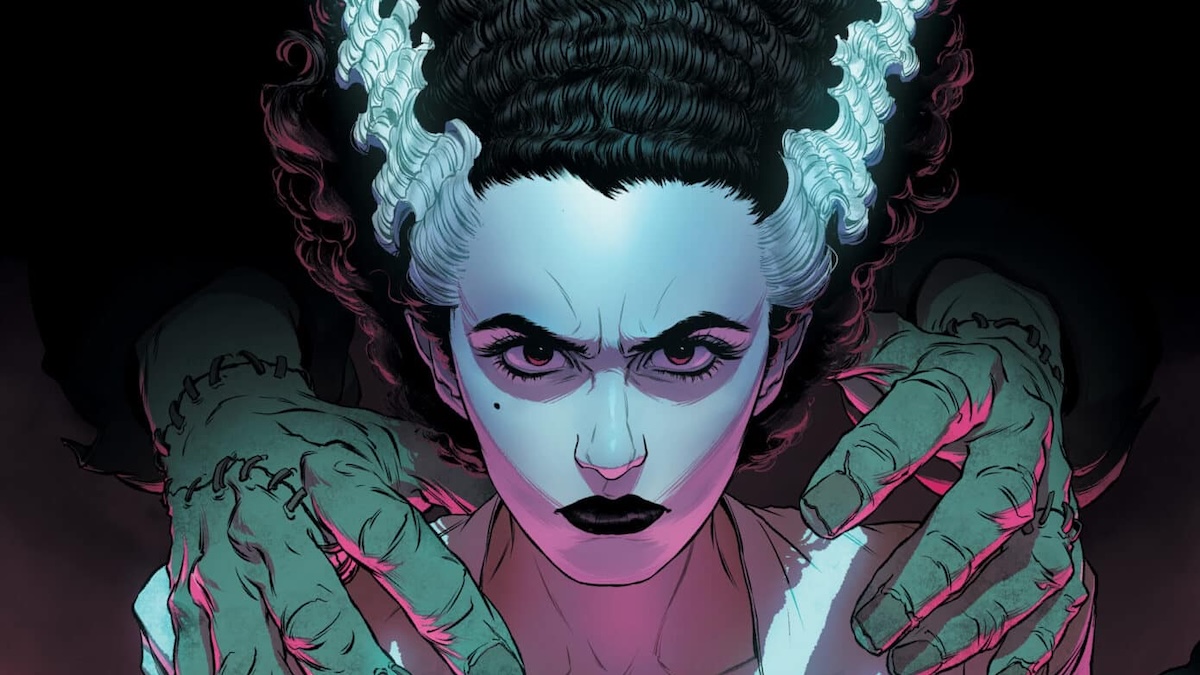
Writer Kelly Thompson and artist Mattia De Iulis, who gained recent success in DC’s Absolute Universe with Absolute Wonder Woman, are transitioning from stories inspired by twisted Greek mythology to a story from dark film mythology. Thompson and De Iulis will be taking their talents to a new adaptation of the Bride of Frankenstein story as a part of the Universal Monsters comic anthology series based on the Universal Monsters franchise.
Universal Monsters: Bride of Frankenstein joins Skybound and Image Comics’ pantheon of adaptations centering on classic Hollywood movie monsters, including Dracula, The Mummy, and Frankenstein’s Monster himself, hitting comics shelves Oct. 28.
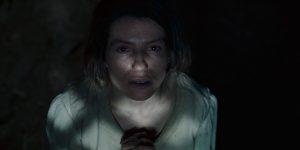
The newest story focuses on the titular monster who first appeared in the 1935 film Bride of Frankenstein. Despite only being in the film for the final scene, the Bride has been a fixture in horror iconography for decades. and her feature film debut is considered to be one of the greatest horror films of all time and a pivotal moment in silver screen and Universal Pictures history.
Bride of Frankenstein is director James Whale’s crown jewel. It’s a sequel to Whale’s other film, simply titled Frankenstein, which adapted the first half of Mary Shelley’s foundational novel Frankenstein; or, The Modern Prometheus. Bride follows the second half of the novel, as Frankenstein’s Monster (Boris Karloff) demands that Henry Frankenstein (a renamed Victor Frankenstein played by Colin Clive) create a mate (Elsa Lanchester) for him. Its cinematography, performances, and story have all aged beautifully since its release nearly a century ago. The film was selected by the Library of Congress for preservation in the National Film Registry in 1998, cementing it as “culturally, historically, or aesthetically significant.”
Whale, one of the most successful directors of the 1920s and ‘30s, also directed a slew of other Universal Pictures monster movies, including Frankenstein (1931) and The Invisible Man (1933), films which have been the source for the Skybound and Image Comics adaptations. He was known for his expressionist sensibilities, prioritizing extremely expressive performances and a visual style that rejected realism. Whale was also openly gay throughout his career, and many of his films have been revisited by scholars and fans alike with this in mind.
Bride of Frankenstein is the most revisited in this way, and film scholars have been applying a gay viewing of the film routinely for decades. Its campiness, themes of procreation and religion, and intentional use of gendered and sexually ambiguous language surrounding certain characters have all spawned academia and new readings.
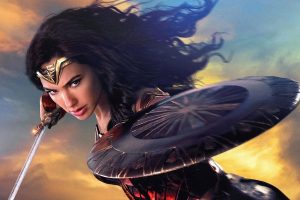
In the Absolute Universe, Diana was raised in Hell instead of her typical home of Themyscira, the mythological home of the Amazonians. Absolute Wonder Woman, similar to Bride of Frankenstein, is similarly defined by thematic complexities. Diana’s existence is a sin against the gods, and the tension of her existence pulls between her role as a violent warrior princess and her innate goodness.
Thompson and De Iulis’ experience on Absolute Wonder Woman make them the perfect pair for bringing a story with such a captivating history to the page. Early looks at their first issue hint at a take on the character that captures the same thematically complex energy of Whale’s masterpiece from a new perspective, in which we finally get to hear the Bride’s thoughts and feelings.
Both Bride of Frankenstein and Absolute Wonder Woman share narrative depth and tap into a mythos of powerful stories that define their success, and the comic will almost certainly be a must-read.
The post Absolute Wonder Woman Team Is Adapting One of the Best Genre Films Ever appeared first on Den of Geek.

![Best Casino Bonuses & Promotions – Top Online Casino Sign-Up Offers and Promo Codes [2024]](https://recognizecity.com/wp-content/uploads/2024/07/best-casino-bonuses-promotions-CO35ha-300x169.jpeg)