By
By 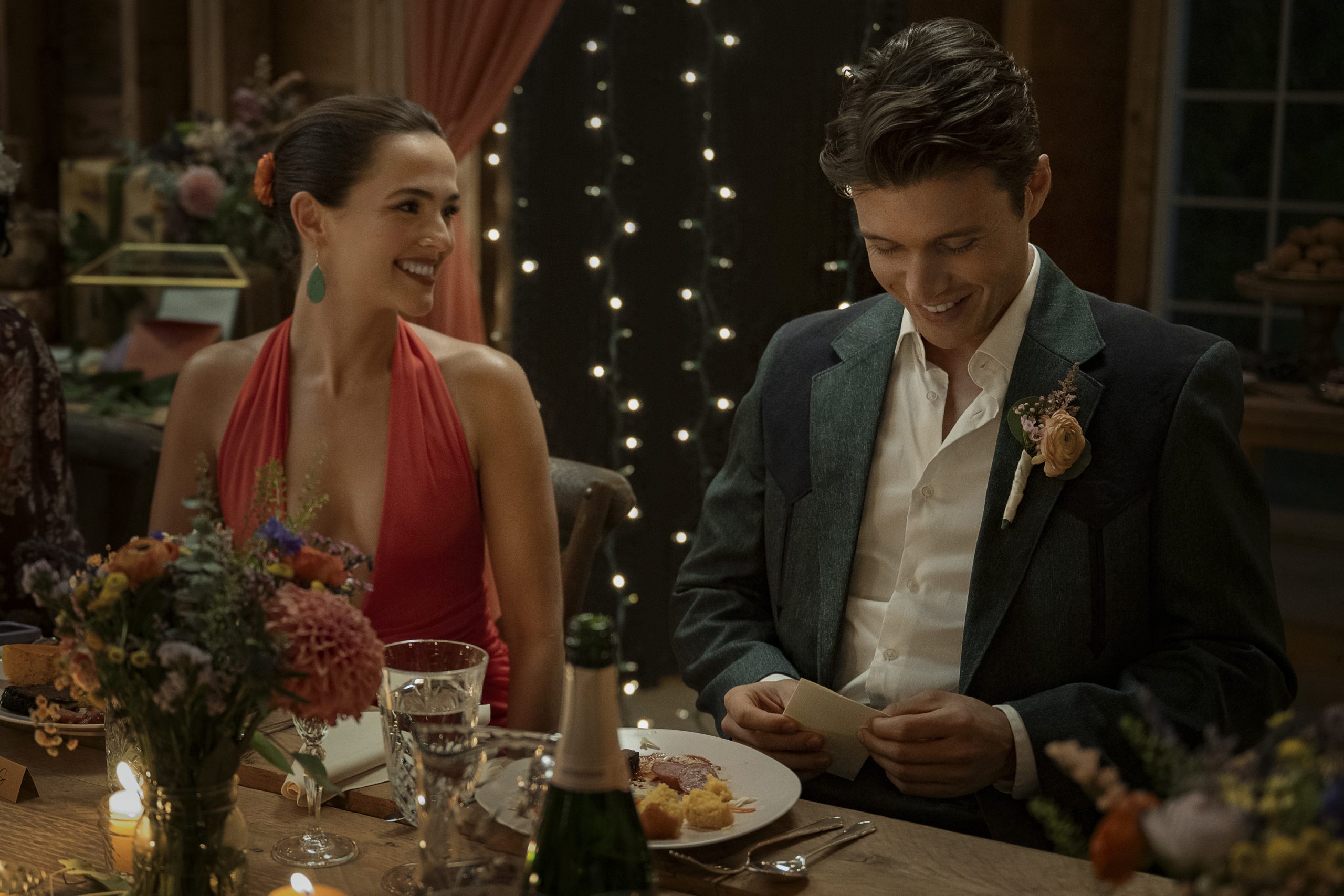
Voicemails for Isabelle (2026)
Sometimes the universe leaves you a message.
Voicemails for Isabelle spent several years waiting for Hollywood to pick up the phone. Leah McKendrick’s screenplay was acquired by Sony Pictures and appeared on the 2019 Black List, with Hailee Steinfeld originally attached to star and Bridget Jones’s Diary director Sharon Maguire in discussions to take the helm. The project remained on hold until Netflix finally returned the call, this time with McKendrick directing her own screenplay and Zoey Deutch and Nick Robinson leading the conversation. After roughly eight years of missed connections, this was one voicemail that thankfully avoided being deleted.
Jill Shaw (Zoey Deutch) is an aspiring pastry chef originally from Austin but now living in San Francisco, where she works beneath the obnoxious celebrity baker Chef Bastien (Nick Offerman). Her professional ambitions are repeatedly kneaded into submission by her employer, while her romantic life has produced more disasters than desserts. The one constant is her younger sister Isabelle (Ciara Bravo), who remains back home in Austin, lives with cystic fibrosis and serves as Jill’s closest friend, most trusted confidante and emergency contact for every emotional catastrophe.
When Isabelle suddenly dies, Jill continues calling her number and leaving the long, rambling messages that once connected them across the country. She shares workplace frustrations, terrible dates, private fears and the small details that feel too insignificant to tell anyone else. What Jill does not realize is that Isabelle’s number has been reassigned to Wes (Nick Robinson), a successful but emotionally guarded real estate agent in Austin. As the messages continue, Wes gradually becomes attached to the stranger speaking through his phone and sets out to find her, manufacturing a seemingly spontaneous meeting while keeping the true nature of their connection concealed.
Even voicemail has more accountability.
The opening stretch is somewhat shaky. McKendrick races through different periods of Jill and Isabelle’s lives, attempting to establish years of sisterhood, illness and shared memories before the primary story can begin. The intention is understandable, but the mixture of sentimentality, broad workplace comedy and rapid exposition initially struggles to find a comfortable frequency. At times, it feels as though several different romantic comedies are trying to leave a message at once.
Once the central premise takes hold, however, McKendrick’s screenplay settles into something considerably warmer and more confident. The dialogue is funny without constantly begging for a laugh, while the emotional exchanges between Jill and Wes are given enough room to feel natural. McKendrick’s direction is similarly solid, favoring character and performance over unnecessary visual decoration. The story follows a largely familiar romantic structure, complete with a ‘pre-planned’ meet-cute, an increasingly troublesome secret and the inevitable moment when everything comes crashing down, but sincerity prevents the journey from feeling completely pre-recorded.
The idea of a man listening to a grieving woman’s private messages and using them to engineer his way into her life could easily have turned Wes into the romantic equivalent of an unknown caller at three in the morning. McKendrick is clearly aware of the danger and allows his guilt to grow alongside his feelings. Robinson’s natural sensitivity also prevents the character from appearing calculated or predatory. Wes may begin the relationship with a lie, but his emotional investment never feels insincere, giving the eventual conflict more complexity than a simple misunderstanding designed to keep the couple apart for another twenty minutes.
More importantly, the romance is not the true beginning of Jill’s story. Voicemails for Isabelle is built around the belief that familial love teaches people what genuine connection should feel like. McKendrick conceived the screenplay as a love letter to her younger sister, using Jill and Isabelle’s relationship to explore grief, vulnerability and the fear that moving forward may somehow mean leaving someone behind. Jill is not merely looking for another partner — she is trying to understand whether anyone can enter the enormous space left by Isabelle without displacing the person who once filled it.
Voicemail therefore becomes more than a convenient romantic hook. Jill cannot polish away the pauses, emotional detours or embarrassing admissions, allowing Wes to hear the version of her that usually disappears while she is presenting herself to someone new. Their connection asks whether a person can be loved before every insecurity has been edited out and the socially acceptable version is ready to send.
Not every detour strengthens that idea. An early subplot involving Tyler (Toby Sandeman), a dating podcaster who preaches accountability before ghosting Jill, could have been omitted almost entirely. Her public retaliation is intended as a satisfying attack on hypocrisy in modern dating culture, but it delays the central relationship and risks making Jill appear unnecessarily vindictive before the audience has properly connected with her grief. Tyler has plenty to say about communication, but his subplot mostly keeps the more interesting story on hold.
Fortunately, Deutch saves the character from becoming unpleasant. Her sharp comic delivery makes Jill’s worst dates and workplace humiliations entertaining, while her expressive performance reveals the sadness hiding beneath the character’s more reckless behavior. Jill can be demanding, messy and occasionally exhausting, yet Deutch ensures that those qualities feel connected to someone desperately attempting to outrun silence. When the humor falls away, she handles the heavier material with a rawness that never feels manipulative.
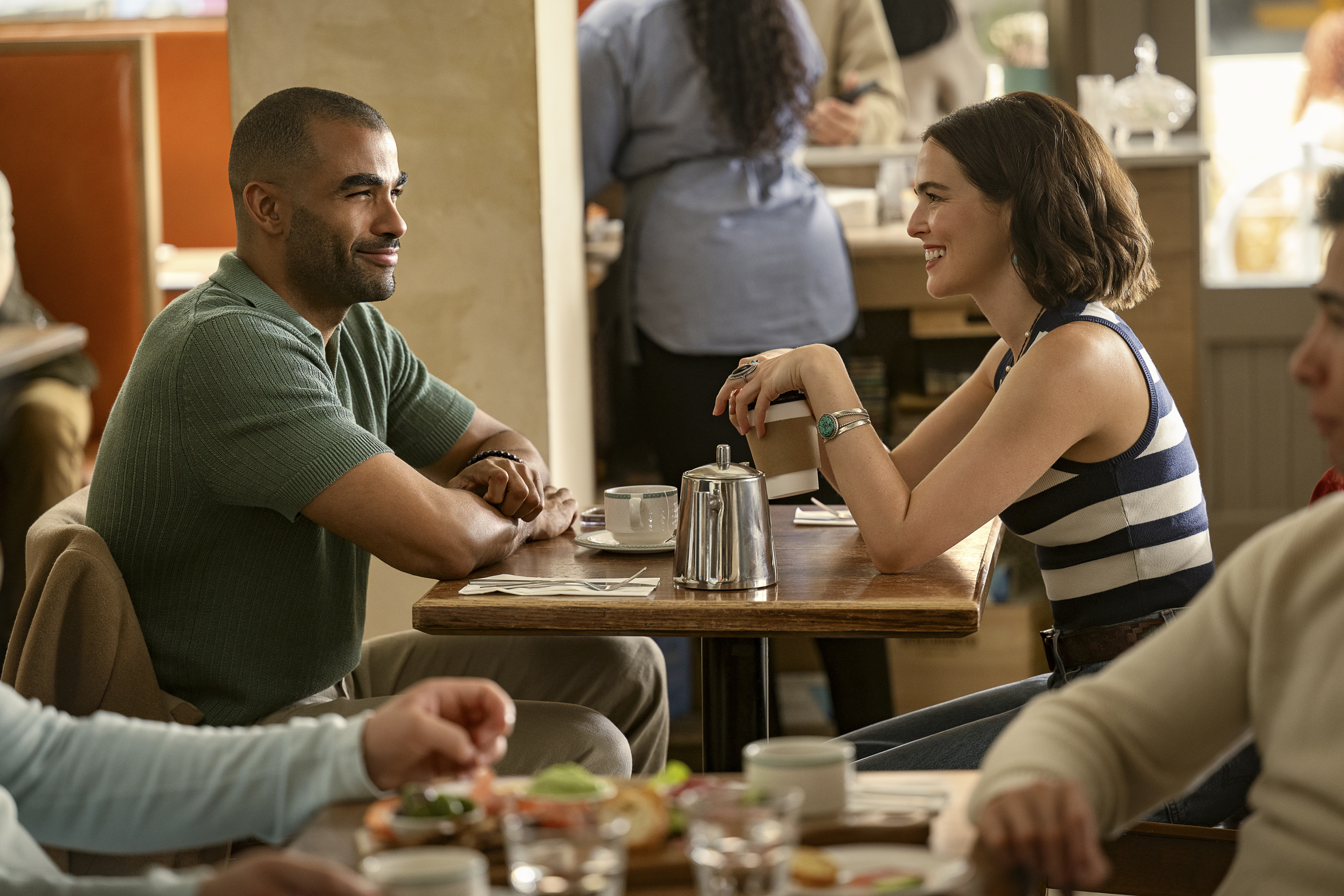
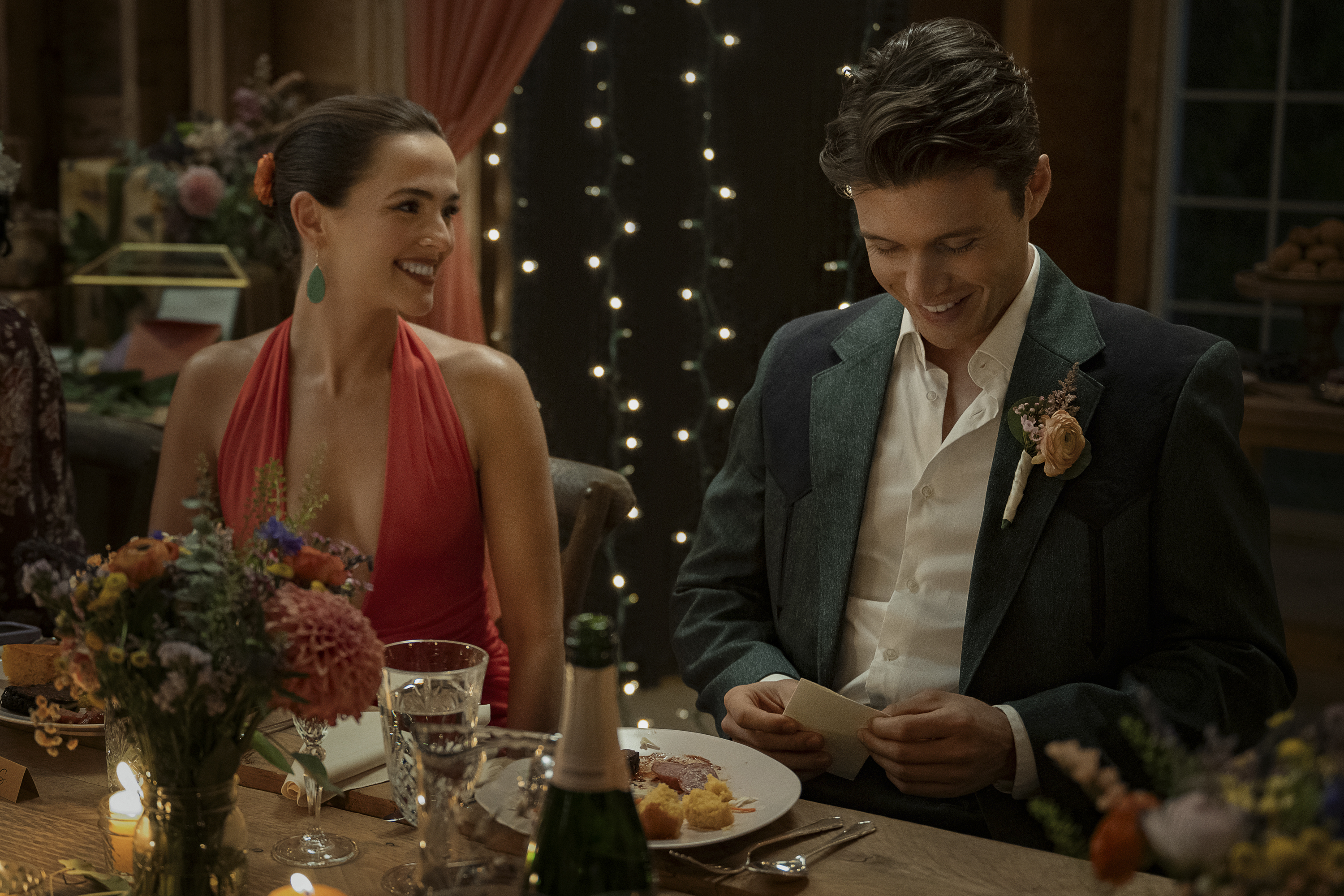
Table for two… and one very big secret.
The use of Robyn’s “Dancing on My Own” is particularly effective. Initially attached to a childhood dance routine shared by the sisters, the song gathers emotional weight as the story continues. Its image of watching someone from across the room is redirected away from romantic longing and towards Isabelle, turning a dance-floor anthem into something about sisterly love, absence and the painful sight of a person carrying on without you. When the track returns, it is no longer there simply to press an emotional button — it belongs to Jill and Isabelle, holding memories the screenplay wisely leaves to the music.
Nick Robinson makes an appealing romantic partner as Wes, bringing a quiet awkwardness to someone who has built a successful career while remaining emotionally unavailable. He gives the character an old-fashioned charm without turning him into a fantasy figure completely detached from reality. His chemistry with Deutch is solid, growing through comfortable conversation, shared vulnerability and the relief of finally feeling understood.
Harry Shum Jr. is equally likeable as Andy, Wes’s lifelong friend, honorary cousin and increasingly exasperated voice of reason, bringing an easy warmth to the supporting role while making it clear just how spectacularly Wes’s plan could collapse. Writer-director Leah McKendrick also appears as Andy’s fiancée, Breeda, whose relaxed chemistry with Shum gives the friendship group a lived-in quality and provides Wes with a welcome female perspective whenever his romantic judgement begins to falter. Lukas Gage earns a laugh or two as Arthur, Jill’s absurdly groomed bakery colleague and regrettable one-night stand, finding unexpected vulnerability beneath the character’s frat-boy confidence and deeply concerning enthusiasm for beavers. Offerman, meanwhile, attacks the role of Chef Bastien with the enthusiasm of a man discovering an unlimited supply of scenery. Bastien is a pompous television chef who terrorises his employees while hiding behind a questionable French accent and an even more questionable reputation. The performance is deliberately broad, but Offerman’s ability to sound authoritative while saying something completely ridiculous makes him a reliable source of comic relief.
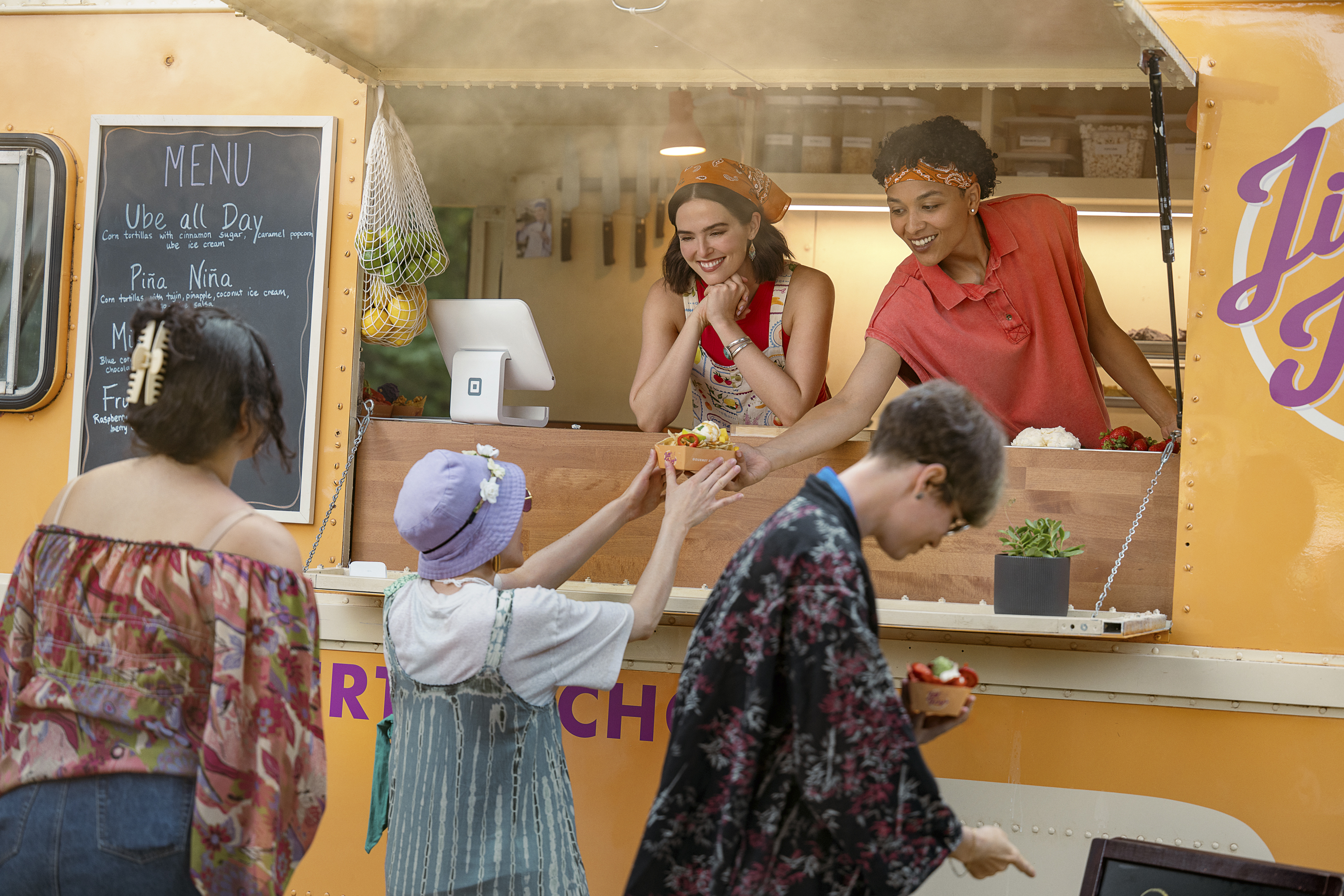
Answering a different type of calling.
The production is polished throughout. Julia Swain’s cinematography gives San Francisco an inviting romantic glow, while Celine Diano’s production design makes the parks, homes and restaurants feel colorful without becoming artificial. The original score from Este Haim and Amanda Yamate supports the movement between comedy, romance and grief, complementing a soundtrack built around memories and emotional associations rather than simply assembling recognizable songs.
Overall, McKendrick largely achieves what she sets out to do. The early storytelling occasionally struggles to find its tone, the Tyler material should have been disconnected and the central deception requires a generous acceptance of romantic-comedy logic, but the warmth of the screenplay, the strength of the sisterly relationship and the chemistry between Deutch and Robinson ensure that its emotional point comes through clearly. Voicemails for Isabelle may not completely change the romantic-comedy conversation, but it understands that grief does not end when someone stops answering, and that love can survive through memories, familiar songs and all the things that were never properly said. By the time the final message has played, there will not be a dry eye in the house. Some calls change your life — others remind you why it is still worth answering.
3.5 / 5 – Great
Reviewed by Dan Cachia (Mr. Movie)
Voicemails for Isabelle is currently streaming on Netflix