By
By 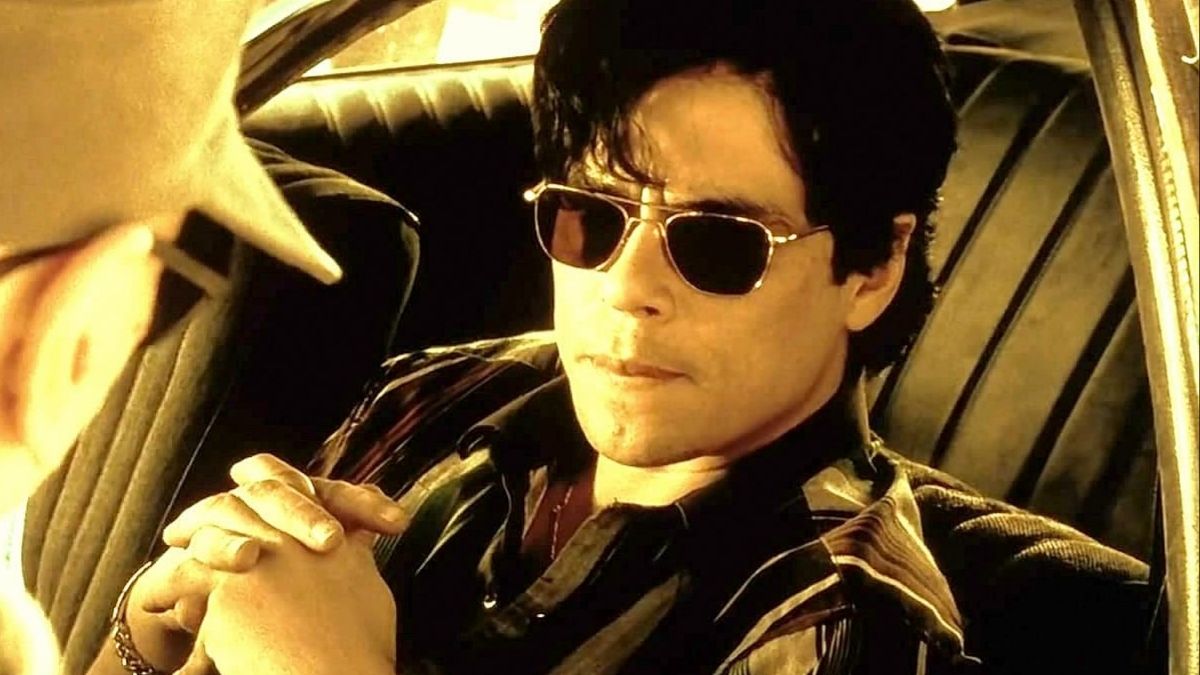
You’d be forgiven for not knowing this, but Mexico isn’t covered in yellow tint. This is a myth propagated by popular media, since they insist on using the filter when showing scenes happening within the country. The alleged reason is that it helps inform the audience where a scene is taking place at a given time, but you don’t see the same technique being used when jumping around different USA states.
Another reason is to denote temperature, with a blue filter for cold climates and a yellow one for hot. If that’s the case, we’ve never seen Miami being depicted with yellow, or Toronto with blue. In any case, here are some examples of extreme yellow filter usage.
IMDb
Traffic
Steven Soderbergh’s Traffic became one of the most famous examples of the “Mexico filter.” Scenes set across the border were heavily tinted yellow and dusty, visually separating Mexico from the cooler, ‘cleaner’ American sequences.
IMDb
Breaking Bad
Whenever Breaking Bad shifted to cartel-related scenes in Mexico, the series dramatically increased its yellow and sepia tones. The visual style became so recognizable that viewers started jokingly calling it the unofficial “Mexico filter.”
IMDb
Spectre
The opening Mexico City sequence in Spectre used warm yellow grading that many viewers immediately associated with the long-running Hollywood trope. The contrast stood out even more because the Day of the Dead setting was already visually colorful.
IMDb
Extraction
Netflix’s Extraction leaned heavily into dusty yellow cinematography during its Mexico-set opening scenes. Like many action thrillers before it, the film used color grading to exaggerate heat, danger, and chaos south of the border.
IMDb
Saw X
Although much of Saw X takes place in Mexico City, the movie often applies warm yellow tones associated with the stereotype. Viewers quickly noticed the familiar grading style that Hollywood frequently uses for Mexican locations.
IMDb
Sicario
Denis Villeneuve’s Sicario frequently used desaturated yellows and harsh sunlight during scenes set around the U.S.-Mexico border. The visual approach helped create tension, though many audiences also recognized the familiar “Mexico equals yellow” cinematic shorthand.
IMDb
Man on Fire
Tony Scott’s Man on Fire drenched its Mexico City scenes in intense warm tones and stylized filters. The aggressive color grading matched the film’s frantic editing style while reinforcing Hollywood’s long-running visual stereotype of Mexico.
IMDb
Once Upon a Time in Mexico
Robert Rodriguez intentionally leaned into exaggerated yellow and orange tones throughout Once Upon a Time in Mexico. Unlike some examples, the stylized look partly reflected Rodriguez’s hyper-stylized action aesthetic rather than strict realism.
IMDb
Savages
Oliver Stone’s Savages used heavily sunbaked cinematography during its cartel-related Mexico sequences. The movie amplified dusty yellows and harsh lighting to create an atmosphere of violence and instability tied directly to its borderland setting.
IMDb
Get the Gringo
Mel Gibson’s Get the Gringo takes place largely inside a Mexican prison and uses warm, dirty yellow grading throughout. The movie visually follows the same established Hollywood shorthand for portraying danger and disorder in Mexico.
IMDb
Desperado
Robert Rodriguez’s Desperado embraced a gritty yellow-tinted look for many of its Mexican settings. The stylized cinematography became influential enough that later action movies copied similar color palettes when depicting Latin American locations.
IMDb
The Counselor
Ridley Scott’s The Counselor used muted yellows and dusty cinematography during cartel-related scenes connected to Mexico. The visual treatment fit neatly into Hollywood’s recurring habit of portraying the country through harsh desert-like color grading.
IMDb
Miss Bala
Both the original Mexican version and the American remake of Miss Bala depict cartel violence, but the 2019 Hollywood adaptation especially leaned into warm yellow tones during many Mexico-based scenes, reinforcing a now very recognizable visual cliché.
IMDb
Clear and Present Danger
Though focused partly on Colombia, Clear and Present Danger also uses warm yellow-tinted cinematography during several Mexico and border-related sequences. The film helped cement the visual language later copied by countless cartel and drug-war thrillers.
IMDb
Narcos: Mexico
Narcos: Mexico frequently used dusty yellow grading throughout cartel scenes. The visual style matched the broader crime-drama trend established by productions like Traffic and later copied across countless border-related thrillers.
The post 15 Times American Movies Pretended Mexico Was Yellow appeared first on Den of Geek.