By
By 
Age restrictions in movies are there because children aren’t ready for mature themes, not because they can’t tackle any complex topics. But movies aren’t made by kids, they are made by greedy adults that want to tap on any market for a profit, including a child’s innocent interest in films.
This is how we get movies and moments that showcase a lack of understanding of their audience, where children are taken for granted and quality is thrown out the window. At least we can laugh at their expense now, pointing out the worst offenders of this trend.
IMDb
Batman & Robin
The movie aggressively leaned into toyetic costumes, neon visuals, and cartoonish humor in an obvious attempt to attract younger audiences and sell merchandise simultaneously.
IMDb
The Emoji Movie
Sony built an entire animated feature around smartphone apps, internet slang, and social media culture, creating a movie many critics compared to an extended advertisement.
IMDb
Catwoman
The film overloaded itself with trendy editing, awkward slang, and early-2000s “cool” aesthetics that immediately felt dated even when the movie was originally released.
IMDb
Transformers: Revenge of the Fallen
The sequel doubled down on louder explosions, hyperactive comedy, and juvenile humor clearly designed to keep younger audiences constantly distracted by nonstop chaos.
IMDb
Suicide Squad
Warner Bros. heavily re-edited the movie after trailer reactions, stuffing the final cut with pop songs, flashy graphics, and meme-like humor targeting younger viewers.
IMDb
Teenage Mutant Ninja Turtles II: The Secret of the Ooze
Responding to parental criticism, the sequel reduced weapon use and emphasized sillier comedy, making the turtles feel noticeably softer and more child-focused than before.
IMDb
Alvin and the Chipmunks
The live-action adaptation aggressively packed itself with contemporary pop music, celebrity references, and hyperactive humor designed almost entirely around children’s short attention spans.
IMDb
Space Jam: A New Legacy
The sequel constantly references gaming culture, streaming platforms, and internet-era branding in ways that often feel more corporate than genuinely entertaining.
IMDb
The Amazing Spider-Man 2
The movie tried desperately to position Spider-Man as a quippy, ultra-cool modern hero, occasionally pushing the humor and trendy dialogue into awkward territory.
IMDb
Scooby-Doo
The adaptation overloaded itself with early-2000s sarcasm, pop culture humor, and exaggerated “extreme” energy clearly intended to modernize the classic cartoon for younger audiences.
IMDb
The Last Airbender
Nickelodeon heavily pushed the adaptation toward younger mainstream viewers, but awkward exposition and flattened humor made the movie feel strangely artificial instead of accessible.
IMDb
Pixels
The movie attempted to capitalize on gaming nostalgia and internet culture simultaneously, often reducing beloved arcade characters to shallow references and product recognition.
IMDb
Masters of the Universe
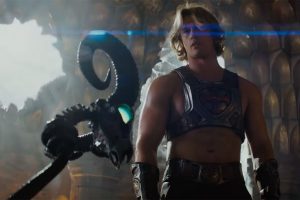
The adaptation moved much of the story to modern Earth partly to appeal to mainstream younger audiences and reduce production costs, frustrating many fans of the original cartoon.
IMDb
Shrek the Third
The sequel increasingly relied on celebrity jokes, trendy humor, and pop culture references instead of the sharper fairy-tale satire that made the original movies successful.
IMDb
Ghostbusters
The reboot frequently leaned on improvisational internet-style humor and rapid-fire jokes in ways many audiences felt were trying far too hard to appear modern and meme-friendly.
The post ‘Hello Fellow Kids’ 15 Embarrassing Times Movies Tried to Appeal to Young Audiences appeared first on Den of Geek.