By
By 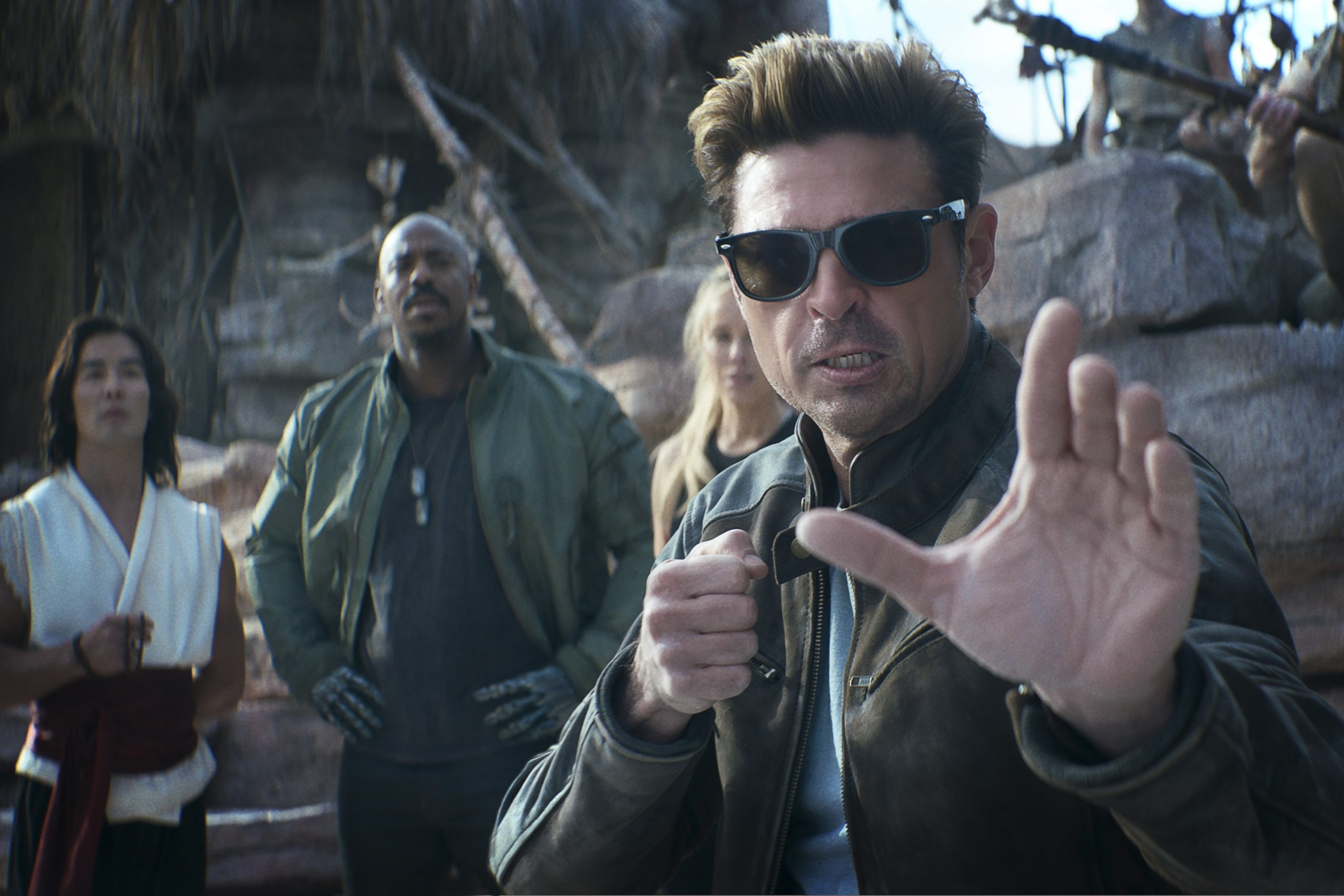
Mortal Kombat II (2026)
Their fight. Our future.
Five years ago, Simon McQuoid’s 2021 reboot of Mortal Kombat landed with the force of a spinning uppercut. Fans finally got the gore, the fatalities and the hard-R brutality they had begged for after decades of PG-13 disappointment. But there was one problem… there wasn’t actually much Mortal Kombat in Mortal Kombat. The tournament itself was mostly teased, poor old Cole Young (Lewis Tan) wandered around like he’d accidentally walked into somebody else’s franchise, and the entire thing often felt like a two-hour setup for the real main event.
Well… Mortal Kombat II finally screams “FINISH HIM!” and dives headfirst into the wild arcade madness fans wanted from the beginning. And quite frankly? That alone makes this one a pretty bloody good time.
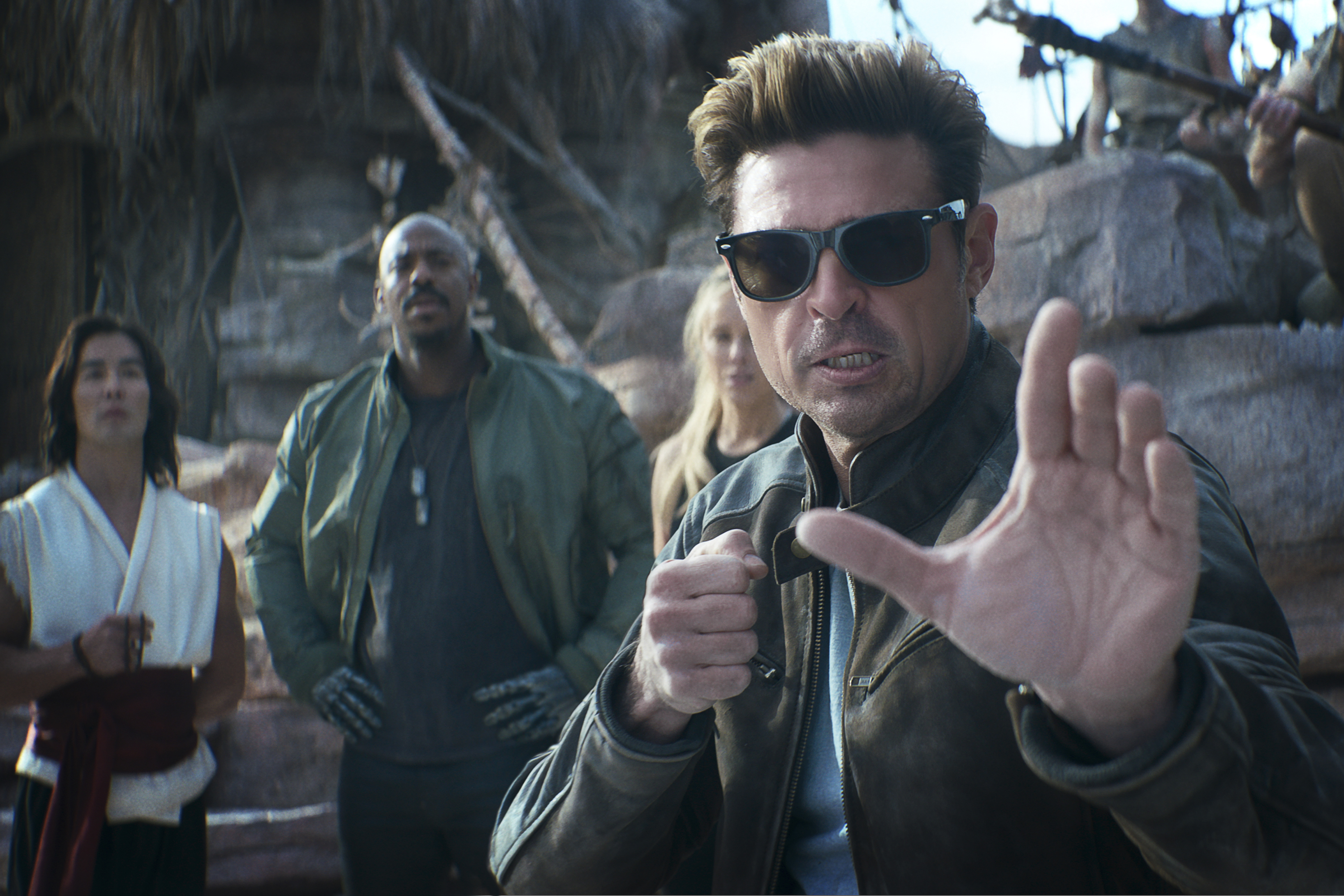
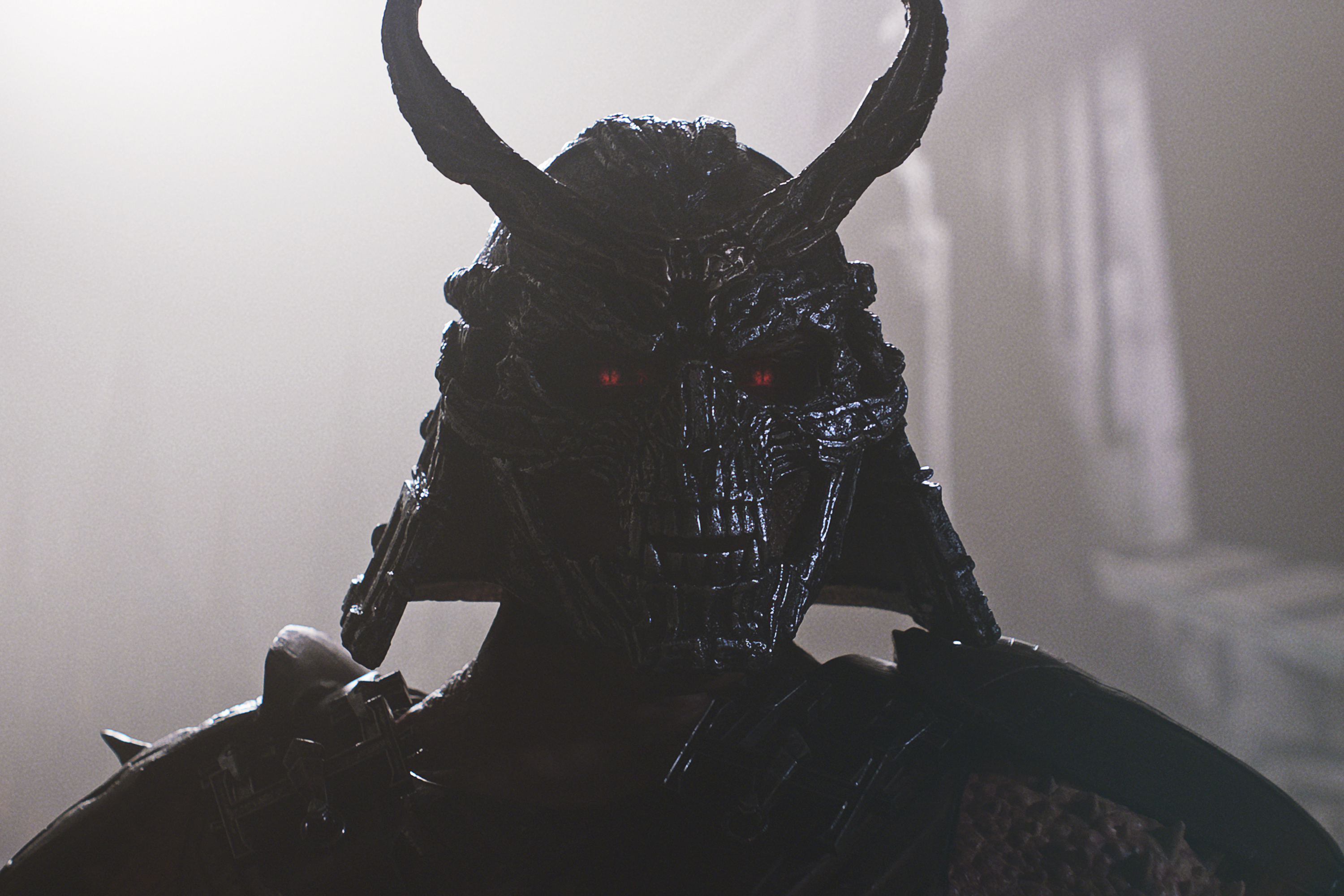
Directed once again by Simon McQuoid and written by Jeremy Slater, this sequel wisely stops trying to overcomplicate things. After the events of the 2021 reboot, the actual Mortal Kombat tournament finally begins as Earthrealm’s champions are forced into battle against the invading forces of Outworld led by the monstrous Shao Kahn (Martyn Ford). Alongside returning fighters like Liu Kang (Ludi Lin), Sonya Blade (Jessica McNamee), Jax (Mehcad Brooks) and Raiden (Tadanobu Asano), the story introduces washed-up Hollywood action star Johnny Cage (Karl Urban), who gets dragged kicking and screaming into a war he barely understands.
Cage match officially activated.
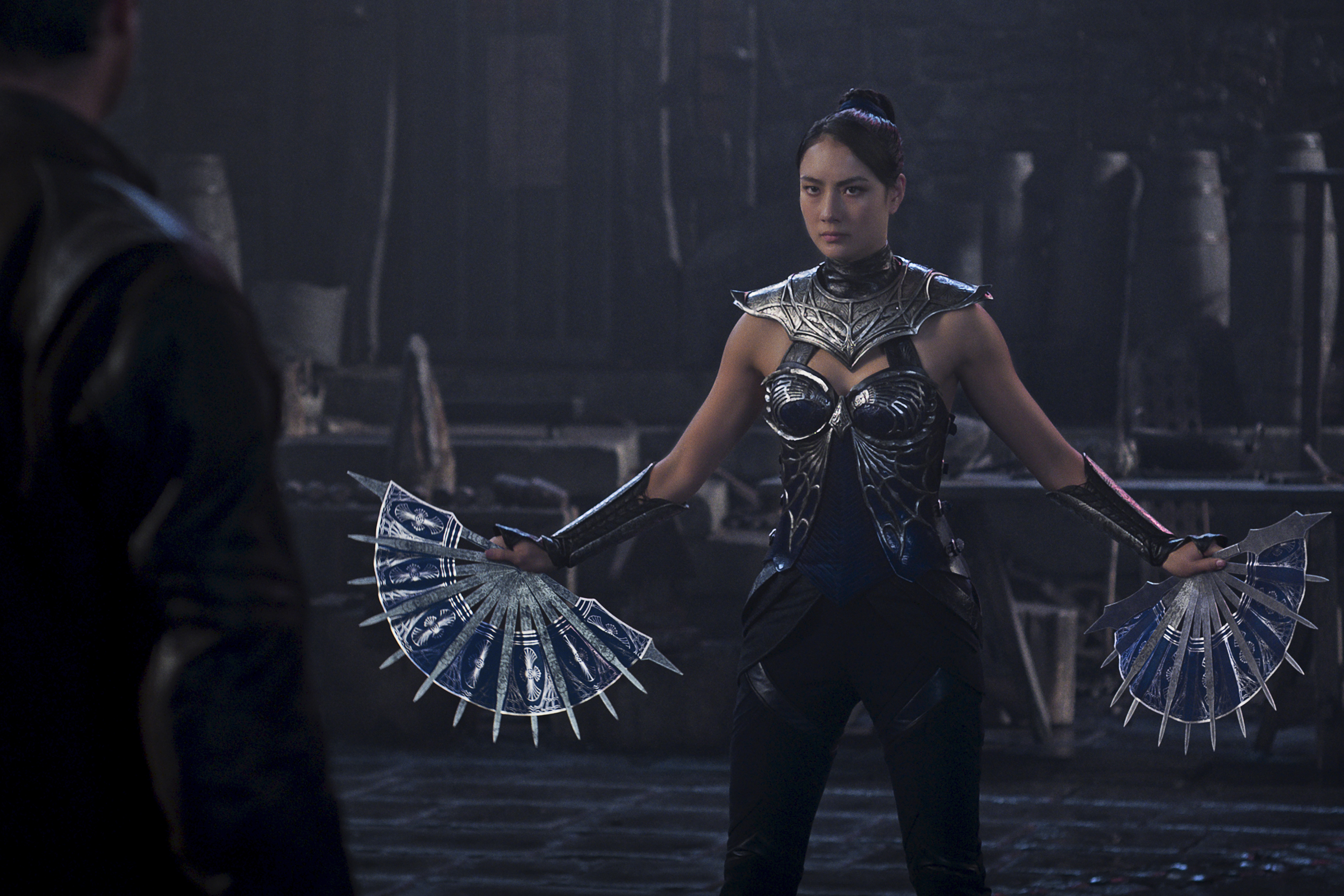
Elsewhere, Kitana (Adeline Rudolph) — the Princess of Edenia whose real father was murdered by Shao Kahn during Outworld’s conquest — begins uncovering the truth about the empire she was raised to protect. As her loyalty to the emperor begins to fracture, Kitana finds herself torn between Outworld and the possibility of helping Earthrealm stop the coming war. Their arcs surprisingly become the emotional spine of the story, with Cage slowly stumbling toward heroism while Kitana wrestles with betrayal, identity and the horrifying legacy left behind by Shao Kahn’s rise to power.
The stakes are simple. The story is simple. The screenplay is very simple. Sometimes painfully so. Dialogue regularly swings between genuinely effective character moments and gloriously over-the-top arcade-style cheese. Some lines land perfectly, while others sound like they were pulled straight from a 90s fighting game cutscene. Several emotional beats fail to register with the weight the movie clearly wants them to have. Yet somehow, none of these issues matter all that much once the tournament properly kicks into gear. Because when Mortal Kombat II stops worrying about story mechanics and lets the tournament take over, the movie becomes ridiculously entertaining: brutal fight choreography, crowd-pleasing fan service and enough high-energy madness to punch straight through its storytelling flaws.
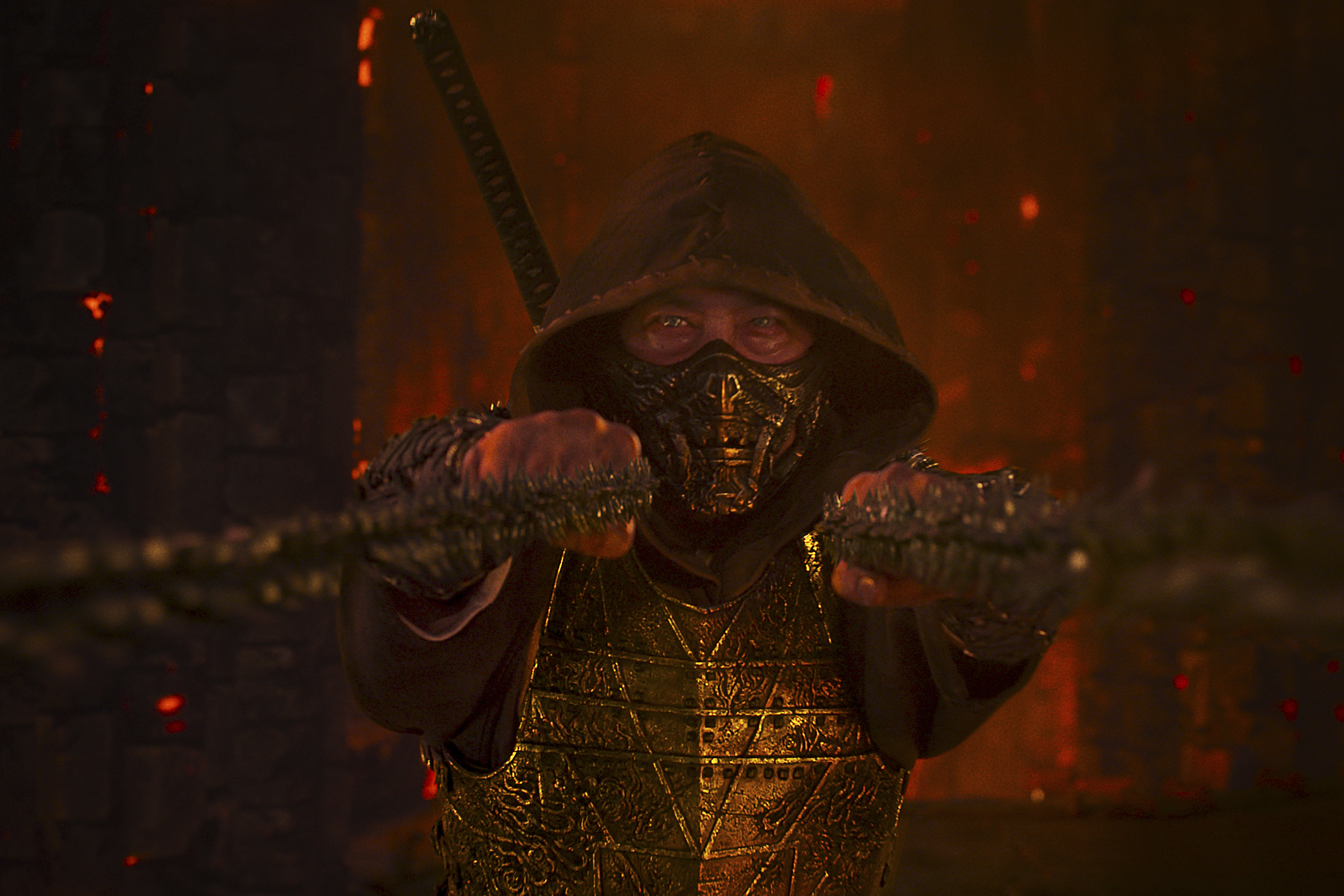
The standout sequence is unquestionably the Liu Kang vs Kung Lao showdown on the iconic Blue Portal stage, complete with the swirling blue vortex longtime fans will instantly recognize from the Mortal Kombat II arcade game. Ludi Lin and Max Huang tear into each other with a mix of elegant martial arts choreography and over-the-top arcade insanity. Then, just as the fight reaches full power, it kicks in — the classic 1995 techno Mortal Kombat anthem starts blasting through the speakers. It’s shameless fan service. It’s manipulative nostalgia bait. And somehow, it still works brilliantly. The other big standout is the Scorpion vs Bi-Han clash in the Netherrealm between Hiroyuki Sanada and Joe Taslim. Their rivalry already carried the first movie, but this sequel cranks the battle to eleven. The choreography is savage, clean and beautifully readable — exactly what modern blockbuster action often forgets to be.
McQuoid and his crew clearly understand the assignment this time around. Instead of merely resembling the games, Mortal Kombat II goes full joystick mode. Entire arenas feel ripped straight from the arcade era, with visual nods to Netherrealm, Shao Kahn’s tournament arena, the Dead Pool and The Pit, alongside flashes of Shao Kahn’s throne room staged with loving attention to classic game imagery. The movie is also packed with fan-service details — Shinnok’s Amulet, the inclusion of fan-favorite characters like Noob Saibot and Sindel (Ana Thu Nguyen), Johnny Cage’s shadow-kick teases and even a blink-and-you’ll-miss-it cameo from series co-creator Ed Boon as a bartender. This thing is stuffed with enough Easter eggs to make longtime fans yell “GET OVER HERE!” every ten minutes.
Technically, the production is also a huge upgrade. The environments are richer, the practical sets feel larger, and the visual effects mostly hold together despite the nonstop clutter onscreen. Benjamin Wallfisch’s score smartly blends modern blockbuster orchestration with callbacks to the classic game themes without overdoing it.
Karl Urban walks into the franchise like he owns the place as Johnny Cage. Urban wisely avoids playing Cage as a generic smug action clown. Instead, he leans into the washed-up Hollywood burnout angle — a guy desperately trying to convince everyone, including himself, that he’s still the star of the show. He’s arrogant, insecure, hilarious and weirdly lovable all at once. Urban understands the role perfectly: Johnny Cage should feel like a mix of washed-up 90s action ego and accidental heroism. He also gets some of the movie’s funniest lines.
Deadly grace meets fan-tastic style.
Actually, scratch that — most of the laughs belong to Kano and Baraka. Josh Lawson once again steals scenes as Kano, delivering one-liners with the energy of a drunken pub pest who somehow wandered into an interdimensional death tournament. But the surprise MVP is CJ Bloomfield’s Baraka — a savage, blade-armed Tarkatan warrior from Outworld — who becomes an unexpectedly hilarious presence throughout the middle portion. The filmmakers wisely understand that Mortal Kombat has always thrived on a mix of ultra-violence, cool mythology and pure crowd-pleasing fun.
The emotional core this time surprisingly belongs to Kitana. Adeline Rudolph gives the character genuine warmth and sincerity, helping ground the madness around her. The story smartly shifts focus away from Lewis Tan’s Cole Young — who often felt like a placeholder protagonist in the previous entry — and hands much of the emotional weight to Kitana instead. It’s a much stronger choice. She becomes the heart of the story while Cage becomes the engine. Then there’s Shao Kahn. Martyn Ford doesn’t exactly reinvent the wheel performance-wise, but his sheer physical presence is terrifying. The guy looks like he was genetically engineered in an Outworld laboratory specifically to scream at people while holding a war hammer. Every time Shao Kahn stomps onto the screen, the movie suddenly feels bigger and nastier. He’s not subtle. He’s not layered. He’s basically a walking tank built purely to intimidate.
The weakest element of the movie is easily Quan Chi, played by Damon Herriman. As the manipulative Netherrealm sorcerer working alongside Shao Kahn, Quan Chi spends much of the film resurrecting fallen fighters and pulling strings from the shadows. Herriman brings the right eerie presence to the role, but the character’s inclusion ultimately weakens the stakes of the tournament itself. The constant resurrection of defeated fighters strips much of the danger and tension from the story, making several major deaths feel less like shocking turning points and more like temporary setbacks. In a franchise built on brutal consequences, fatal blows and the threat of permanent defeat, repeatedly bringing characters back from the dead slightly undercuts the impact that the film should have carried.
Mortal Kombat II knows exactly what it is. It’s loud, violent, funny and gleefully excessive in all the right ways. The screenplay may be thin and some of the dialogue downright silly, but once the tournament chaos kicks in, the movie becomes ridiculously entertaining. McQuoid fully embraces the arcade madness this time around, delivering bone-crunching fights, crowd-pleasing fan service and enough nostalgic energy to keep longtime fans grinning from start to finish. No, this isn’t a flawless victory. But it’s definitely a victory.
3 / 5 – Good
Reviewed by Dan Cachia (Mr. Movie)
Mortal Kombat II is distributed by Warner Bros. Australia