By
By 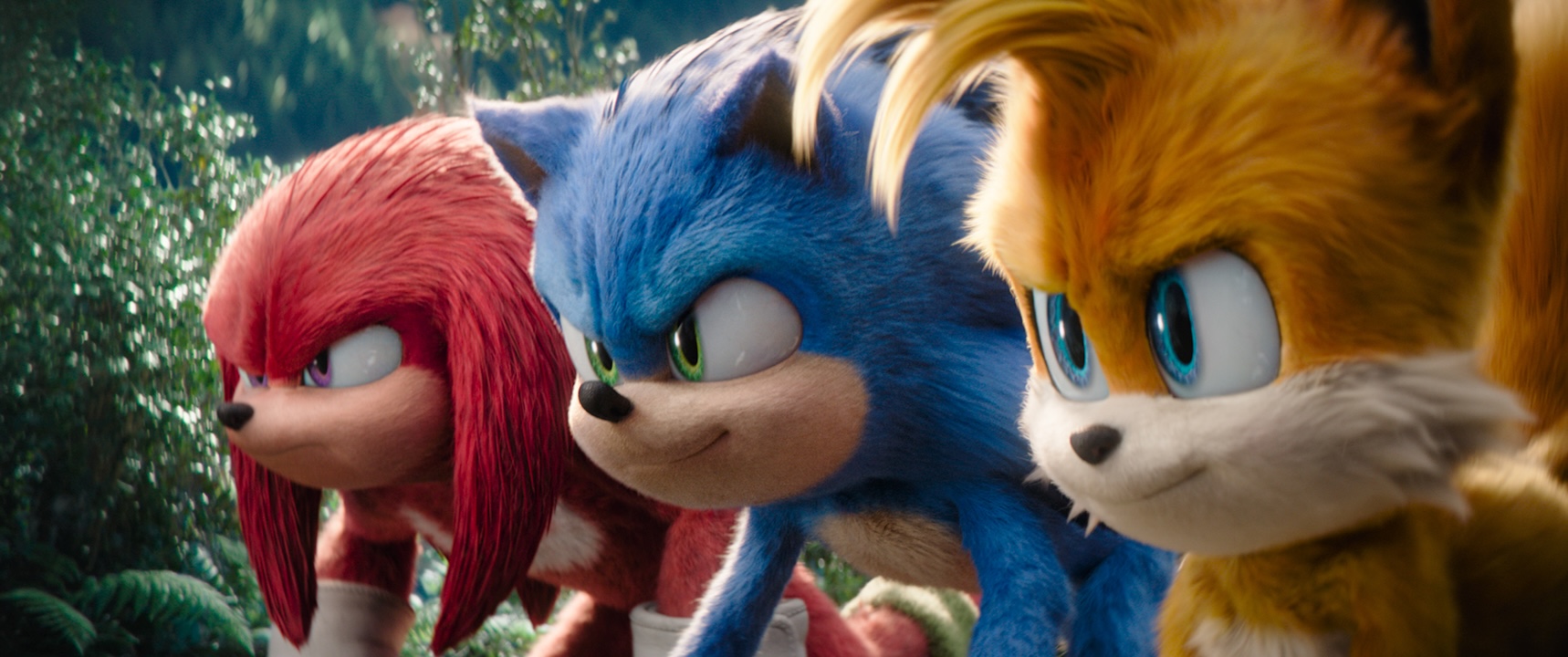
If you’re a certain type of geek, then 2026 is shaping up to be a banner year for cinema. The Super Mario Galaxy Movie is the highest grosser thus far, Markiplier’s Iron Lung was a surprise indie success, and Mortal Kombat II and Street Fighter are poised to be major hits. For another type of geek, 2026 feels like the nail in the coffin. Marvel slouches toward Avengers: Doomsday with a giant shrug, all familiar faces and promotional chair videos, Daredevil: Born Again struggles to find an audience, all while Spider-Man: Brand New Day threatens to overwhelm its central character with an overstuffed cast. James Gunn‘s DCU may be doing interesting things with Supergirl, Clayface, and Lanterns, but they feel far more niche than anything from the genre’s days of dominance.
Video games seem poised to supplant superheroes on the big screen. But that doesn’t mean that the cape and cowl set must fade into obscurity. Here are a few lessons that superhero movies should take from their excited kid siblings to stay relevant as moviegoers’ tastes shift.
Get Silly, But Don’t Be Embarrassed of Yourself
In one of the best parts of Mortal Kombat, Liu Kang attacks Kano with a string of leg sweeps, much to the Aussie’s frustration. Anyone who has played a fighting game gets the joke. Liu Kang is pulling the most basic move of the game, repeatedly crouching and tripping the other player instead of actually getting into the fight. Such moves hardly inspire pride in fighting game enthusiasts, which is why we’re invited to laugh at the maneuver.
However, just as crucially, Mortal Kombat has Liu Kang, the hero of the franchise and the film’s most adept fighter, do the leg-sweeping, and he does it against Kano, one of the series’ most risible characters. Moreover, Liu Kang later pulls off far more impressive moves, including creating a full-on flaming dragon, which the film treats as the coolest thing that ever happened. Because it is.
Superhero movies have long poked fun at their source material, with characters reminding Peacemaker that he wears a toilet bowl for a head or smirking at the name “Otto Octavius.” While these moments do act as invitations to casual fans, ensuring everyone involved that, yes, we know these things are silly, they also work to devalue the material. The best video game movies celebrate the oddities of the games, while the worst superhero entries are, well, Thor: Love and Thunder or She-Hulk: Attorney at Law, which condescend to the viewer as much as they do the comics.
Give the People the What They Want
Some gorgeous animation notwithstanding, no one would contend that the new Super Mario Bros. movies are quality cinema. But they earn millions at the box office, in part, because audiences know the characters. The films don’t just focus on Mario and Luigi, Bowser and Peach. Other oddities burst from the screen, from Dry Bones to Kamek to Rosalina to Wart. The marketing for Street Fighter uses the same strategy, filling the screen with Ken and Ryu in their gis, Guile with a flattop, and Chun-Li her qipao.
The cynic would dismiss these instances as fan service, and they’d be right. But the films want to appeal to fans by taking the beloved stuff from the games and putting it on screen, regardless of realism.
For a while, it felt like the MCU followed suit. As opposed to the ’80s and ’90s, when the Punisher didn’t have a skull logo and Batman mounted machine guns on the Batmobile, Iron Man put Tony Stark in a red and gold suit and Captain America gained his powers from the super soldier serum. But, even then, the movies took liberties that grew increasingly annoying. Peter Parker, a guy who made a deal with the devil to protect his secret identity (and save Aunt May, I know, I know) regularly goes unmasked because we can’t hide Tom Holland‘s mug.
It’s time for comic book movies to just do the characters people love in the costumes they expect, just like the video games are doing.
Do The Thing We Love
For moviegoers of a certain age, cinema reached its peak when a baby zombie dropped onto a chicken, prompting Jack Black to utter this generation’s version of “I could have been a contender” or “Forget it, Jake. It’s Chinatown.” Those words are, of course, “Chicken jockey.”
All old guy snark aside, the chicken jockey phenomenon underscores a truth about modern genre films. Audiences come with expectations, and they get frustrated when the films don’t meet those expectations. Thus, Mario has to get a power up, Lara Croft has to solve a color puzzle, and an animatronic has to do a jump scare. These are more than just easter eggs. They are the primary appeal of the IP.
Superhero movies have never done away with big battles between good guys and bad guys, but they have changed the way they’ve framed their pay-off moments. Gone is the practice of simulating splash pages with flashy oners in The Avengers and Avengers: Age of Ultron, or the two teams in a line clash in Captain America: Civil War. In its place are goopy CGI bits that are supposed to be spectacles, but feel like mandatory beats to be checked off.
Different Genres
With rare exceptions, superheroes movies have a PG-13 rating. Doesn’t matter if they gesture at bleakness like The Batman or try to be frothy like The Marvels. Superhero movies must be PG-13, because they must appeal to everyone to make back their huge budgets.
The current wave of video game movies go for something different. Mario and Sonic films appeal to the masses, as will The Legend of Zelda and A Minecraft Sequel. But Mortal Kombat embraces its hard R rating, as did Return to Silent Hill, Until Dawn, and, presumably, Zach Cregger’s Resident Evil. The surprising hit Iron Lung further shows the genre’s diversity, a crowdsourced first film made by a YouTuber and based on a tiny indie game.
All of the variety we’ve seen so far should inspire superhero moviemakers to do more with their stories. If Clayface can be the horror movie that Mike Flanagan and James Gunn promise, it will be a step in the right direction.
Fix Your Mistakes
The true bellwether of the modern video game movie boom is Sonic the Hedgehog, the 2020 film about a little blue rodent who has to go fast. The last entry made $492.2 million at the box office, in part because it does a lot of things mentioned earlier on this list: it makes Jim Carrey a bald guy with a big mustache, it teams Sonic with Tails and Knuckles and Shadows, and it has him go golden after gathering the chaos emeralds.
But anyone who rewatches the first film will be surprised to find very little of that. The original Sonic movie seems embarrassed of the source material, pairing Sonic with a human on Earth and letting Carrey play Dr. Robotnik as a skinny goofball, not the round weirdo from the games. Yet, with each sequel, the movies have become more and more like the games, giving the fans what they want. True, the first film famously went into expensive reshoots after fans rejected the design of Sonic, giving VFX artists way too much pressure and way too little pay (something the superhero movie business also does, sadly), but the franchise has also course-corrected in less dangerous ways.
Can superhero movies do the same thing? Certainly, Marvel thinks that Avengers: Doomsday will be a crowd-pleaser, bringing back Robert Downey Jr. and the Russos. But, thus far, Doomsday seems to embody everything that annoyed moviegoers about Marvel movies: a film constructed in editing, too many references to other movies, and a reliance on past homework.
If Doomsday fails to reignite Marvel love, will Kevin Feige learn a lesson? If HBO watchers reject Lanterns because of its lack of green, will James Gunn rethink his strategy? If not, it may be game over for superheroes in the cinema.
The post 5 Lessons Superhero Movies Need to Learn From the Video Game Movie Boom appeared first on Den of Geek.