By
By 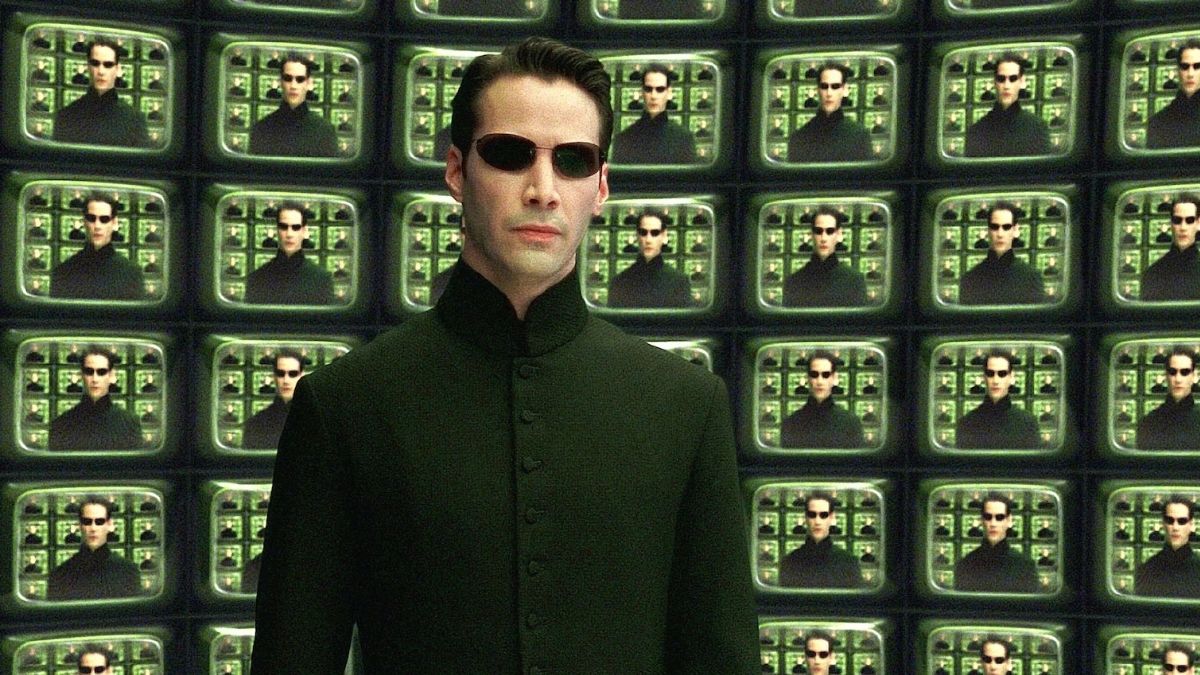
When we hear that a beloved movie of ours is getting a sequel, what we expect is for it to build on what audiences loved the first time around. Sadly, that doesn’t always happen, even if you’d think it is the natural course of action.
It can be a drastic tone shift, overcomplicating the story, or sidelining key characters; what matters is that these follow-ups end up feeling disconnected from what fans expected. While they don’t always become a failure, they most often do, showing that whoever is making the continuation lost what made the original work function.
Indiana Jones and the Kingdom of the Crystal Skull
The original trilogy leaned into grounded pulp adventure, but this sequel introduced sci-fi elements and heavy CGI, which many felt clashed with the series’ tone and stripped away the practical charm fans loved.
The Matrix Reloaded
While the first film balanced philosophy and action, the sequel leaned heavily into exposition and complex lore, losing the clarity and tight storytelling that made the original so impactful.
Pirates of the Caribbean: On Stranger Tides
The original succeeded through character chemistry and adventure, but this entry reduced that balance, focusing more on spectacle while losing the dynamic interactions that defined the series.
Fantastic Beasts: The Crimes of Grindelwald
The first film centered on magical creatures and adventure, but the sequel shifted heavily into complex franchise lore, losing the charm and accessibility that made the original engaging.
Son of the Mask
The original relied heavily on Jim Carrey’s performance and humor, but the sequel replaced that energy with exaggerated effects and a different lead, losing its comedic identity.
Speed 2: Cruise Control
The high-stakes, fast-paced tension of the original was replaced with a slower, less urgent setting, removing the core concept that made the first film so effective.
Alien 3
After the action-driven energy of the previous film, this sequel shifted tone drastically and dismissed key character arcs, frustrating audiences who expected continuity and payoff.
Terminator: Dark Fate
By ignoring previous sequels and altering established character arcs, the film attempted a reset but lost the emotional continuity that made earlier entries resonate.
Batman & Robin
Following a darker tone in earlier entries, this sequel leaned heavily into camp and spectacle, losing the grounded atmosphere that audiences had responded to.
Jaws: The Revenge
The suspense and realism of the original were replaced with an implausible premise, removing the grounded tension that made the first film so effective.
Highlander II: The Quickening
The sequel drastically altered the mythology introduced in the original, confusing audiences and undermining what made the first film compelling.
The Blair Witch 2: Book of Shadows
Instead of sticking with the found-footage realism of the original, the sequel abandoned the format entirely, losing the immersive style that defined its predecessor.
Grease 2
Without the original cast and chemistry, the sequel failed to replicate the charm and cultural impact that made the first film a success.
The Lost World: Jurassic Park
While still successful, the sequel leaned more into action than suspense, moving away from the careful buildup and wonder that defined the original.
Pacific Rim: Uprising
The sequel shifted tone toward a lighter, more generic blockbuster style, losing the distinct visual identity and weight that made the original stand out.
The post 15 Sequels That Totally Ignored What Made the Original Work appeared first on Den of Geek.