By
By 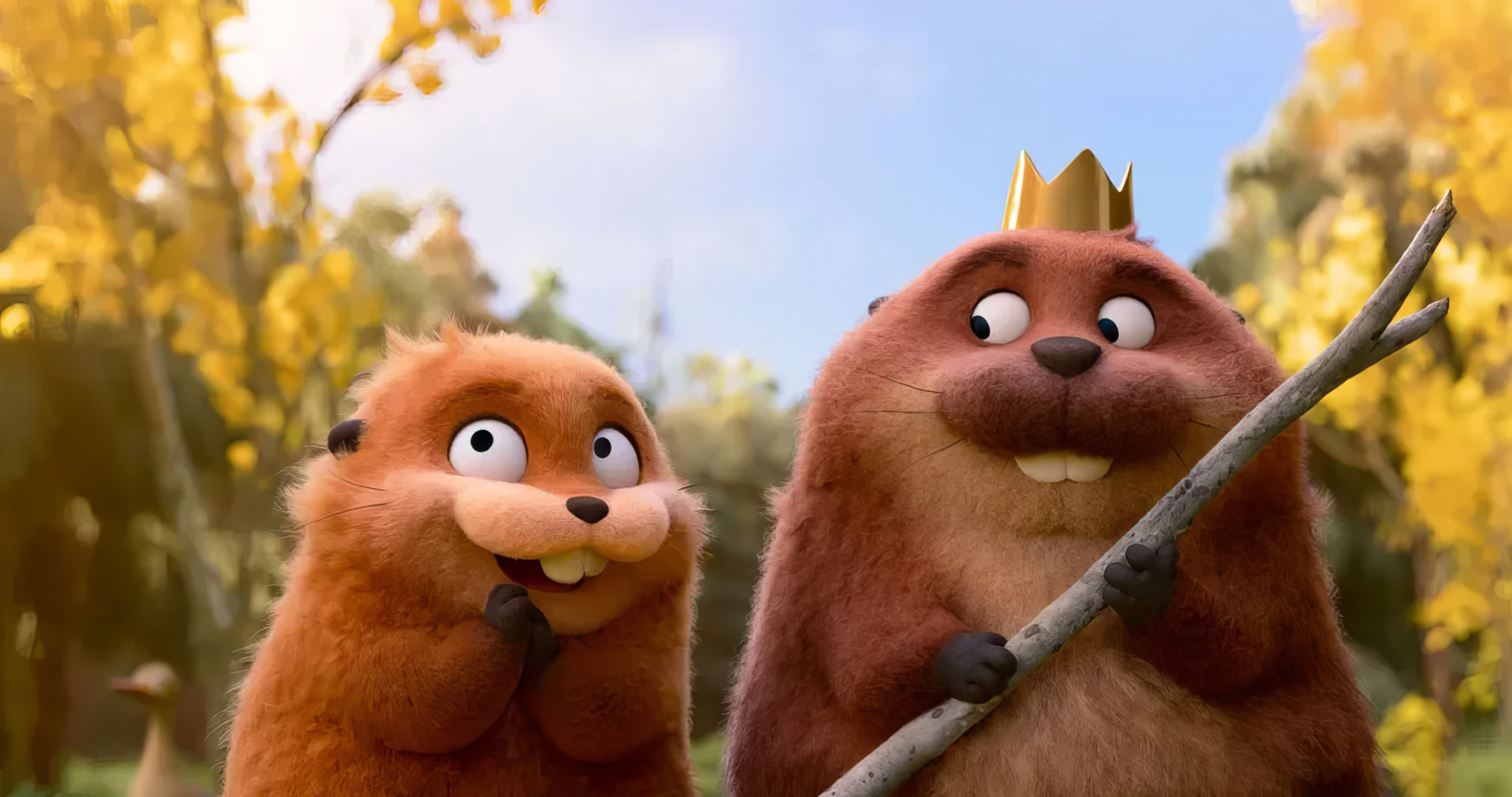
Hoppers (2026)
Act natural.
There are Pixar movies that sneak up on you… and then there’s Hoppers, which bolts out of the gate like a caffeine-fueled robotic beaver on roller skates. From the moment the title spins into view, you can tell Pixar is chasing something audacious, weirdly specific, and — if you let it — wildly, gloriously fun. Yes, it’s bonkers. Yes, it’s noisy. Yes, you will laugh, get a lump in your throat, and maybe lean over to whisper, “What did I just watch?” And yeah… that’s exactly the point.
Leave it to beaver… Pixar did it again.
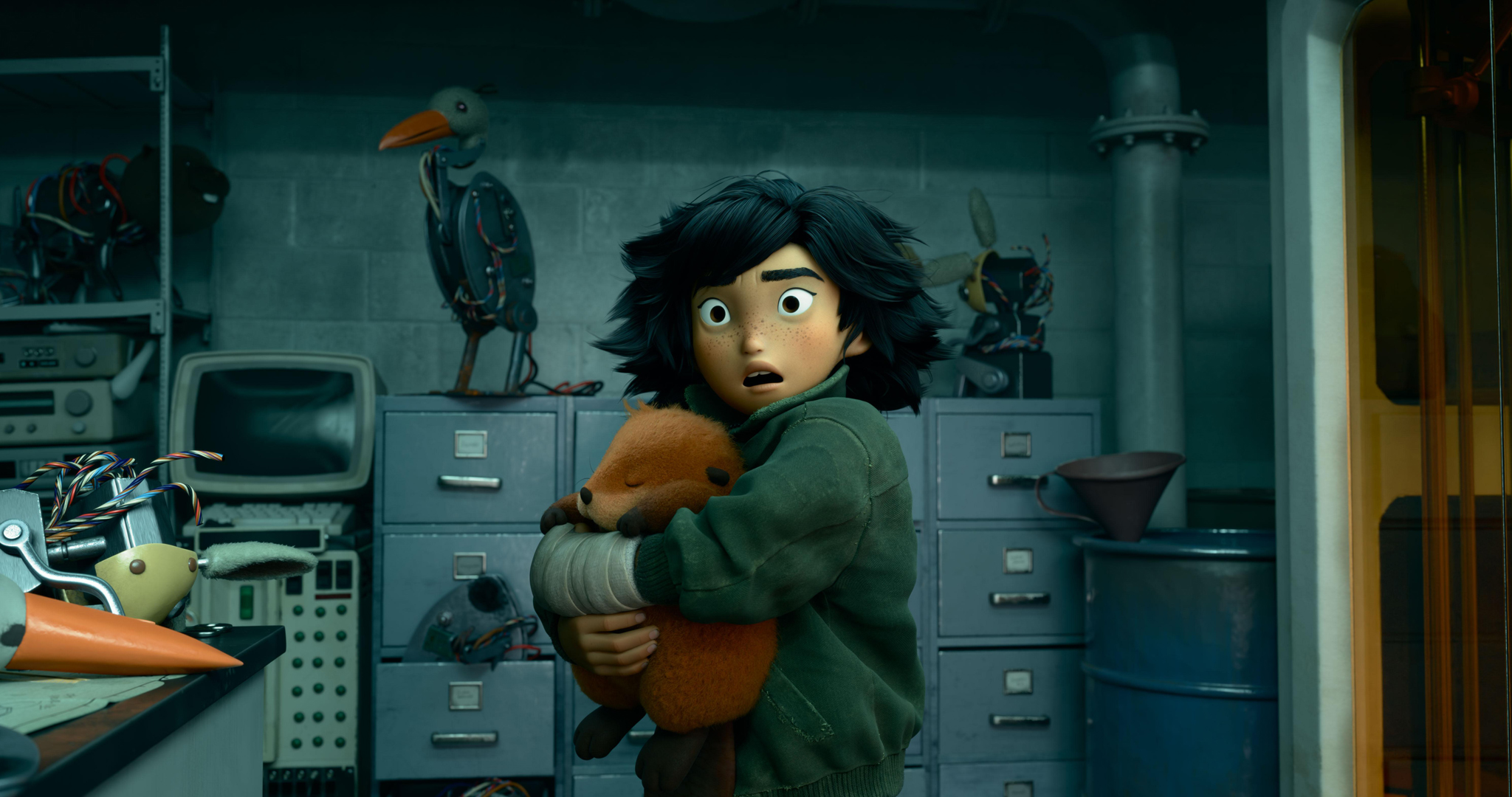
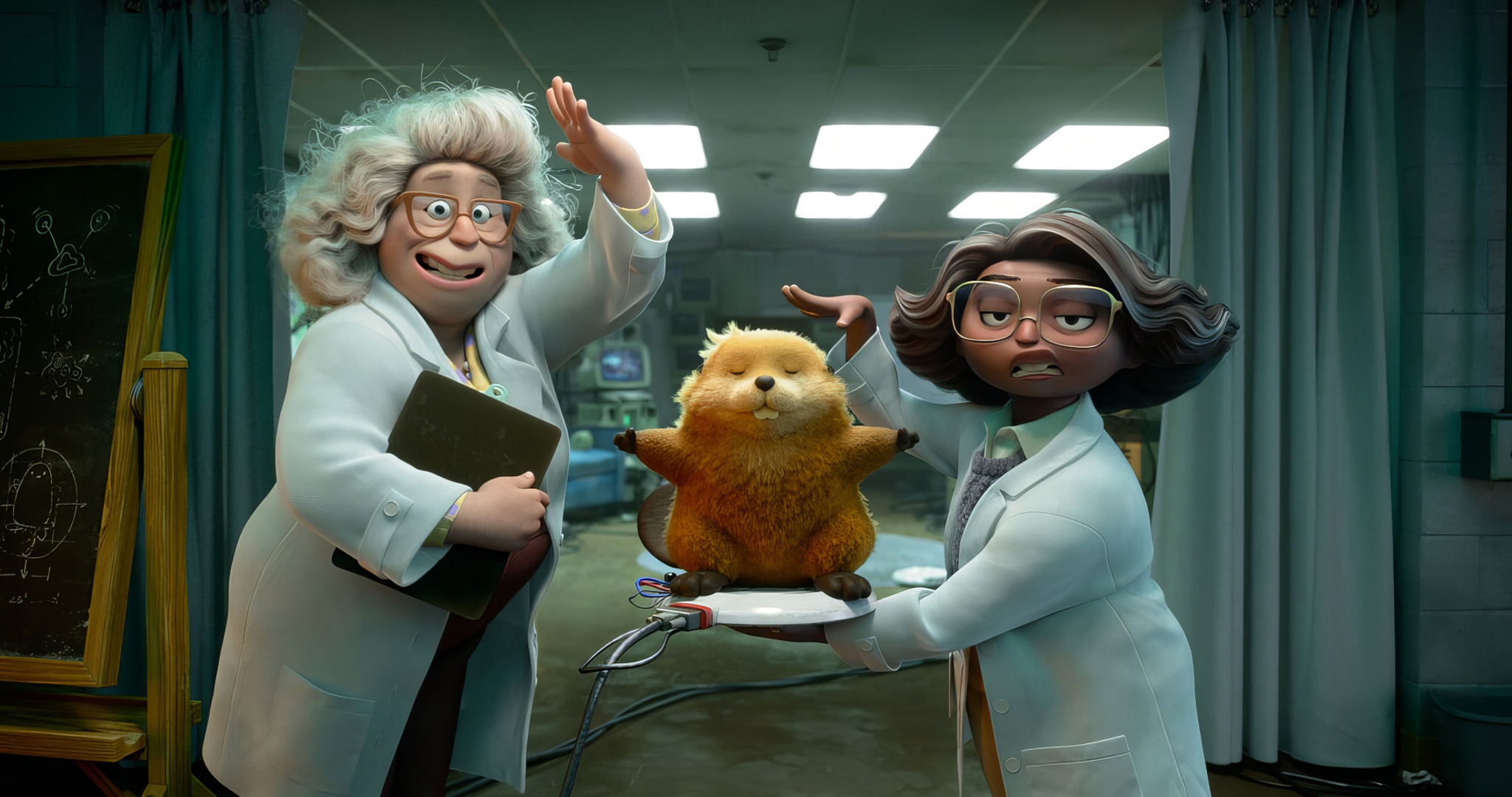
Hoppers introduces us to Mabel Tanaka — a big-hearted college student with an even bigger love for animals, voiced by Piper Curda, whose performance balances curiosity, heart, and just enough awkward charm to make her instantly relatable. When her sleepy town’s cherished forest glade faces destruction from a highway project, Mabel stumbles upon an experimental breakthrough: a system that allows human consciousness to “hop” into a lifelike robotic animal body.
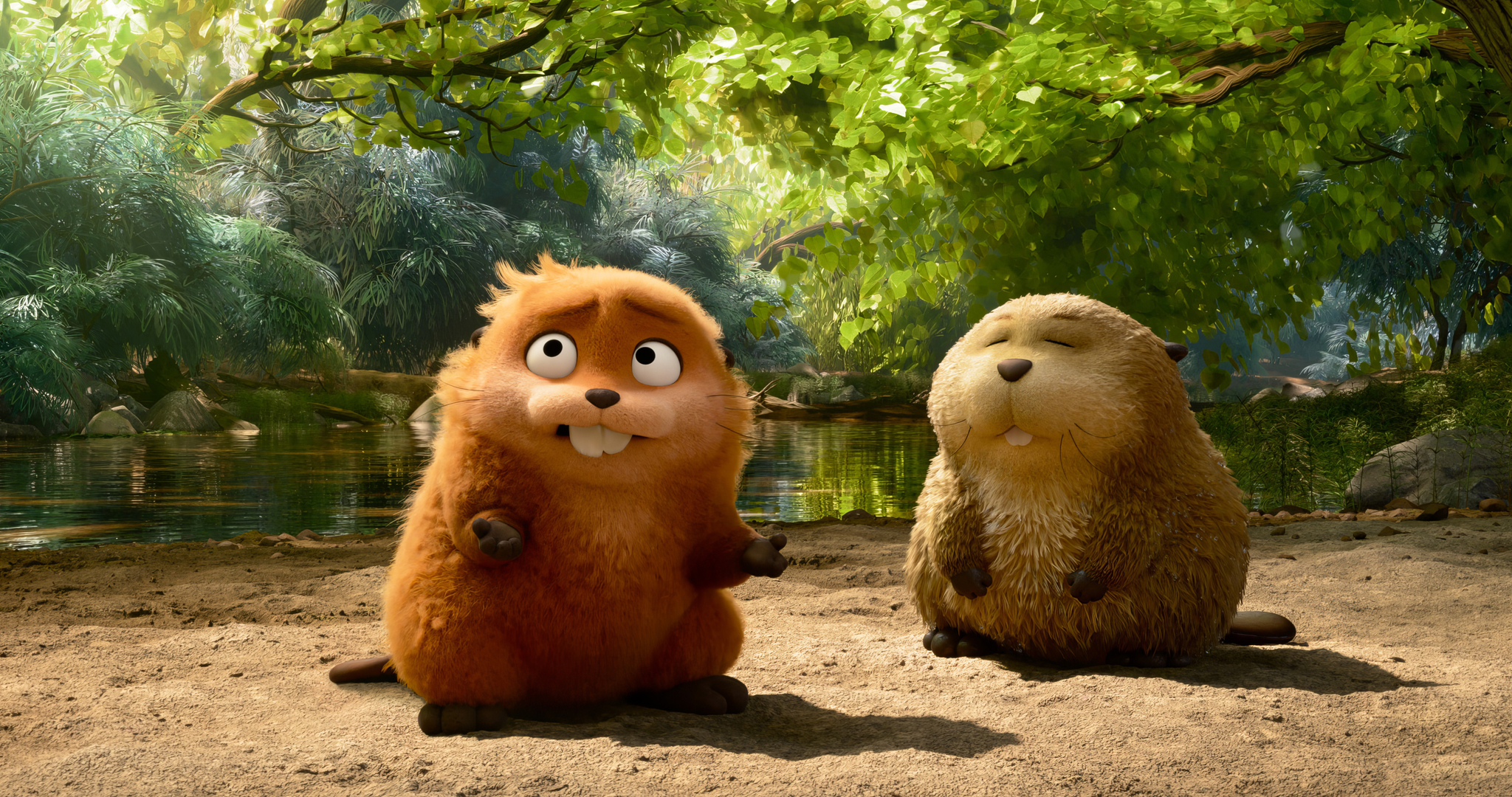
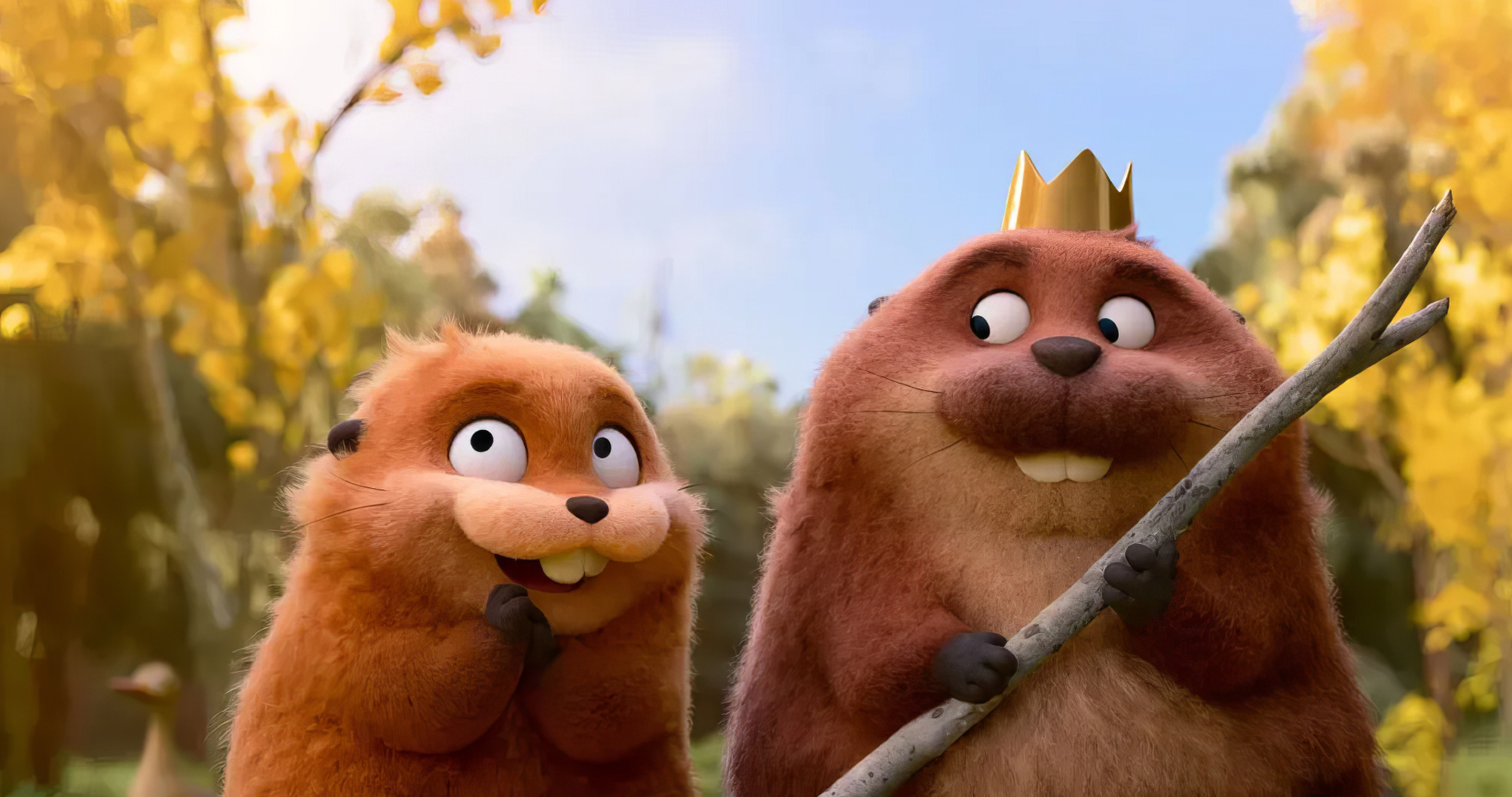
What begins as an eager attempt to communicate with wildlife quickly escalates. Mabel transfers her mind into a robotic beaver and suddenly finds herself navigating fur, instinct, and territory politics from the inside. Partnering with King George (Bobby Moynihan), a boisterous and proudly opinionated beaver, she learns the animal kingdom isn’t just chirps and squeaks — it’s structured, political, and more than ready to fight when its home is threatened.
What follows is a rollicking sci-fi adventure through forests, labs, and increasingly chaotic battlegrounds, as Mabel tries to save the environment while bridging the gap between human and animal worlds.
Dam… someone’s having a moment.
Marking his directorial debut, Daniel Chong brings Hoppers to life from a story he co-created, with a screenplay by Chong and Jesse Andrews. The result is a technical joyride that leans into Pixar’s strengths while carving out a visual identity of its own. The film flexes a clever use of perspective that actively serves the storytelling. Scenes shift depending on whether we’re seeing the world from a human or animal viewpoint — beavers and other critters appear softer and more whimsical within the animal realm, but when humans enter the frame, those same creatures take on more grounded, naturalistic motion. It’s not just visual flair — it’s a deliberate choice that subtly reinforces the film’s core idea and pulls you deeper into its emotional logic.
The animal designs are expressive without ever tipping into the uncanny. Eyes dart in ways that blend real animal behaviour with emotional cues that read as distinctly human, giving each character a genuine presence. Personality comes through clearly in movement, reaction, and interaction, with animation doing as much storytelling as the dialogue. The environments follow suit — lush forest glades, soft morning light, and sweeping glimpses of human encroachment all feel textured, layered, and alive. It’s the kind of animation that rewards repeat viewing, with fresh details surfacing each time.
At first glance, Hoppers plays like a familiar “girl and critters save the day” setup — almost Avatar by way of beavers — but it quickly digs deeper. Beneath the playful chaos sits an earnest message about empathy, environmental stewardship, and learning to communicate across divides. These ideas are woven into the fabric of the story rather than spelled out. At the same time, the film isn’t afraid to cut loose. There are moments where Hoppers leans fully into Looney Tunes-style energy — not through random gags, but through escalating physical chaos, where movement, timing, and perspective collide in ways that feel inventive without tipping the whole thing off balance.
Mabel’s journey isn’t just physical — it’s emotional. She begins as someone driven and well-meaning, but not always listening. Experiencing the world through another form forces her to recalibrate, to see rather than assume. It’s a simple idea, but executed with enough sincerity that it lands.
And yes — the escalation is part of the fun. What starts small builds into something far bigger, with rising stakes and increasingly chaotic energy. The humor grows broader, but never loses its connection to character. Pixar continues to show how well it can balance absurdity with genuine emotional weight.
True Pixar fans will love the finer details: background gags, clever world rules, and an ensemble voice cast that elevates every line. Jon Hamm stands out as Mayor Jerry Generazzo, bringing a smooth, self-assured edge, while Kathy Najimy’s Dr. Sam adds warmth and grounding. Bobby Moynihan brings bluster and sharp comedic timing to King George, and Dave Franco injects just enough eccentricity into the Insect King to make him pop. The film feels fully inhabited — not just visually, but through rhythm, performance, and interaction.
Hoppers isn’t just another animated flick — it’s a hectic, thoughtful, genuinely entertaining Pixar original that blends goofy thrills with a surprising emotional backbone. It’s silly enough for kids, smart enough for adults, and paced with confidence.
This kingdom is under construction.
It’s a concept that shouldn’t work this smoothly — consciousness transfer, robotic animals — and yet Pixar finds the humanity in it, grounding Mabel’s journey even as she’s living life in a body that isn’t her own. That’s a rare trick, and one the film pulls off with style.
Will Hoppers be the next Wall-E or Toy Story? Maybe not — it doesn’t quite reach those heights — but it absolutely sticks the landing on its own terms. Expect laughs, color, a few choked-up moments, and a weird sense of existential respect for beavers you never knew you needed.
Hoppers doesn’t just hop onto the screen — it leaps, bounds, and belly-flops straight into the heart. A little wild, a little weird, but undeniably fun — this is one Pixar swing that’s well worth the jump.
4 / 5 – Recommended
Reviewed by Stu Cachia (S-Littner)
Hoppers is distributed by Disney Australia