By
By 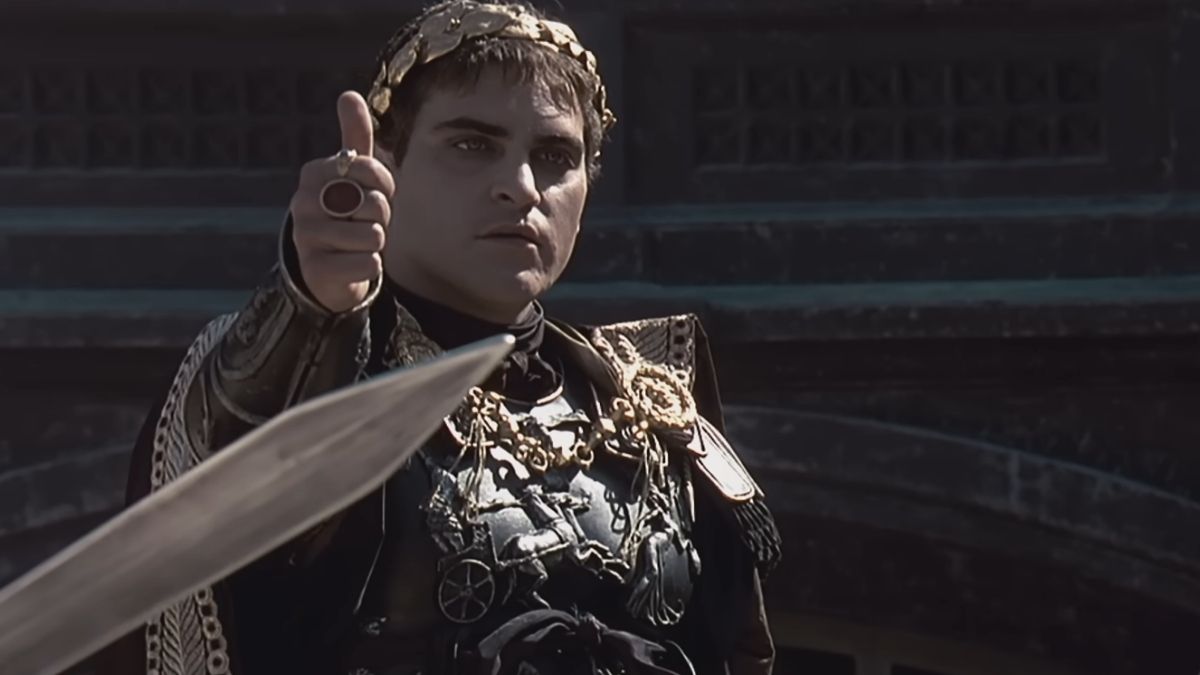
We like to consider ourselves as savvy individuals that can spot tricks when they are made, even though the point of movie magic is to not look behind the curtain. But some curtains are so well hidden that they might as well be walls, at least until you notice them.
These facts, while fun, also lets us enjoy the real artistry of movie making. Not everything is CGI, a lot requires creativity, and it certainly isn’t obvious on first viewing. Lets dive into a few of the incredible ways that movies are made, and that you might not yet know.
The Lord of the Rings
The size difference between hobbits and humans was often achieved with forced perspective and scaled sets, not CGI, making interactions feel natural without digital effects.
Psycho
The famous shower scene used chocolate syrup as blood because it looked more convincing than real blood in black-and-white filming.
Jurassic Park
The T-Rex’s roar is a mix of animal sounds like elephants and tigers, since we have no way of knowing what dinosaurs sounded like, making the iconic sound entirely synthetic.
The Matrix
The green tint in Matrix scenes subtly signals the simulated world, while real-world scenes use cooler tones, a visual cue many viewers only notice later.
Titanic
Many background extras were digitally duplicated to make crowds appear larger, blending practical filming with early CGI in a way most never notice.
Star Wars
Lightsaber sounds were created by combining projector hums and TV interference, turning everyday noises into one of cinema’s most recognizable effects.
Jaws
The shark is rarely shown clearly because mechanical issues limited its use, unintentionally increasing suspense by leaving more to the imagination.
Inception
The slowed-down version of “Non, je ne regrette rien” is embedded in the score, tying the film’s music directly to its time mechanics.
Harry Potter film series
The moving staircases weren’t fully CGI; many were practical builds combined with digital extensions to create believable shifting environments.
The Godfather
The film’s dim lighting was a deliberate stylistic choice to create a somber tone, not a limitation of equipment as some people tend to assume.
Gladiator
Large portions of the Colosseum were digitally added, with only partial sets constructed, blending practical and CGI elements seamlessly.
The Avengers
Many city destruction scenes combine real locations with digital overlays, making CGI feel grounded by anchoring it to real-world environments.
Mad Max Fury Road
Despite its reputation for CGI, most stunts were practical, with digital effects mainly used to enhance or clean up real footage.
E.T. the Extra-Terrestrial
The animatronic E.T. combined multiple puppeteers and mechanical systems, creating lifelike expressions without relying on digital effects.
The Social Network
The Winklevoss twins were portrayed using one actor’s performance mapped onto another’s body, creating the illusion of identical twins seamlessly.
The Shining
The hotel layout is intentionally inconsistent, creating subconscious unease as spaces don’t logically connect the way real architecture would.
Spider-Man
Many web-swinging shots combine practical stunts with CGI, creating a hybrid effect that feels more grounded than fully digital animation.
The post 17 Movie Fun Facts You Didn’t Know You Didn’t Know appeared first on Den of Geek.