By
By 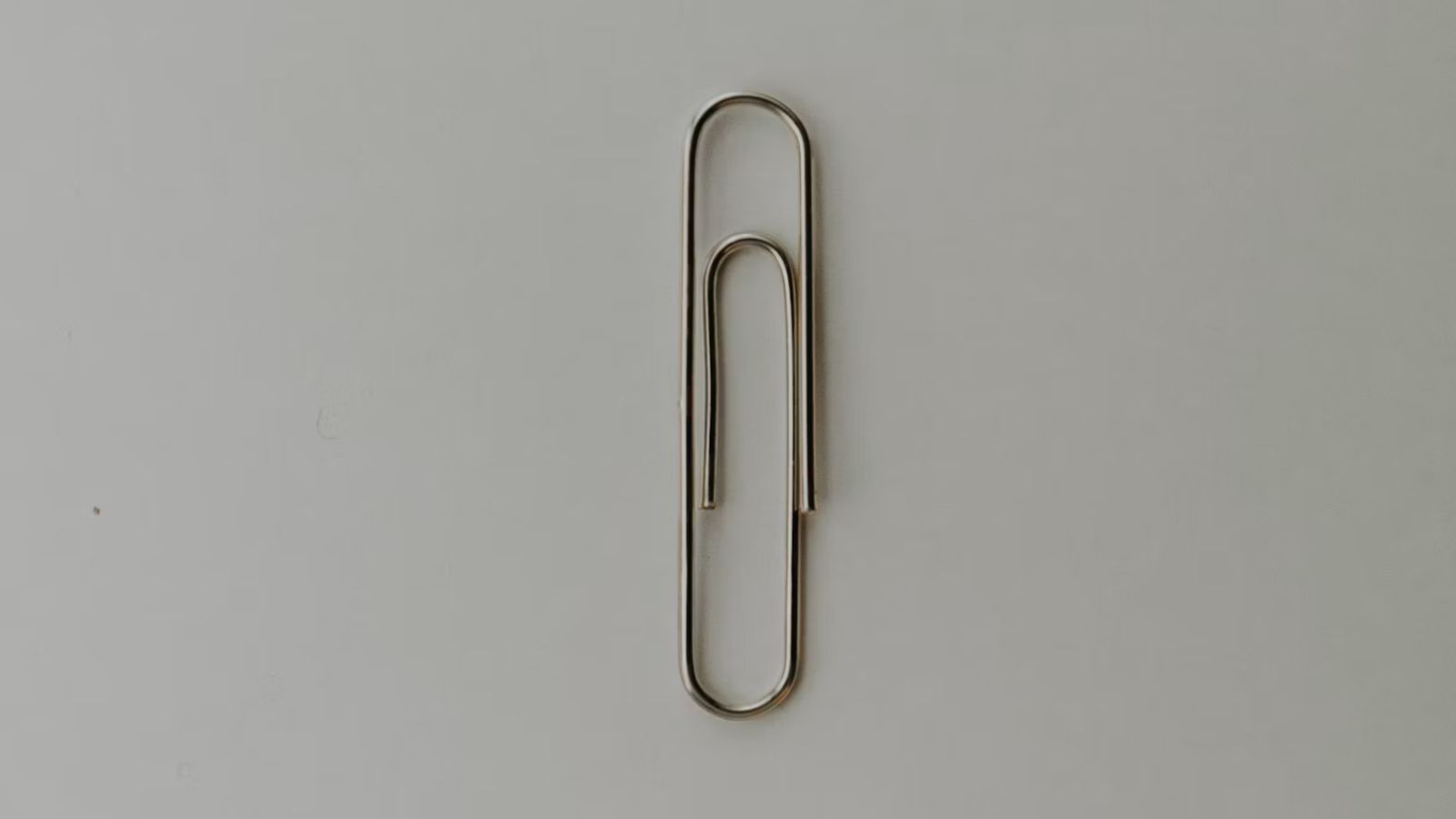
Throwing money at a problem is always an option, but history has repeatedly shown that the clever solution can be surprisingly cheap. Some familiar products, inventions, movie tricks, and everyday fixes exist because somebody had limited time, a tiny budget, or simply no interest in building something more complicated. Instead, they grabbed an ordinary object, simplified an expensive idea, or found a workaround that did the job better than the elaborate alternative. A few were only supposed to be temporary solutions, yet worked so well that they became permanent. Others became iconic precisely because their limitations forced people to get creative. Here are 15 times the cheapest solution became the best.
©Unsplash
NASA Used a Simple Plastic Pen Holder to Fix Apollo 13
After an explosion crippled Apollo 13, engineers had to make incompatible carbon dioxide filters work together using only materials available aboard the spacecraft. Their improvised solution relied on ordinary items including plastic bags, cardboard, and duct tape.
©Unsplash
The First Computer Mouse Used a Wooden Shell
Doug Engelbart’s early computer mouse hardly looked like futuristic technology. The prototype was housed inside a simple wooden box, proving the basic idea worked without requiring an elaborate design.
©Unsplash
Cardboard Beds Became an Olympic Village Staple
Organizers at the Tokyo Olympics famously used recyclable cardboard bed frames in athletes’ rooms. Despite jokes about their construction, the lightweight frames were engineered to support substantial weight and could be recycled afterward.
©Unsplash
Movie Rain Is Often Just Water Sprayed Into the Air
Waiting for real rain would make filmmaking painfully unpredictable, so productions simply manufacture their own. Sprinklers and rain rigs create consistent downpours exactly where cameras need them, making the fake version far more useful than the real thing.
©Unsplash
A Paper Clip Helped Save Early Macintosh Production
During the development of early personal computers, engineers regularly relied on improvised tools to solve surprisingly technical problems. Simple household objects could sometimes accomplish jobs that specialized equipment made unnecessarily complicated.
©Unsplash
Shipping Containers Became Buildings
A steel box designed to move cargo eventually became an inexpensive building block for homes, shops, and offices. Their standardized dimensions and enormous availability made containers an appealing shortcut compared with constructing some structures from scratch.
©Unsplash
Pool Noodles Became Professional Equipment
The humble foam pool noodle has escaped the swimming pool entirely. Its cheap, lightweight construction makes it useful for protecting equipment, cushioning sharp edges, organizing cables, and countless other improvised jobs.
©Unsplash
Binder Clips Became Cable Organizers
There are elaborate products designed specifically to stop charging cables from falling behind a desk. A binder clip attached to the edge can accomplish essentially the same task for almost nothing.
©Unsplash
Tennis Balls Became Parking Guides
Drivers have spent decades using an almost comically simple garage parking system: hang a tennis ball from the ceiling. When it touches the windshield, the car is exactly where it needs to be.
©Unsplash
Newspaper Became a Surprisingly Good Glass Cleaner
Before shelves filled with specialized cleaning cloths, crumpled newspaper was commonly used to clean windows. The readily available paper could wipe glass without leaving the lint associated with many cloth towels.
©Unsplash
Pantyhose Became an Emergency Fan Belt
For decades, drivers passed around the trick of using pantyhose as a temporary replacement for a broken engine belt. It was never meant to be permanent, but in the right older car it could sometimes get a stranded driver a little farther down the road.
©Unsplash
Bread Clips Became Tiny Labels
Those little plastic tabs designed to close bread bags have a convenient second life around the house. Writing on them and clipping them around cables creates instant labels without buying dedicated organizers.
©Unsplash
Egg Cartons Became Seed Starters
Gardeners do not necessarily need trays made specifically for starting seedlings. The individual compartments in cardboard egg cartons are already perfectly sized for small amounts of soil and can be cut apart when plants are ready to move.
©Unsplash
Vinegar Became the Cleaning Aisle’s Biggest Competitor
Specialized cleaning products exist for practically every surface, but diluted white vinegar continues to handle plenty of basic household jobs. Its low price and versatility have kept the old-fashioned solution around despite countless newer alternatives.
Zip Ties Became the Universal Temporary Repair
They were designed for bundling electrical cables, but zip ties quickly became useful for practically anything that needed to stay attached. Cheap, strong, and ridiculously simple, they are now an emergency fix in toolboxes everywhere.
The post 15 Times the Cheapest Solution Became the Best appeared first on Den of Geek.