By
By 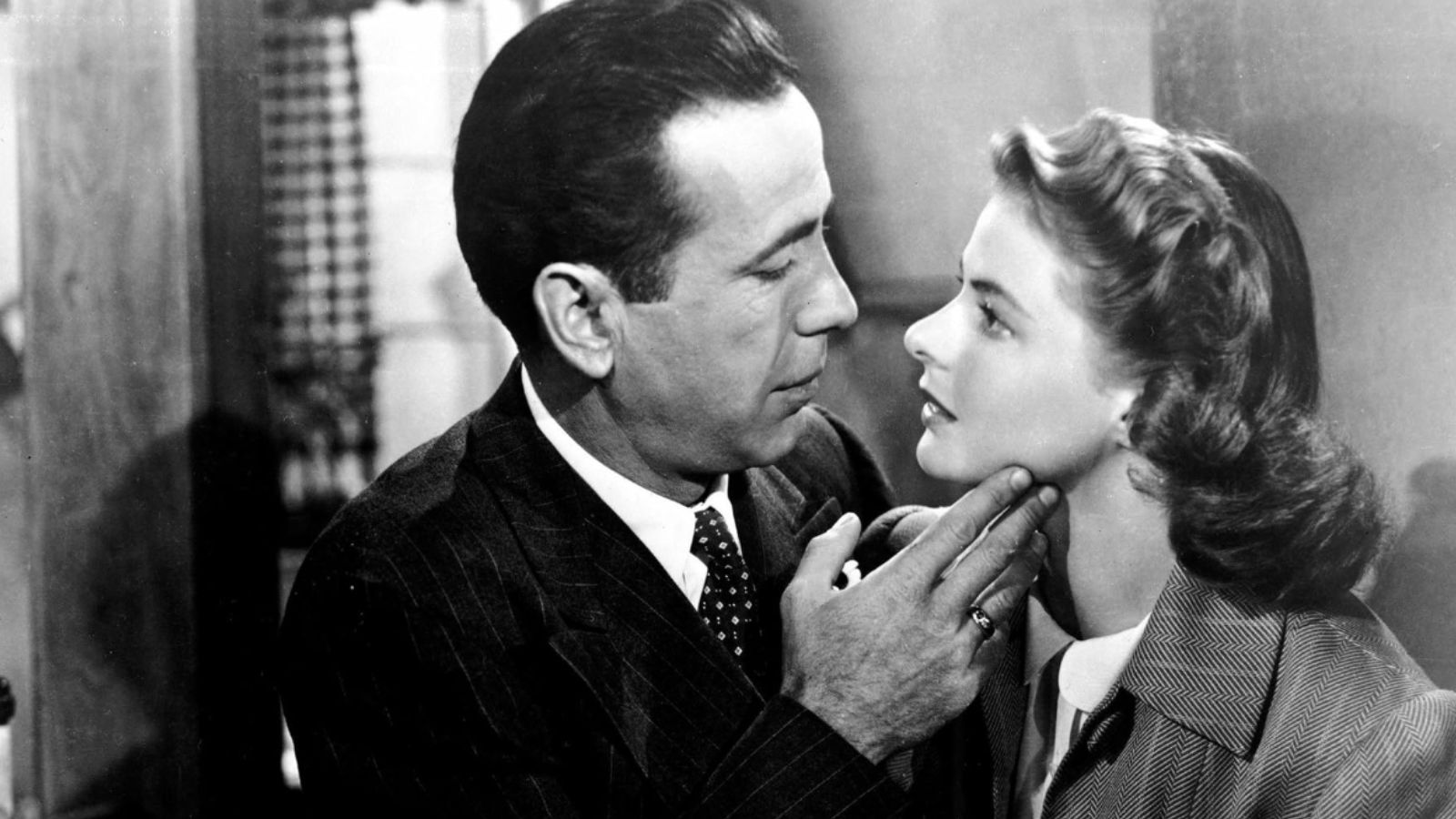
Some movies are great, some are iconic, and then there are the ones that simply feel like the definition of a classic. They are the films people reference decades later, the ones that constantly appear on must-watch lists, and the ones even non-movie fans can usually recognize from a single scene or line. A classic does not necessarily have to be old, either. Some movies earned that status surprisingly quickly by influencing everything that came after them. From Hollywood’s golden age to blockbusters that completely changed popular culture, these films have become almost impossible to separate from movie history itself. Here are 15 movies we think of when we hear the word ‘classic’.
©IMDb
Casablanca (1942)
Few movies fit the word “classic” as naturally as Casablanca. Its romance, wartime setting, endlessly referenced dialogue, and Humphrey Bogart and Ingrid Bergman’s performances have kept it firmly embedded in popular culture for more than 80 years.
©IMDb
The Wizard of Oz (1939)
Dorothy stepping from sepia-toned Kansas into the colorful world of Oz remains one of cinema’s most recognizable transitions. Generations have grown up with the songs, characters, and yellow brick road, making this one of those rare movies that barely needs an introduction.
©IMDb
Gone With the Wind (1939)
Whatever debates surround the movie’s depiction of the Civil War and slavery today, its place in Hollywood history is enormous. The epic scale, lavish production, and performances made it one of the defining films of the studio era.
©IMDb
Citizen Kane (1941)
Citizen Kane spent decades being held up as one of the greatest movies ever made, and its influence extends far beyond rankings. Orson Welles and cinematographer Gregg Toland experimented with storytelling, editing, sound, and deep-focus photography in ways filmmakers are still studying.
©IMDb
Singin’ in the Rain (1952)
A movie about Hollywood’s awkward transition from silent films to talkies somehow became one of Hollywood’s most enduring musicals. Gene Kelly’s rain-soaked title number alone has been referenced and recreated countless times since.
©IMDb
12 Angry Men (1957)
Most of 12 Angry Men takes place in one room, yet it rarely feels limited by its setting. Its tense jury-room debate and focus on prejudice, evidence, and reasonable doubt helped turn a relatively simple premise into a film that remains remarkably gripping.
©IMDb
Psycho (1960)
Alfred Hitchcock made audiences afraid of something as ordinary as taking a shower. Psycho broke plenty of filmmaking conventions along the way, and the famous shower sequence remains recognizable even to people who have never actually watched the entire movie.
©IMDb
Breakfast at Tiffany’s (1961)
Audrey Hepburn standing outside Tiffany & Co. in a black Givenchy dress became an image almost inseparable from old Hollywood glamour. Some aspects of the film have aged poorly, but Holly Golightly remains one of Hepburn’s defining roles.
©IMDb
The Sound of Music (1965)
Few musicals have stayed as deeply embedded in family movie culture as The Sound of Music. Julie Andrews spinning through the Austrian Alps, along with songs like “Do-Re-Mi” and “My Favorite Things”, helped give the movie a life far beyond its original release.
©IMDb
The Godfather (1972)
Francis Ford Coppola turned a crime-family saga into one of the most celebrated films in American cinema. Between Marlon Brando’s Don Corleone, its unforgettable dialogue, and its influence on nearly every gangster movie that followed, its classic status is difficult to argue with.
©IMDb
Jaws (1975)
Steven Spielberg transformed a shark thriller into the movie commonly credited with helping establish the modern summer blockbuster. Its suspense, John Williams’ instantly recognizable score, and enormous box-office success changed the way Hollywood thought about releasing big movies.
©IMDb
Rocky (1976)
Rocky Balboa running up the steps of the Philadelphia Museum of Art became one of cinema’s definitive underdog images. The movie’s combination of sports, romance, and a genuinely vulnerable central character helped it endure far beyond the franchise it eventually created.
©IMDb
Star Wars (1977)
The original Star Wars changed what audiences expected from a blockbuster and turned its characters, music, and fictional universe into pieces of global pop culture. Decades of sequels and spin-offs followed, but that first trip to a galaxy far, far away remains the foundation.
©IMDb
Back to the Future (1985)
A DeLorean, a flux capacitor, and one extremely complicated family situation were enough to create one of the defining movies of the 1980s. Back to the Future manages to be a science-fiction adventure, comedy, and coming-of-age story without allowing any one element to overwhelm the others.
©IMDb
Titanic (1997)
Titanic became the kind of cultural phenomenon that rarely happens even with enormous blockbusters. James Cameron combined historical spectacle with Jack and Rose’s fictional romance, creating a movie that dominated theaters, awards season, and pop culture all at once.
The post The 15 Movies We Think of When We Hear the Word ‘Classic’ appeared first on Den of Geek.