By
By 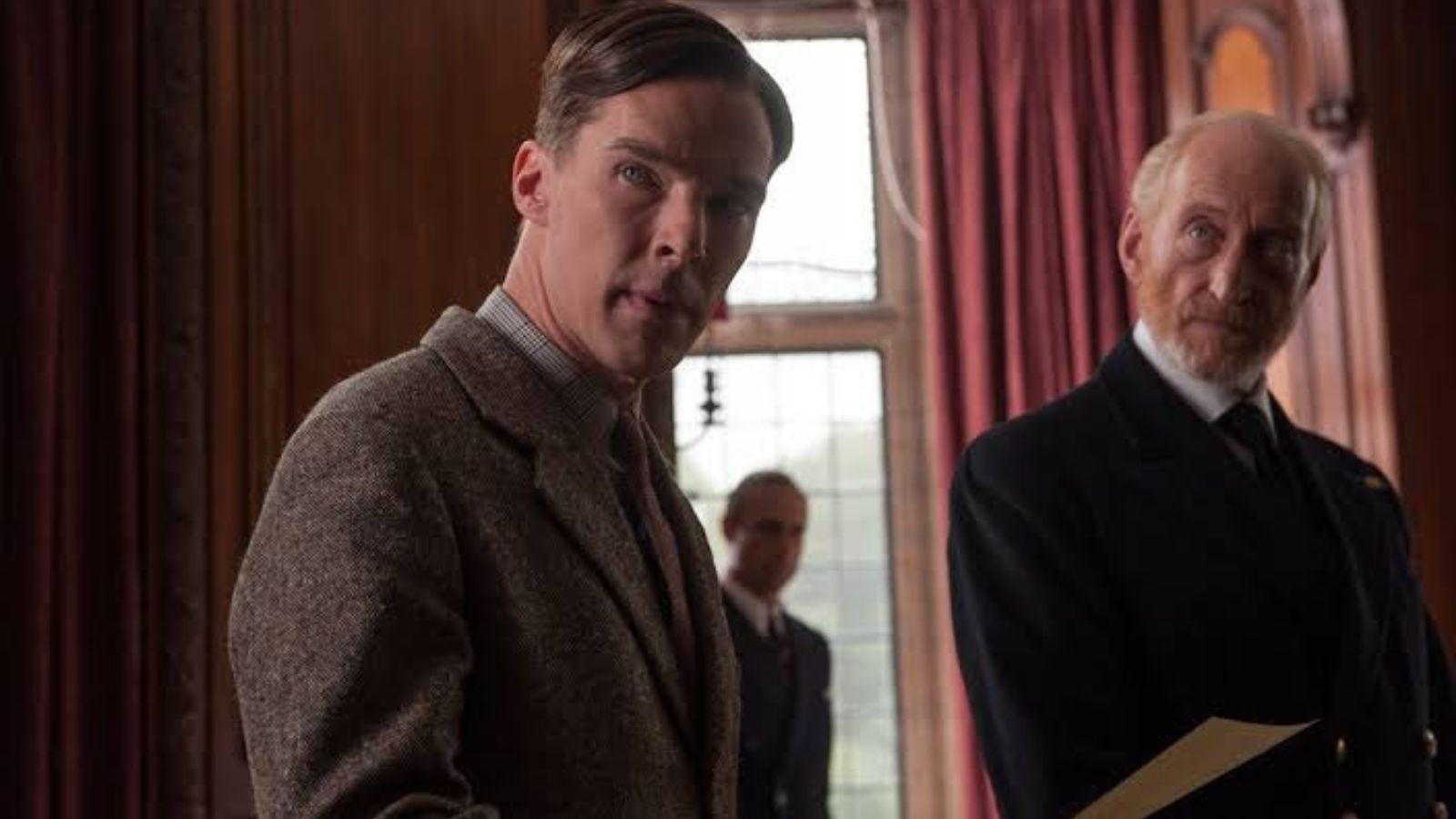
Historical movies have never been required to behave like history textbooks, but some take that freedom to impressive extremes. A real person can become an entirely different character, major events can happen years apart, and fictional stories can be dropped into moments that barely resemble what actually happened. Sometimes filmmakers simplify complicated events for dramatic reasons, while other movies seem to treat historical accuracy as an optional extra. The result can be entertaining, memorable, and occasionally completely ridiculous. These fifteen films all borrowed real people, places, or events and then took some serious creative liberties with the facts. If you are watching them for history lessons, you may want to keep a textbook nearby.
IMDb
Braveheart (1995)
William Wallace did not have a romance with Princess Isabella, who was only a child during his lifetime, and the famous blue face paint was not historically accurate either, making the movie’s version of medieval Scotland highly fictionalized.
IMDb
The Patriot (2000)
Mel Gibson’s Benjamin Martin is fictional, but the movie also rearranges Revolutionary War events and combines characteristics from several real figures, creating a story that bears only a loose relationship to the historical conflict.
IMDb
300 (2006)
The Battle of Thermopylae really happened, but the movie fills it with monstrous creatures, fantastical warriors, wildly exaggerated costumes, and supernatural imagery that turns ancient history into comic book mythology.
IMDb
Pearl Harbor (2001)
The movie places a fictional love triangle directly inside the attack on Pearl Harbor and dramatically rearranges several events, while its central characters are invented rather than historical figures.
IMDb
The Greatest Showman (2017)
P. T. Barnum was a real showman, but the film transforms his complicated life into an inspirational musical while heavily simplifying his career, relationships, and involvement with the circus.
IMDb
The Last Samurai (2003)
The movie’s Nathan Algren is fictional, and the story combines several historical events and figures, particularly the Satsuma Rebellion, into a much cleaner story about an American soldier joining the samurai.
IMDb
The Imitation Game (2014)
Alan Turing really did play a crucial role at Bletchley Park, but the film invents or heavily alters several events, including a fictional Soviet spy subplot and the nature of Turing’s relationship with fellow codebreakers.
IMDb
The King (2019)
The movie draws heavily from Shakespeare’s Henry plays rather than historical records, turning Henry V into a reluctant young king and inventing major events and characters around the real Battle of Agincourt.
IMDb
Elizabeth (1998)
Cate Blanchett’s Queen Elizabeth I is surrounded by real historical figures, but the film compresses years of political events and creates fictional romantic and conspiratorial elements that make Tudor history considerably more dramatic.
IMDb
The Last Duel (2021)
The central duel between Jean de Carrouges and Jacques Le Gris really happened in medieval France, but the film presents the story through three deliberately conflicting perspectives and necessarily dramatizes many details that cannot be established with certainty.
IMDb
Argo (2012)
The CIA really did use a fake science fiction movie as cover for rescuing American diplomats from Iran, but the film significantly exaggerates the airport escape and minimizes Canada’s crucial role in the operation.
IMDb
A Beautiful Mind (2001)
John Nash was a real mathematical genius, but the movie changes major parts of his personal story, including his relationships and the way his mental illness manifested, creating a much more conventional Hollywood narrative.
IMDb
Gladiator (2000)
Maximus is entirely fictional, and the movie radically changes the real Emperor Commodus, who did not murder his father Marcus Aurelius or become involved in the same revenge story portrayed by Russell Crowe.
IMDb
The Social Network (2010)
reconstructed from conflicting accounts, while Eduardo Saverin and Mark Zuckerberg’s relationship was heavily dramatized for the screenplay.
IMDb
Amadeus (1984)
Wolfgang Amadeus Mozart and Antonio Salieri were real people, but there is no solid evidence that Salieri plotted Mozart’s death, making the central rivalry and poisoning storyline one of cinema’s most famous historical inventions.
The post 15 Movies That Decided History Was Just a Suggestion appeared first on Den of Geek.