By
By 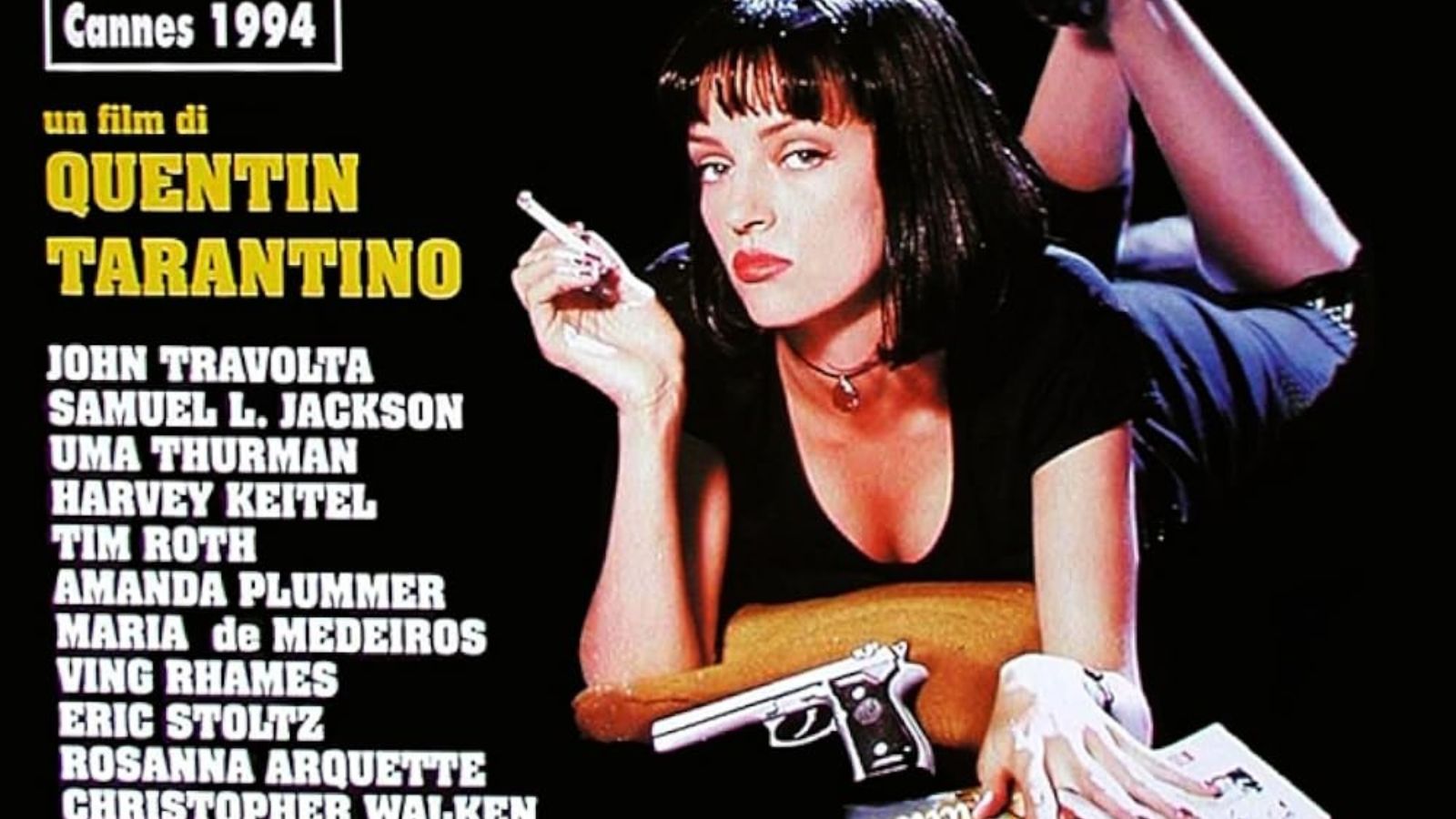
Some movies survive surprisingly bad decisions. A casting choice nearly changes everything, a studio demands a rewrite, a director is replaced, or someone in charge makes a call that threatens to derail an otherwise promising production. In a few cases, the mistake is caught before release, while others leave a permanent mark on the finished film. What makes these stories fascinating is how close some beloved movies came to becoming something completely different. The right person eventually pushes back, a better idea wins the argument, or sheer luck intervenes at exactly the right moment. Here are fifteen movies that came dangerously close to being defined by one terrible decision.
IMDb
Back to the Future (1985)
The biggest threat to the movie was not the story but the original casting of Eric Stoltz as Marty McFly, with several weeks of footage eventually scrapped after filmmakers decided his dramatic approach was not working for the tone they wanted.
IMDb
The Godfather (1972)
Paramount executives reportedly wanted someone other than Al Pacino for Michael Corleone, while director Francis Ford Coppola fought to keep him in the role that ultimately became the center of the entire film.
IMDb
Jaws (1975)
The decision to rely on a mechanical shark created enormous production problems when Bruce repeatedly malfunctioned, forcing Steven Spielberg to hide the creature and build suspense around what audiences could not see.
IMDb
The Lord of the Rings: The Fellowship of the Ring (2001)
New Line initially considered making the trilogy as two movies, a decision that could have radically compressed Tolkien’s story before Peter Jackson and his team successfully pushed for three films.
IMDb
The Shawshank Redemption (1994)
The studio wanted a more commercial title and worried about the movie’s bleak prison setting, but the production stayed committed to the story despite concerns that audiences would not connect with it.
IMDb
Titanic (1997)
The enormous production budget became a serious concern as costs kept climbing, with studio executives increasingly worried that James Cameron’s ambitious project had become an uncontrollable financial gamble.
IMDb
Alien (1979)
The decision to keep the actors unaware of exactly how the chestburster scene would play out created genuine terror on set, but Ridley Scott’s approach could easily have gone badly if the reactions had not worked on camera.
IMDb
The Matrix (1999)
Will Smith turned down the role of Neo after being presented with the project, a decision he later acknowledged with humor after Keanu Reeves helped turn the character into one of cinema’s most recognizable science fiction heroes.
IMDb
Die Hard (1988)
The studio originally had doubts about Bruce Willis as an action lead because audiences primarily knew him from television comedy, but casting him as John McClane ultimately became one of the movie’s defining strengths.
IMDb
The Silence of the Lambs (1991)
Jodie Foster initially worried that Clarice Starling was not a role she could play convincingly, but she pursued the character anyway and ultimately won the Academy Award for her performance.
IMDb
Pulp Fiction (1994)
John Travolta’s career was struggling badly when Quentin Tarantino insisted on casting him as Vincent Vega, a decision that could have looked absurd on paper but instead became one of the biggest career revivals in Hollywood.
IMDb
The Terminator (1984)
James Cameron originally imagined the Terminator as a less physically imposing figure, but casting Arnold Schwarzenegger transformed the character into something far more intimidating and helped define the movie’s identity.
IMDb
The Social Network (2010)
Aaron Sorkin’s screenplay initially faced skepticism because a movie centered on the creation of Facebook did not sound like an obvious dramatic blockbuster, but David Fincher’s direction gave the material a much sharper cinematic identity.
IMDb
Toy Story (1995)
The original version of the movie became so different in tone that Pixar temporarily shut down production after executives saw the footage, forcing the filmmakers to rethink the story before restarting the project.
IMDb
Goodfellas (1990)
Warner Bros. reportedly had concerns about the movie’s length and violent material, but Martin Scorsese maintained his vision, preserving the sprawling crime story that eventually became one of his most celebrated films.
The post 15 Movies That Were Almost Ruined by One Terrible Decision appeared first on Den of Geek.