By
By 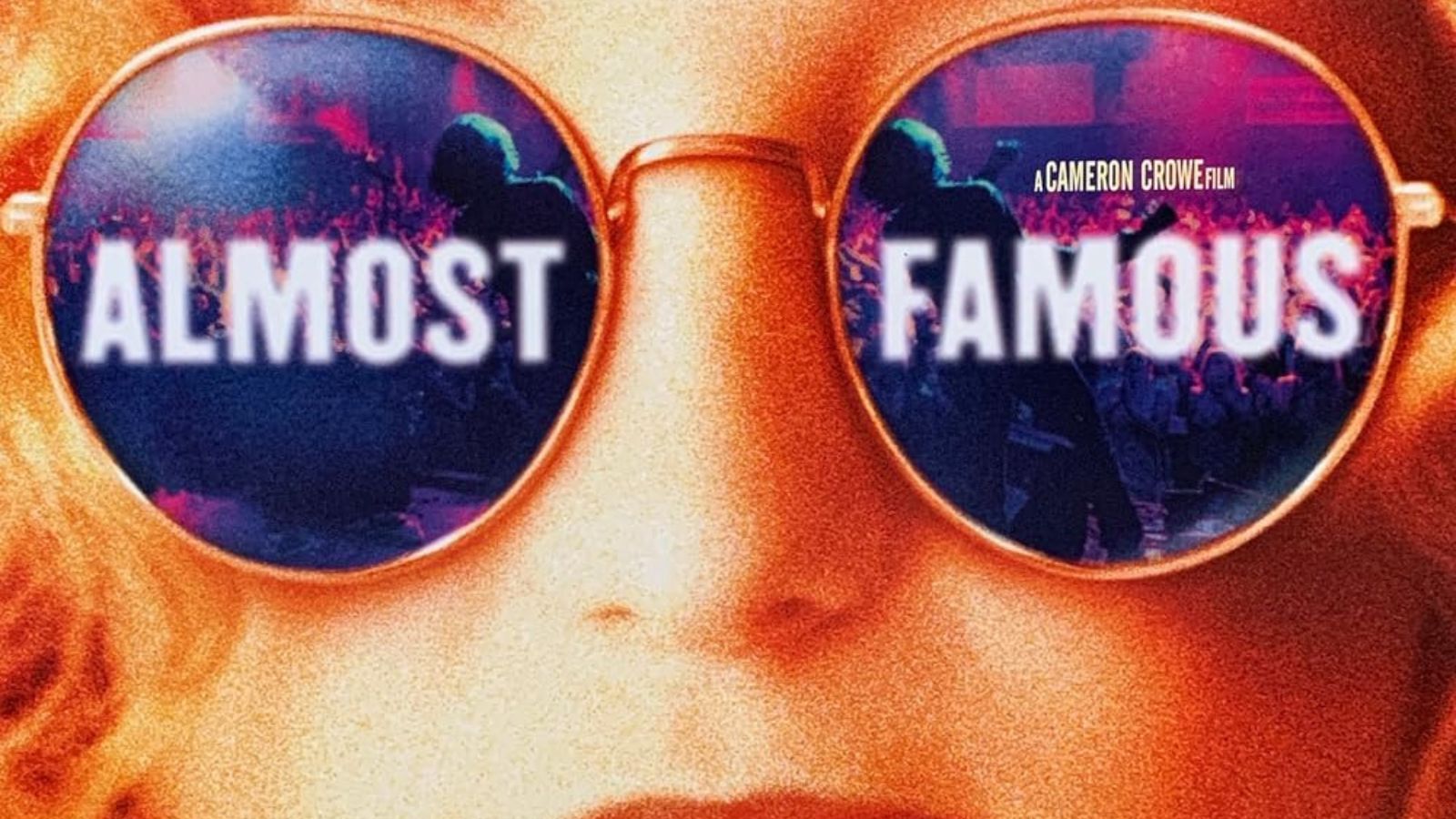
Editing can completely transform a movie. A scene that feels essential during filming can disappear, a character can become far more important than originally expected, and an entire story can take on a different rhythm once everything is assembled in the editing room. Sometimes filmmakers shoot enough material to create several possible versions of the same movie, only to discover that the strongest one barely resembles the original plan. Other times, test screenings reveal that audiences are responding to something nobody expected, leading to major changes before release. These five movies went through particularly dramatic transformations in post production, proving that the final version is not always the movie filmmakers thought they were making.
IMDb
The Godfather (1972)
Francis Ford Coppola and editor William Reynolds had an enormous amount of material to shape, and the final cut became much more focused on Michael Corleone’s transformation, with scenes and subplots from the novel being removed or heavily reduced.
IMDb
Apocalypse Now (1979)
The original production generated an enormous amount of footage, and the editing process took years as Coppola experimented with different versions before settling on the theatrical cut, dramatically shaping the film’s strange, dreamlike rhythm.
IMDb
Blade Runner (1982)
Ridley Scott’s footage was repeatedly reworked after test screenings and studio concerns, eventually producing several different versions of the film, including the theatrical cut and the later Director’s Cut and Final Cut.
IMDb
Once Upon a Time in Hollywood (2019)
Quentin Tarantino shot considerably more material than what appears in the theatrical release, with several scenes and storylines eventually being removed or reshaped to create the final structure.
IMDb
Aliens (1986)
James Cameron filmed considerably more material than audiences ultimately saw, and the theatrical version was tightened considerably, while the later Special Edition restored substantial footage that changed the pacing and expanded several characters.
IMDb
The Lord of the Rings: The Return of the King (2003)
The enormous amount of footage shot for the trilogy gave Peter Jackson and his editors countless decisions to make, with major character moments and scenes being removed from the theatrical version and later restored in the Extended Edition.
IMDb
The Shining (1980)
Stanley Kubrick famously continued editing the movie after early screenings, removing substantial material including a sequence involving a doctor and Wendy’s discussion about Danny, resulting in a tighter final film.
IMDb
Superman II (1980)
The production was famously complicated by the change in directors, and Richard Lester eventually reshot substantial portions of Richard Donner’s footage, meaning the finished movie was assembled from two very different approaches to the story.
IMDb
Kingdom of Heaven (2005)
Ridley Scott’s theatrical cut was significantly shorter than his preferred version, and the later Director’s Cut restored roughly three quarters of an hour of material, adding character development and political context.
IMDb
Almost Famous (2000)
Cameron Crowe shot enough material to support different versions of the story, and the theatrical cut was later expanded into the longer Untitled version, which restored additional scenes, performances, and character moments.
IMDb
The New World (2005)
Terrence Malick’s film went through substantial editorial changes after its initial release, with Malick producing multiple versions that altered the film’s pacing, narration, and structure.
IMDb
Brazil (1985)
Terry Gilliam’s original vision was radically altered by studio intervention, resulting in different cuts of the movie, including a shorter version that changed the story’s tone and ending for American television audiences.
IMDb
Zack Snyder’s Justice League (2021)
The theatrical Justice League had substantial reshoots and editorial restructuring after Joss Whedon took over production, while Zack Snyder’s later four hour cut restored and rebuilt large portions of his original vision.
IMDb
The Tree of Life (2011)
Terrence Malick filmed an enormous amount of material and shaped the movie extensively in the editing room, leaving numerous performances, scenes, and ideas outside the final theatrical version.
IMDb
Once Upon a Time in America (1984)
Sergio Leone’s sprawling gangster epic was heavily edited for its American theatrical release, reducing the running time dramatically and rearranging the structure, while later restorations brought back much of the material Leone originally intended.
The post 15 Movies That Looked Completely Different Before Editing appeared first on Den of Geek.