By
By 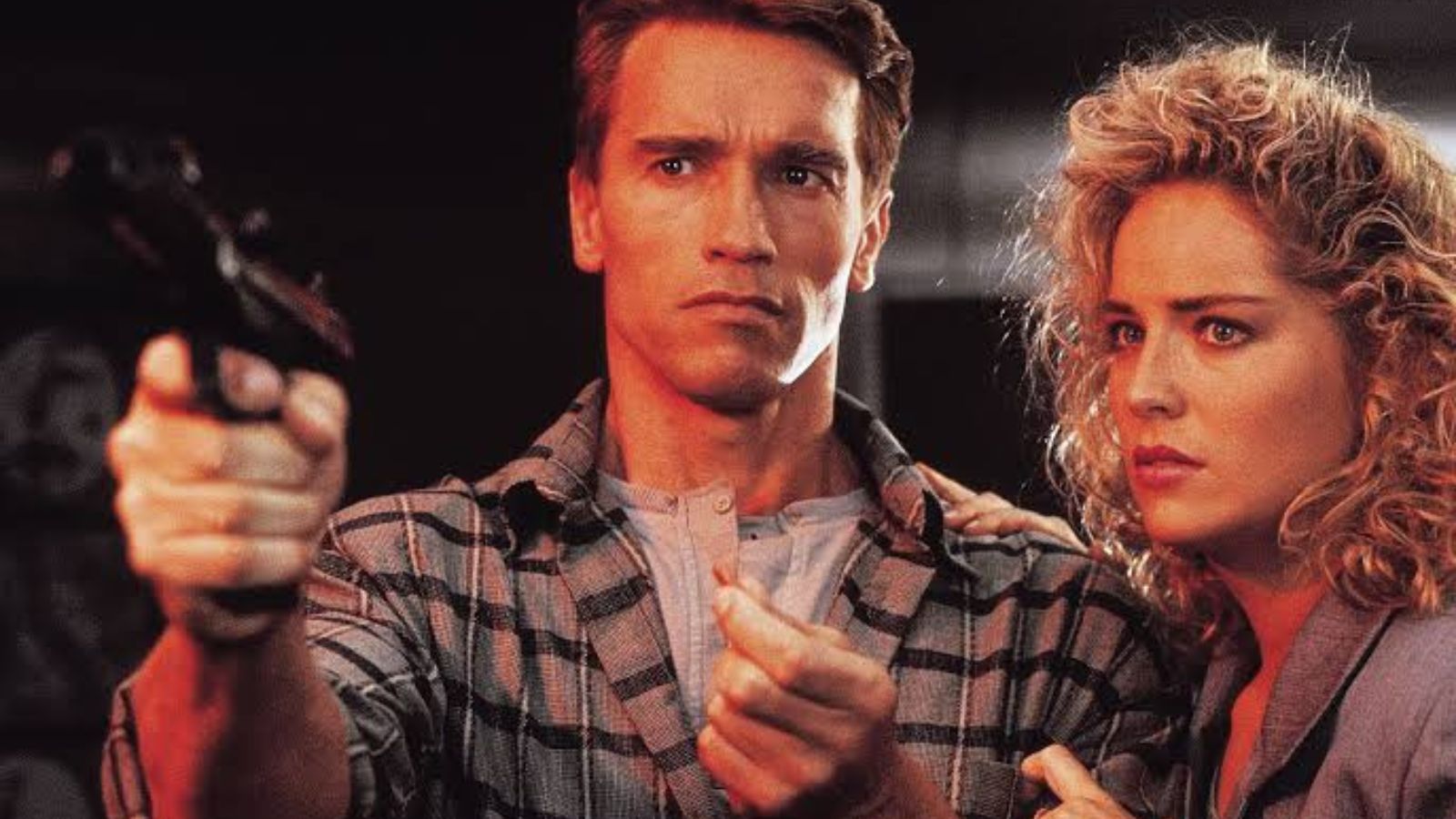
Movies are supposed to imagine the future, but every once in a while a filmmaker comes up with something that later turns out to be surprisingly close to reality. Sometimes it is a piece of technology that seemed ridiculous at the time, sometimes it is a social habit that eventually became completely normal, and occasionally it is a prediction so oddly specific that looking back feels almost uncomfortable. Most of these movies were not actually trying to predict what would happen, which makes the coincidences even more entertaining. These fifteen films imagined something that sounded strange, futuristic, or unlikely when audiences first saw it, only for real life to eventually make the idea look remarkably familiar.
IMDb
Back to the Future Part II (1989)
The movie imagined people making video calls while talking to someone on a screen, a feature that now feels completely ordinary thanks to smartphones, FaceTime, Zoom, and other video calling services.
IMDb
The Truman Show (1998)
Truman’s entire life being broadcast as entertainment now feels eerily familiar in an era of reality television, livestreams, influencers, and people voluntarily sharing enormous portions of their private lives online.
IMDb
Minority Report (2002)
The film imagined personalized advertisements recognizing people as they walked past screens, an idea that feels surprisingly close to today’s highly targeted advertising and systems designed to identify and predict consumer behavior.
IMDb
Her (2013)
A man developing an emotional relationship with an AI assistant sounded like a futuristic romance when the movie arrived, but conversational AI has made the basic concept much less difficult to imagine today.
IMDb
The Terminator (1984)
The idea of machines becoming increasingly autonomous and eventually threatening humanity remains science fiction, but the movie’s broader fear of artificial intelligence becoming difficult to control feels considerably less distant than it once did.
IMDb
2001: A Space Odyssey (1968)
The film’s HAL 9000 could communicate naturally with humans, recognize speech, process information, and assist with complex tasks, anticipating several aspects of the voice assistants and conversational systems that later became commonplace.
IMDb
Enemy of the State (1998)
The movie imagined governments using sophisticated digital surveillance to track people’s movements and communications, a concept that feels far less fantastical in a world filled with smartphones, cameras, and enormous amounts of stored data.
IMDb
The Running Man (1987)
The movie imagined entertainment built around ordinary people being watched as they struggle through dangerous situations, an exaggerated concept that now has obvious echoes in reality television, livestreaming, and viral internet content.
IMDb
WALL E (2008)
Humans living aboard a spaceship while spending most of their time staring at personal screens, barely interacting with the physical world around them, feels like an oddly recognizable exaggeration of modern screen dependence.
IMDb
The Net (1995)
Sandra Bullock’s character has her identity and entire life disrupted through computers, including digital records and online information, anticipating how deeply people’s identities would eventually become tied to digital systems.
IMDb
Gattaca (1997)
The film imagined a society where genetic information could determine someone’s opportunities and social status, a concept that became increasingly relevant as consumer DNA testing and advances in genetic technology made personal genetic information far more accessible.
IMDb
Total Recall (1990)
The movie’s idea of immersive artificial memories sounds outrageous, but modern virtual reality and increasingly sophisticated simulations have made the concept of artificially constructed experiences much easier to understand.
IMDb
The Circle (2017)
The film imagined a powerful technology company encouraging people to broadcast their lives constantly while combining social media, surveillance, and corporate influence, making its premise feel uncomfortably close to some aspects of modern online culture.
IMDb
RoboCop (1987)
RoboCop’s combination of human biology, machinery, and artificial enhancement seemed wildly futuristic, yet modern prosthetics, neural interfaces, and increasingly advanced robotic limbs have made parts of that concept less far fetched.
IMDb
The Cable Guy (1996)
The movie imagined entertainment becoming so connected to a person’s home that the television system could influence almost every part of daily life, an idea that now feels surprisingly familiar with streaming platforms, smart TVs, and always connected homes.
The post 15 Movies That Accidentally Predicted Something Weird About the Future appeared first on Den of Geek.