By
By 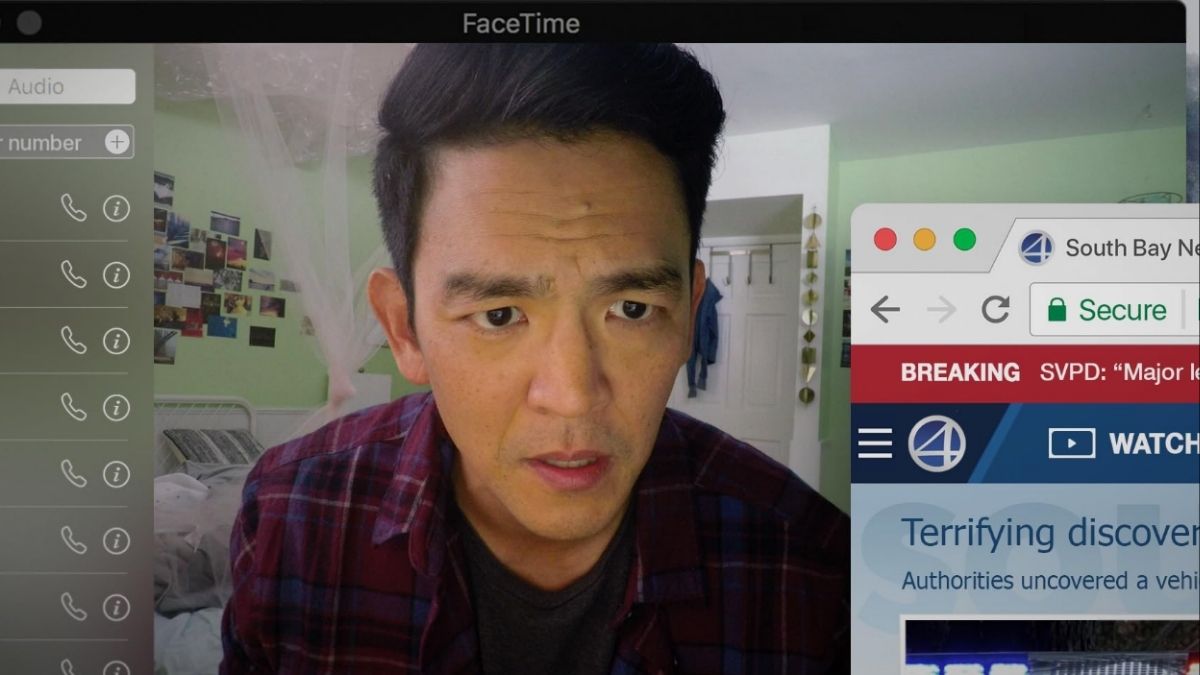
Many movie viewers consider themselves experts in catching hidden details, scouring films even on a first time watch to see everything the filmmaker is trying to convey. And yet, even they miss hidden clues and details made by creators that, in retrospect, can only be catched on a second viewing.
The best examples are especially satisfying because they’re technically visible the first time around, while at the same time being almost impossible to appreciate without knowing what to look for. These are the kinds of movie secrets that make a revisit feel like watching an entirely different film, because suddenly, all those tiny details start looking suspiciously important.
IMDb
Searching’s Secret Alien Invasion
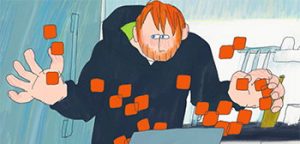
Searching contains an entire background subplot about an alien invasion that is never acknowledged by the characters. News stories and other details visible on computer screens quietly build the idea, turning the film’s desktop interface into something much larger.
IMDb
The Prestige Tells You Its Secret
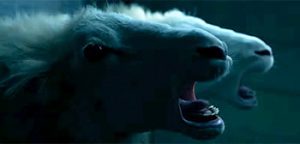
The Prestige practically announces its central trick before the audience understands it. The opening shows identical hats and caged canaries, while dialogue discusses doubles and duplication. The movie is essentially explaining its ending while deliberately distracting viewers from listening.
IMDb
Hereditary’s Cult Is Already Watching
Hereditary hides its supernatural conspiracy in ordinary-looking details. Cult members repeatedly appear around the family, including one man glimpsed at the funeral who later appears naked near the finale. Even the séance invitation is deliberately placed in Annie’s mailbox.
IMDb
Midsommar Spoils Itself Immediately
Midsommar’s opening artwork isn’t merely atmospheric decoration. The tapestry depicts the movie’s major events before they happen, essentially providing a visual roadmap of Dani’s horrifying journey. The film then hides additional images, including her sister’s face among the trees.
IMDb
Nope’s Weird Spanish Mistake
In Nope, Jupe tells Emerald “Su casa es mi casa,” reversing the familiar Spanish phrase. It sounds like an innocent mistake, but the scripted error subtly reinforces his possessiveness and his intention to take what belongs to the Haywoods.
IMDb
The Menu’s Details Are Doing the Talking
The Menu quietly uses food, character behavior, and restaurant details to reveal information before the dialogue does. The film’s elaborate dishes aren’t simply culinary decoration either; several contain references and clues that reward viewers who pay attention.
IMDb
Knives Out Hides a Murder Weapon in Plain Sight
Knives Out repeatedly places visual clues directly in front of viewers, including a knife positioned across Harlan’s throat during a conversation about the family. Other seemingly decorative objects also foreshadow the mystery’s solution, rewarding a second viewing.
IMDb
Oppenheimer’s Tiny Visual Connections
Oppenheimer packs its three-hour runtime with small visual details that reward repeat viewings. The film deliberately connects imagery, historical events, and character moments across its nonlinear structure, making seemingly incidental shots more meaningful once the larger story becomes clear.
IMDb
Beau Is Afraid Has Another Story Hiding Behind It
Beau Is Afraid contains a secret background story that director Ari Aster later said viewers had largely missed. The strange imagery and seemingly random details weren’t necessarily random at all, with Aster revealing that another narrative was embedded throughout the film.
IMDb
Super 8 Sneaks in More Than Aliens
Super 8 contains references to several of J.J. Abrams’ other projects, including Lost, Alias, and The Twilight Zone. Some are so casually incorporated that viewers could easily miss them while concentrating on the movie’s monster mystery.
IMDb
Baby Driver’s Graffiti Changes With the Romance
Baby Driver uses the graffiti behind its protagonist to quietly mirror his emotional state. When Baby sees Deborah for the first time, a heart in the background changes from black to red, visually marking his sudden romantic interest.
IMDb
Scott Pilgrim Counts Its Evil Exes
Scott Pilgrim vs. the World hides recurring numerical references connected to Ramona’s Evil Exes. Before Lucas Lee’s confrontation, for example, visual references to the number two appear, matching his position as the second ex.
IMDb
The Cabin in the Woods’ Monster Menu
The Cabin in the Woods literally puts its horror inspirations on a whiteboard. As the facility’s workers discuss possible monsters, viewers can spot references to creatures including the Wolfman, Pinhead, Pennywise, and the Alien.
IMDb
Parasite Uses Stairs to Tell the Story
Parasite repeatedly uses staircases and changes in elevation to reinforce its class divide. The characters’ constant movement upward and downward isn’t merely geography; the film’s production design uses vertical space as a visual representation of social hierarchy.
IMDb
Red Notice Practically Admits the Twist
Red Notice’s biggest twist feels surprising, but director Rawson Marshall Thurber deliberately planted clues throughout the movie. On rewatch, seemingly innocent details point toward Hartley’s real identity, with Thurber saying they tried to play the twist “cards up” throughout.
The post 15 Movie Secrets Hidden in Plain Sight appeared first on Den of Geek.