By
By 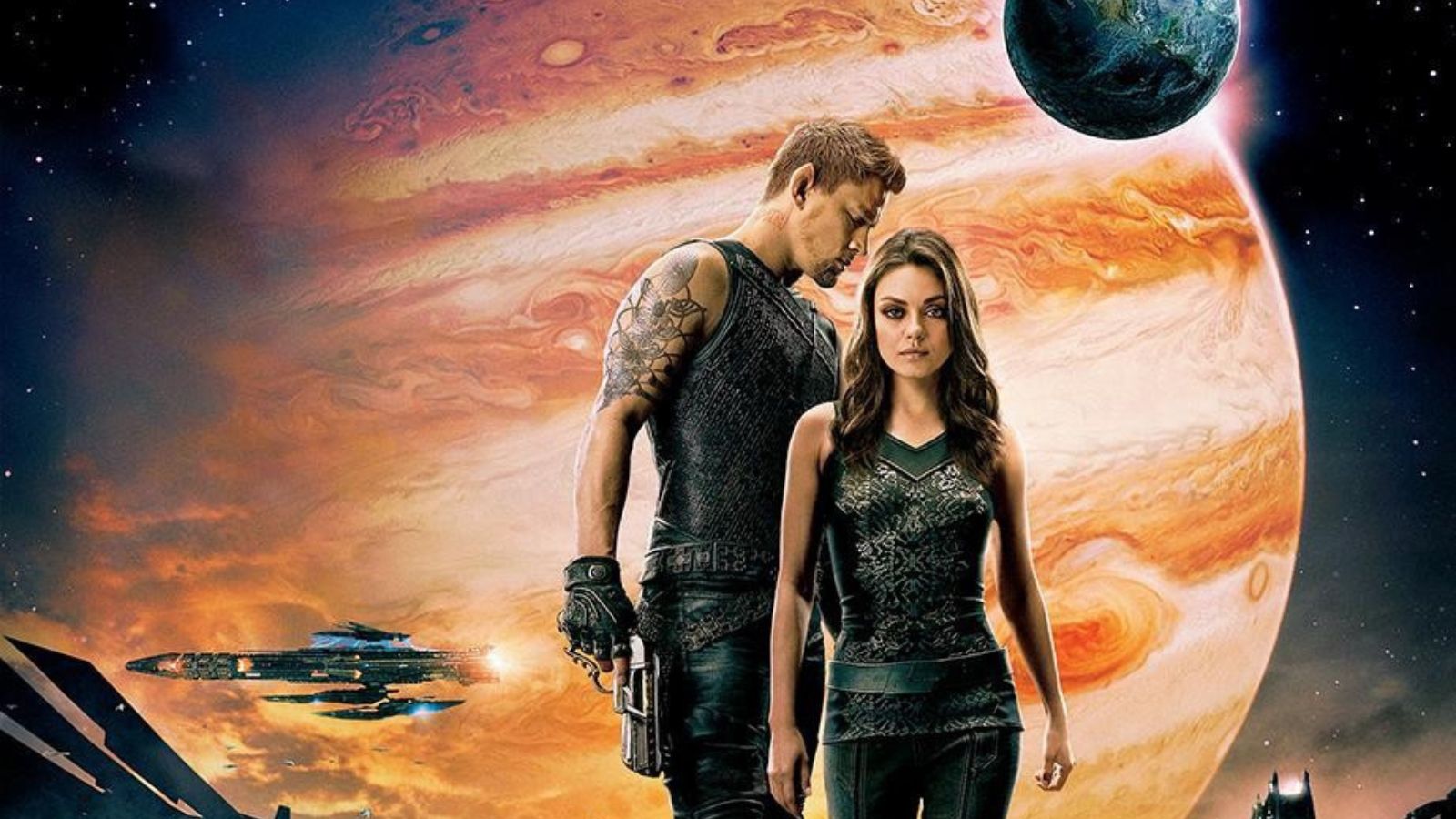
Not every movie needs to be good to be worth watching. Some are messy, over the top, painfully cheesy, or simply fail to deliver what they promised, yet they still manage to offer something interesting. A bad movie can teach you about filmmaking mistakes, capture a fascinating moment in pop culture, showcase an actor before a career breakthrough, or become so entertainingly ridiculous that its flaws are part of the experience. Some are even useful precisely because they get things wrong, giving viewers a chance to question the history, science, or ideas they put on screen. These movies may not be masterpieces, but writing them off completely would mean missing the fun.
IMDb
The Room (2003)
The Room is widely regarded as a spectacularly flawed movie, but its strange performances, bizarre dialogue, and inexplicable creative decisions have made it an enduring cult phenomenon. It is practically a masterclass in how a movie can become entertaining for reasons completely different from what its creator intended.
IMDb
Plan 9 from Outer Space (1957)
Often cited among the worst movies ever made, Plan 9 from Outer Space is nevertheless fascinating as a piece of independent filmmaking. Its handmade effects, unusual story, and obvious production limitations make it an entertaining glimpse at what could happen when ambition greatly exceeds resources.
IMDb
Battlefield Earth (2000)
Battlefield Earth is a notorious science fiction failure, but its elaborate production design and bizarre visual choices make it an interesting example of an ambitious blockbuster that went badly wrong. Watching it can be surprisingly useful for understanding how style cannot compensate for weak storytelling.
IMDb
Cats (2019)
Cats became famous for its unsettling digital characters and surreal visual style, but it remains an interesting case study in adapting stage material for the screen. Its strange reception also offers plenty to discuss about CGI, performance capture, musical adaptations, and audience expectations.
IMDb
Waterworld (1995)
The movie became infamous for its enormous budget and difficult production, but Waterworld is still an impressive example of large scale practical filmmaking. The sets, boats, stunts, and water based production required an extraordinary amount of physical construction.
IMDb
The Core (2003)
The science in The Core is questionable enough to inspire endless criticism, but that is also what makes it entertaining for anyone interested in disaster movies and scientific accuracy. It offers plenty of opportunities to separate real geophysics from spectacular Hollywood invention.
IMDb
Armageddon (1998)
Armageddon is packed with scientific inaccuracies, but it remains an enormously entertaining disaster movie. Its absurd premise, memorable characters, huge explosions, and relentless pace demonstrate why audiences can forgive a movie a lot when it knows exactly what kind of spectacle it wants to deliver.
IMDb
Jupiter Ascending (2015)
The Wachowskis created an enormous science fiction universe filled with elaborate costumes, creatures, spaceships, and mythology. The result is famously overstuffed, but its ambition makes it far more interesting than a completely forgettable blockbuster.
IMDb
The Happening (2008)
M. Night Shyamalan’s thriller became notorious for its strange performances and dialogue, but its central idea is still intriguing. The movie is particularly interesting for viewers who enjoy examining how atmosphere, premise, and execution can work against one another.
IMDb
Batman & Robin (1997)
Batman & Robin is often remembered as a superhero disaster, but its flamboyant production design and comic book aesthetic are fascinating. The movie went so aggressively into the visual language of a comic book that it became a useful example of how tone can completely reshape a familiar character.
IMDb
The Day After Tomorrow (2004)
The science behind the movie’s rapid climate catastrophe is heavily dramatized, but its underlying concerns about climate change and extreme weather give it more substance than its reputation suggests. It can be entertaining while also prompting questions about where Hollywood spectacle ends and real science begins.
IMDb
The Meg (2018)
A giant prehistoric shark is hardly a scientifically rigorous premise, but The Meg understands that its job is to deliver enormous creature movie fun. Its exaggerated shark behavior and action sequences make it an entertaining example of modern blockbuster escapism.
IMDb
The Last Airbender (2010)
M. Night Shyamalan’s adaptation is widely criticized by fans of the animated series, but that makes it useful as an example of the difficulties involved in compressing a long serialized story into a single movie. It also provides an interesting lesson in adaptation, casting, world building, and audience expectations.
IMDb
Big Shark (2023)
Wiseau’s later work is hardly conventional filmmaking, but that is precisely why it can be worth seeing for fans of strange cinema. Its intentionally eccentric approach turns the experience into something closer to a cult movie event than a conventional creature feature.
The post 15 Bad Movies That Actually Aren’t a Waste of Time appeared first on Den of Geek.