By
By 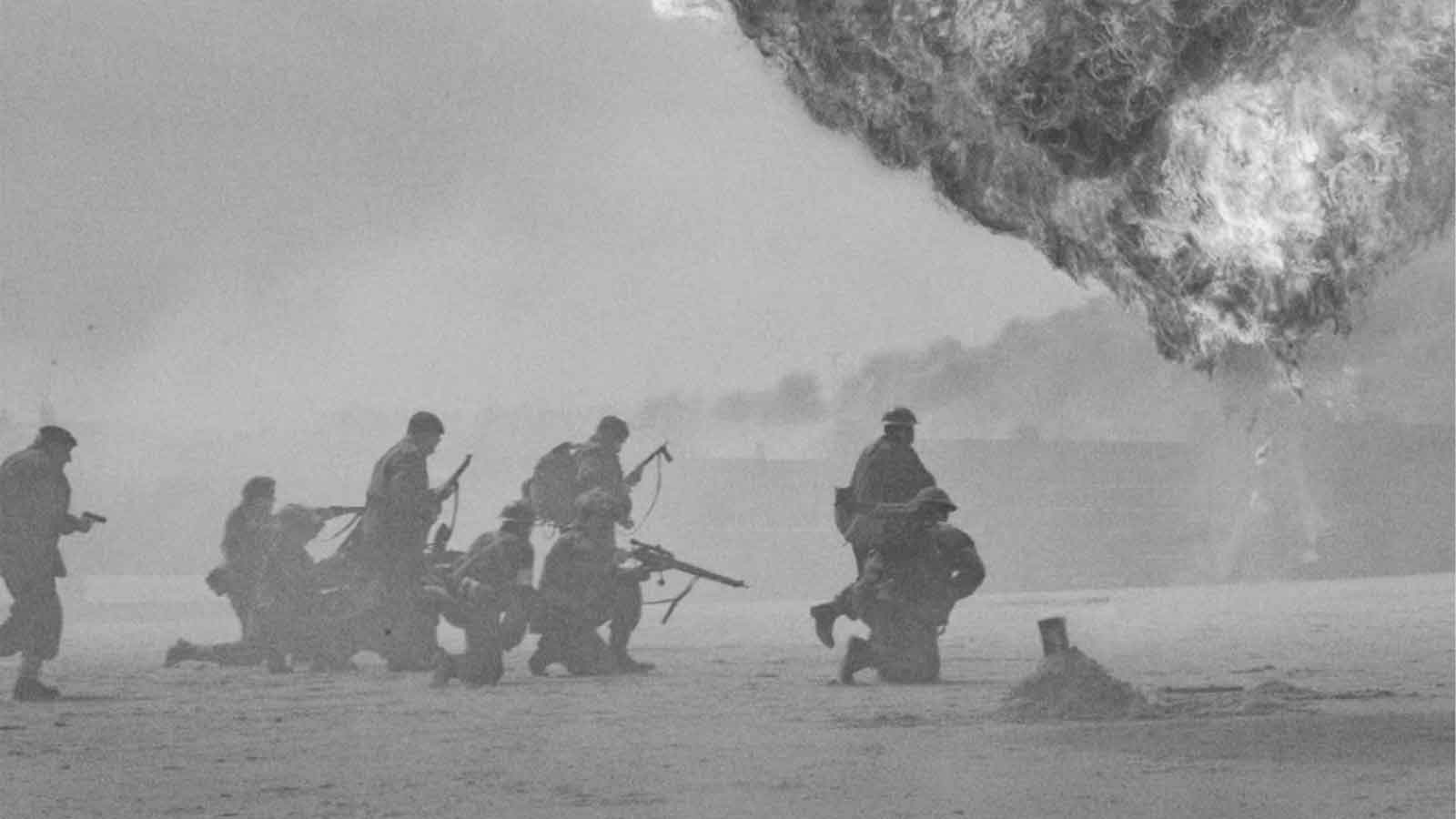
We all love some fun facts from humanity’s history, right? Getting to know little pieces of data to share at social gatherings tends to be the goal, although some of these facts can be a little disturbing if you think about them. After all, history is filled with tales of tragedy and hardship.
What we have gathered here offers a glimpse into worlds that operated by very different rules, where survival was uncertain and everyday life could be unexpectedly grim. These are historical facts that are certainly interesting, but “fun” isn’t the first word that comes to mind.
The Great Molasses Flood Was Deadly
In 1919, a massive storage tank burst in Boston, releasing more than two million gallons of molasses. The sticky wave raced through streets at high speed, killing 21 people and injuring around 150 others.
IMDb
Bodies Still Lie Inside the USS Arizona
When the USS Arizona sank during the attack on Pearl Harbor, over 1,100 sailors and Marines were trapped aboard. Many of their remains still rest within the wreck, which serves as a military memorial.
Unsplash.com
Victorians Collected Human Hair
Hair was commonly woven into jewelry, wreaths, and decorative artwork during the Victorian era. Often made from deceased loved ones, these elaborate keepsakes were treasured mementos rather than viewed as morbid curiosities.
IMDb
The Black Death Killed Tens of Millions
Between 1346 and 1353, the Black Death devastated Europe, North Africa, and Asia. Historians estimate it killed tens of millions of people, making it one of the deadliest pandemics in recorded human history.
Unsplash.com
Ancient Romans Used Slave Labor in Mines
Many Roman mines relied on enslaved workers and convicted criminals forced into brutal conditions. Dangerous tunnels, toxic fumes, and exhausting labor made mining one of the empire’s harshest forms of punishment.
Unsplash.com
People Once Believed Bloodletting Saved Lives
For centuries, physicians treated illnesses by draining blood from patients. The practice was based on balancing bodily humors and often weakened people already suffering from serious diseases rather than helping them recover.
IMDb
The Dancing Plague of 1518
In 1518, dozens of people in Strasbourg began dancing uncontrollably for days. The strange phenomenon spread to hundreds, with some reportedly collapsing from exhaustion, heart attacks, or strokes before the outbreak finally subsided.
IMDb
Pompeii Was Frozen in Its Final Moments
The eruption of Mount Vesuvius in 79 CE buried Pompeii beneath volcanic ash so quickly that many victims’ final positions were preserved. Plaster casts later revealed haunting snapshots of the disaster.
IMDb
The Radium Girls Glowed in the Dark
Factory workers who painted luminous watch dials with radium were encouraged to shape brushes using their lips. Many later developed devastating illnesses, helping expose the dangers of radioactive workplace exposure.
IMDb
The Donner Party Resorted to Cannibalism
Trapped by heavy snow in the Sierra Nevada during the winter of 1846 to 1847, members of the Donner Party exhausted their food supplies. Some survivors ultimately resorted to cannibalism to stay alive.
Unsplash.com
The Halifax Explosion Leveled a City
In 1917, two ships collided in Halifax Harbor, one carrying explosives for World War I. The resulting blast became the largest human-made explosion before the atomic age, devastating much of the city.
Unsplash.com
Smallpox Changed the Americas Forever
After European contact, diseases like smallpox spread through Indigenous populations with catastrophic consequences. Lacking prior exposure, many communities experienced mortality rates so high they permanently altered the continent’s demographic landscape.
Unsplash.com
People Paid to Watch Public Executions
For centuries across Europe, public executions drew enormous crowds. Vendors sold food and souvenirs while spectators treated hangings, beheadings, and other punishments as public entertainment rather than solemn legal proceedings.
Unsplash.com
Children Worked in Coal Mines
During the Industrial Revolution, young children often worked long hours underground hauling coal through cramped tunnels. The dangerous conditions eventually fueled labor reforms that restricted child employment in mines.
Unsplash.com
The Great Smog of London Killed Thousands
A thick blanket of toxic smog settled over London in December 1952, trapping coal smoke and industrial pollution for days. The disaster caused thousands of deaths and led Britain to pass major clean air legislation.
The post 15 Facts from History We Wouldn’t Exactly Describe as ‘Fun’ appeared first on Den of Geek.