By
By 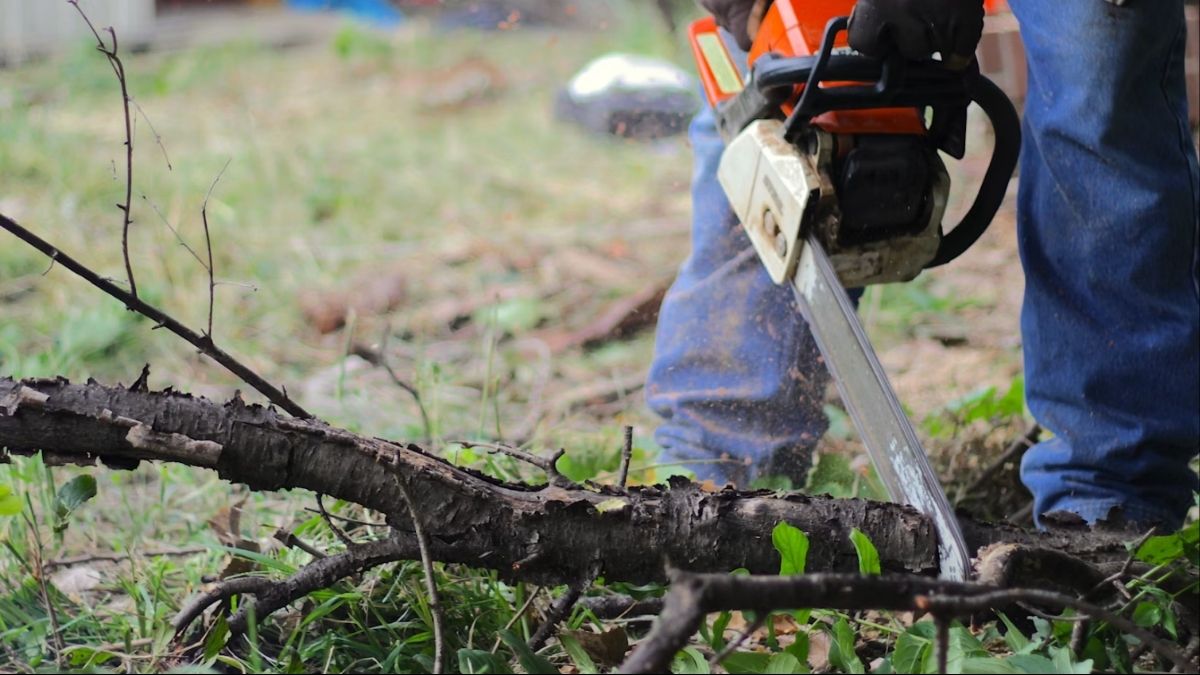
We use countless everyday products, sayings, and traditions without giving much thought to where they came from. Believe it or not, some of their origins are surprisingly grim. Born from war, disease, or crime, these unsettling beginnings faded from public memory, leaving behind familiar objects and customs that seem completely ordinary today.
Once you learn the real stories behind them, however, it’s hard to look at them quite the same way again. Although, it’s not like we’re about to stop using them. These everyday things all have origins far darker than most people realize.
Unsplash.com
The Chainsaw
The first chainsaw wasn’t designed for cutting trees. In the late eighteenth century, surgeons developed a hand-cranked version to assist during difficult childbirth procedures before modern cesarean sections became common.
Unsplash.com
Wedding Rings
Wedding rings trace back to ancient Rome, where they often symbolized ownership as much as love. Under Roman law, a ring could signify that a woman had passed under her husband’s legal authority rather than simply marking a romantic commitment.
Unsplash.com
The Treadmill
Before becoming gym equipment, treadmills were prison punishment devices. Nineteenth-century inmates spent hours walking rotating wheels to grind grain or pump water while enduring exhausting, often brutal labor.
Unsplash.com
High Heels
High heels first gained popularity among Persian cavalry because they helped riders stay secure in stirrups while firing weapons. European aristocrats later adopted the military footwear as fashionable status symbols.
Unsplash.com
The Word “Deadline”
During the American Civil War, a “deadline” referred to a literal boundary around prisoner-of-war camps. Crossing it could result in guards shooting prisoners on sight, making today’s office deadlines seem considerably less intimidating.
Unsplash.com
Sunglasses
Modern sunglasses trace part of their history to Chinese judges, who wore smoky quartz lenses to conceal their facial expressions during court proceedings. Later developments were driven by military aviation and the need to protect pilots’ vision.
Unsplash.com
The Top Hat
Elegant top hats were originally made using mercury during the felt-making process. Chronic mercury poisoning caused severe neurological damage among hatters, inspiring the phrase “mad as a hatter.”
Unsplash.com
The Guillotine-Shaped Razor
The safety razor revolutionized shaving, but its earliest designs intentionally echoed the efficient mechanical principles popularized by the guillotine. The shared emphasis on swift, clean cutting wasn’t entirely coincidental.
Unsplash.com
Duct Tape
Duct tape was developed during World War II to give American soldiers a waterproof, durable tape for sealing ammunition cases. Its incredible versatility ensured it survived long after the war, becoming a staple in homes and workshops worldwide.
Wikipedia
Artificial Sweetener Saccharin
Saccharin was discovered accidentally in 1879 when chemist Constantin Fahlberg neglected to wash his hands after working with coal tar derivatives. While safe for consumption, its industrial origins surprise many people.
Unsplash.com
Matches
Early phosphorus matches made everyday fire-starting convenient but exposed factory workers to “phossy jaw,” a horrific disease that slowly destroyed facial bones through prolonged phosphorus exposure.
Unsplash.com
The Fork
Forks were initially criticized in parts of medieval Europe as unnecessary luxuries that interfered with God’s design for eating. Their eventual acceptance reflected changing social customs rather than practical necessity.
Unsplash.com
Toothbrush Bristles
Before synthetic materials became standard, many toothbrushes used coarse boar hair. The natural bristles retained moisture and bacteria, making early dental hygiene far less sanitary than people imagined.
Unsplash.com
The Can Opener
Metal food cans became widely available decades before dedicated can openers existed. Early users relied on chisels, knives, bayonets, or hammers to reach their food, often risking serious injury in the process.
The post 14 Everyday Things With Surprisingly Dark Origins appeared first on Den of Geek.