By
By 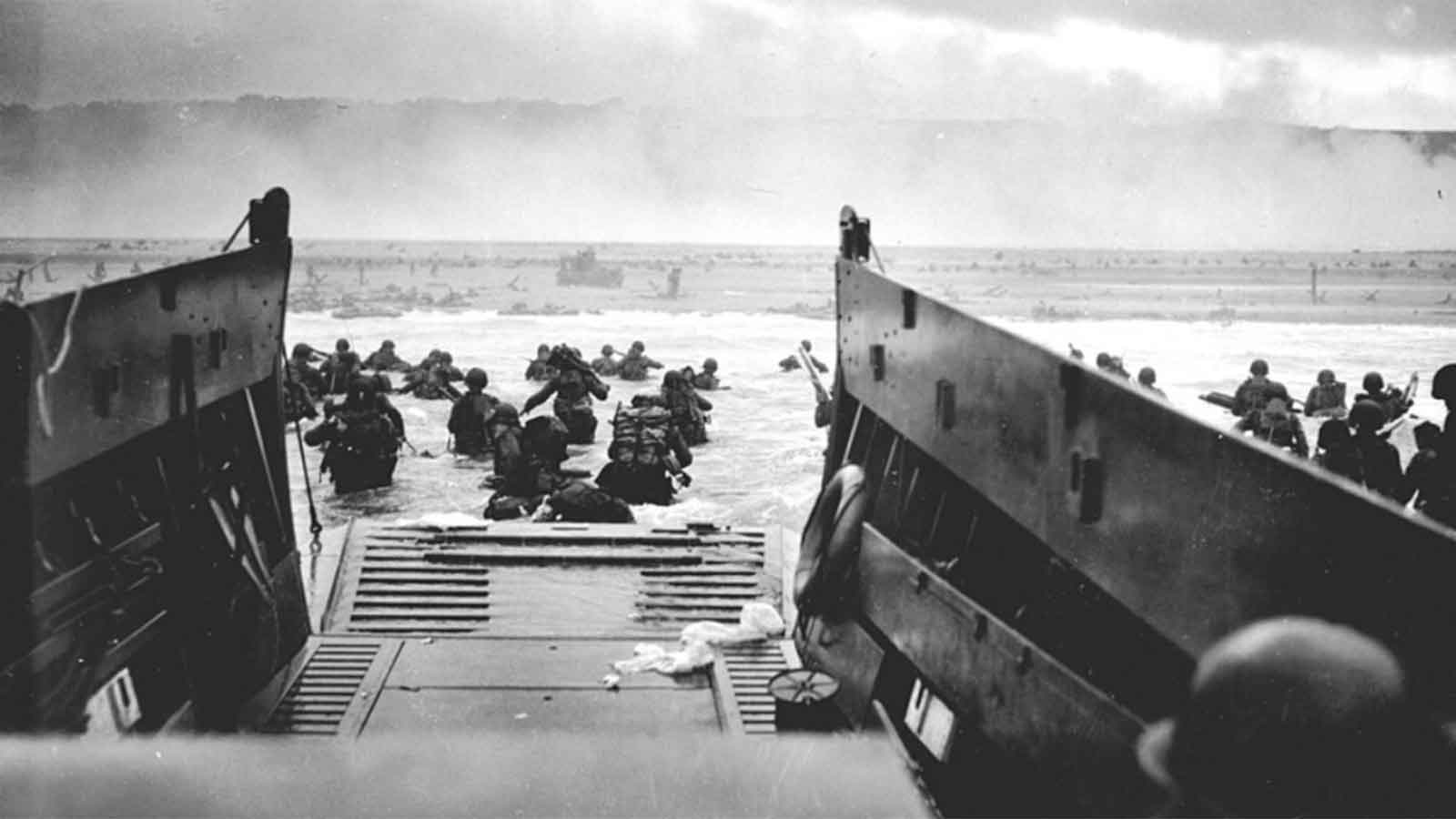
History has no shortage of fascinating moments, but some events seem to capture people’s attention more than others. Whether it’s a famous battle, a world-changing discovery, or a turning point that reshaped entire nations, these stories continue to inspire documentaries, books, podcasts, and endless online debates. For history enthusiasts, they’re the moments that invite you to dig a little deeper, compare different perspectives, and wonder how things might have turned out if just one decision had gone differently.
Here are 15 historical events that geeks, history buffs, and curious readers never seem to get tired of exploring.
©Wikimedia Commons
D-Day (1944)
The Normandy landings remain one of the most studied military operations ever carried out. Historians still examine everything from the planning behind the invasion to the decisions that helped change the course of World War II.
©Wikimedia Commons
The Battle of Stalingrad (1942-1943)
Few battles have been analyzed as closely as Stalingrad. Its brutal urban combat, enormous casualties, and strategic importance made it a defining moment on the Eastern Front.
©Wikimedia Commons
The Battle of Gettysburg (1863)
Gettysburg continues to spark discussion more than 160 years later, with historians still debating the leadership decisions and battlefield tactics that shaped the American Civil War.
©Wikimedia Commons
The Dunkirk Evacuation (1940)
Operation Dynamo became one of World War II’s most remarkable rescue efforts, with hundreds of thousands of Allied soldiers evacuated across the English Channel under constant threat.
©Wikimedia Commons
The Fall of the Berlin Wall (1989)
For millions of people, the collapse of the Berlin Wall became the defining image of the Cold War’s final chapter. It remains one of the most recognizable symbols of political change in modern history.
©Wikimedia Commons
The Apollo 11 Moon Landing (1969)
The first Moon landing is still a favorite topic for space enthusiasts, who continue exploring the mission’s technology, planning, and historic achievements more than 50 years later.
©Wikimedia Commons
The Titanic Disaster (1912)
More than a century after the ship sank, new expeditions, documentaries, and research continue uncovering details about one of history’s most famous maritime disasters.
©Wikimedia Commons
The Assassination of Julius Caesar (44 BC)
Caesar’s assassination reshaped Roman politics and inspired countless books, plays, and historical debates about the end of the Roman Republic.
©Wikimedia Commons
The French Revolution (1789)
The revolution transformed France while also spreading ideas about liberty, citizenship, and democracy that influenced countries around the world.
©Wikimedia Commons
The Cuban Missile Crisis (1962)
For thirteen tense days, the United States and the Soviet Union stood on the brink of nuclear war. Every decision made during the crisis is still studied as an example of high-stakes diplomacy.
©Wikimedia Commons
The Signing of the Magna Carta (1215)
Although its original purpose was limited, the Magna Carta gradually became one of history’s most influential legal documents and a lasting symbol of constitutional rights.
©Wikimedia Commons
The Black Death (1346-1353)
Beyond its devastating death toll, the Black Death reshaped medieval society by changing labor systems, economies, and everyday life across Europe.
©Wikimedia Commons
The Wright Brothers’ First Flight (1903)
The flight itself lasted only seconds, but it marked the beginning of powered aviation and opened the door to modern air travel.
©Wikimedia Commons
The Chernobyl Disaster (1986)
The explosion at the nuclear power plant reshaped conversations about nuclear energy and remains one of history’s most studied industrial disasters.
©Wikimedia Commons
The Fall of Constantinople (1453)
The Ottoman conquest of Constantinople ended the Byzantine Empire and reshaped trade routes, politics, and the balance of power between Europe and Asia.
The post The 15 Historical Events That Geeks Love the Most appeared first on Den of Geek.