By
By 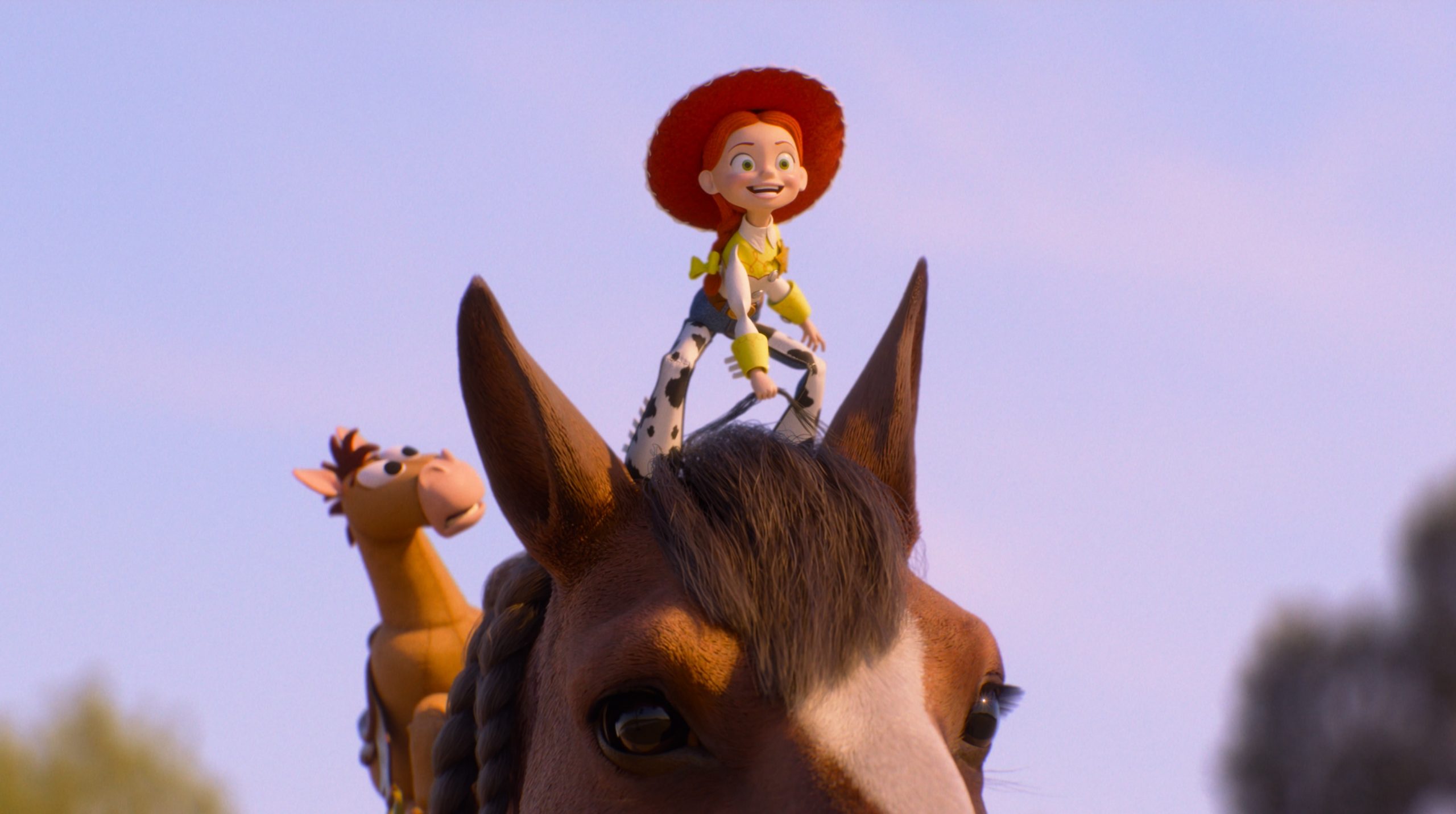
Thirty-one years since Buzz and Woody first went to Infinity and Beyond, it’s safe to say that Pixar still has a friend in me. And you. Also that family down the street. Plus, now that we mention it, multiple generations of moviegoers. Which is pretty impressive when we haven’t seen a Toy Story movie since 2019—a time before Disney+, streaming wars, and the pandemic.
Even so, the studio estimates from the Father’s Day weekend are in, and according to the latest data, Toy Story 5 just grossed $160 million stateside and a total of $312 million worldwide. That’s the best opening for any Toy Story movie ever, and the second best for Pixar by either measure—with Incredibles 2 earning $183 million domestically in 2018 and Inside Out 2 grossing $384 million worldwide in 2024. Furthermore, it’s the biggest opening weekend in 2026 so far, toppling The Super Mario Galaxy Movie’s also impressive $132 million domestic bow back in April.
Cumulatively, this is a big win for Pixar and Disney, which has somewhat commercially struggled this decade, particularly in terms of original movies and/or quasi-original movies that still attempted to rely on Toy Story IP like 2022’s Lightyear. And yet, I cannot help but notice that barring the Lightyear space oddity, Toy Story 5 is the first real movie about these characters in seven years.
With the exception of a handful of short films starring Forky and Bo Peep that were released on Disney+ back when Toy Story 4 was new and Disney+ was launching, the brand has remained relatively dormant, at least onscreen, all while multiple generations of children, parents, aunts and uncles, and even grandparents kept the flame alive via theme park visits, holiday merchandise, and by passing the older movies on to the next era of kids.
This phenomenon of keeping a beloved billion-dollar IP scarce is a rarity in the 2020s, to the point of seeming almost quaintly old-fashioned. Which also means it creates a curious juxtaposition when compared to other brands that were also grossing $1 billion-plus per entry back in 2019, including Disney contemporaries like Marvel, which in the same year saw Avengers: Endgame and Captain Marvel clear $1 billion (and $2.5 billion in the case of the one with Iron Man), and Lucasfilm’s Star Wars: The Rise of Skywalker, which pocketed another cool $1 billion despite a divisive audience reception.
Speaking anecdotally, it became tempting to reminisce about “back in my day” when noticing the hard pivot from a time where audiences waited years between installments to our modern 2020s reality with the market being flooded by a glut of Marvel, Star Wars, and DC projects across multiple platforms and streaming services. Marvel particularly, and despite studio head Kevin Feige’s reluctance, increased production to the point of having a new movie, streaming series, or TV special (and sometimes several) in every fiscal quarter of 2022 and 2023. And at this point, there are more Disney+ Star Wars shows than there are movies when you count the animated series.
Five years ago, it was an open question whether Disney and its contemporaries were over-saturating the market with the short-term gains won by this abundance of product buttressing the streaming services. Meanwhile the handful of IPs kept behind relative lock and key—your James Bonds, your Mission: Impossibles, and, yes, Pixar franchises like Toy Story—were looking creaky in a modern context where we’ve seen three Minions movies, two Marios, and three different actors play Batman since Toy Story 4.
But looking at the Toy Story 5 numbers, another tale seems to be unfolding. Perhaps the best way to keep audience excitement high for a business strategy built around “event” films is to keep the idea of a new installment feeling like an actual event. With the exception of Toy Story 2, which came out four years after the original film in the ’90s, none of the sequels made in the 21st century have arrived in less than half a decade. In fact, Toy Story 5 and its seven-year gap is relatively short when compared to the 11-year gap between Toy Story 2 and Toy Story 3. And each film has shown minute care and dedication on the part of Pixar’s army of artists. Wherever Toy Story 5 ranks on your personal scale for the series, co-writer and co-director Andrew Stanton has been working with these characters since he co-wrote and helped design the original 1995 movie.
The patience and attention to detail in the film is palpable, with the filmmakers, like the audience, treating the movies akin to sacred ground. And the studio has been rewarded for that slow-walk with a movie that just opened like the 2010s never ended. There might be a lesson in these toys’ ongoing story.
The post Toy Story 5 Box Office Suggests Sequel Scarcity Is Still a Good Thing appeared first on Den of Geek.