By
By 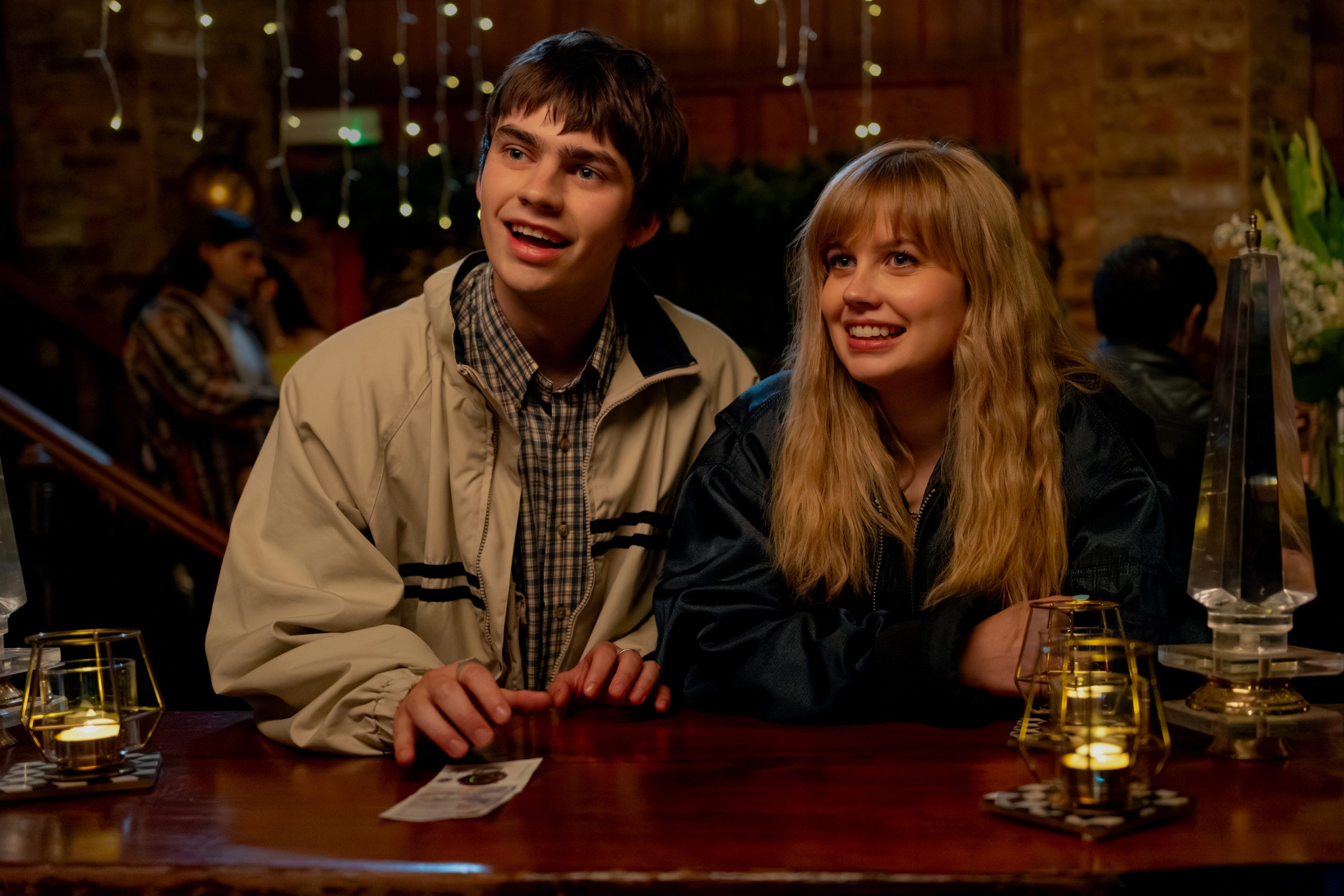
Finding Emily (2026)
Right name, wrong number.
Finding Emily feels like the kind of romantic comedy we honestly don’t get enough of anymore — bright, sincere, a little chaotic, occasionally cringe on purpose, and completely comfortable wearing its heart on its sleeve. Directed by Alicia MacDonald and written by Rachel Hirons, the film doesn’t reinvent the rom-com formula, but it understands exactly why audiences fell in love with these stories in the first place. It has charm, music, big feelings, and enough modern awkwardness to make its familiar beats feel fresh instead of recycled.
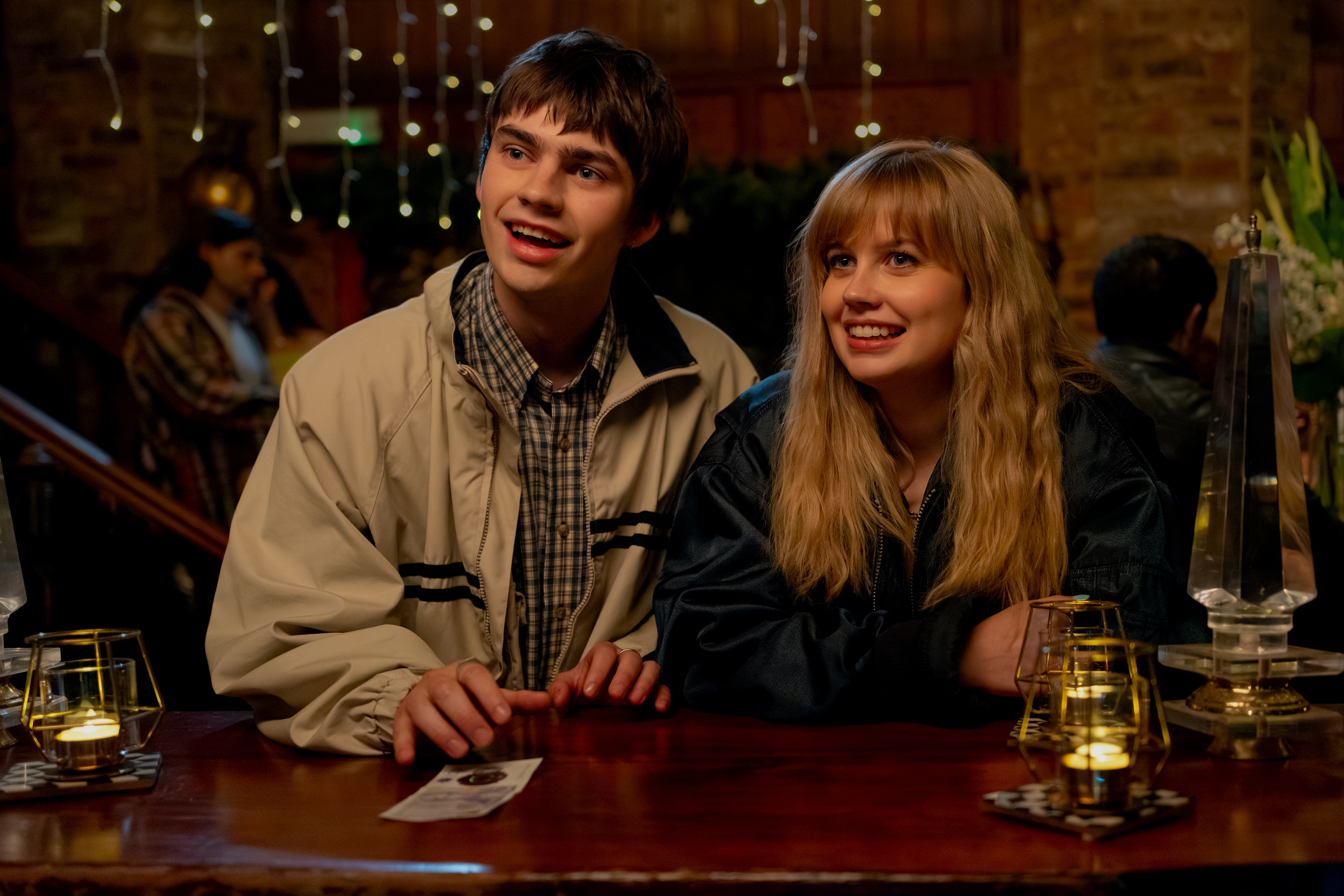
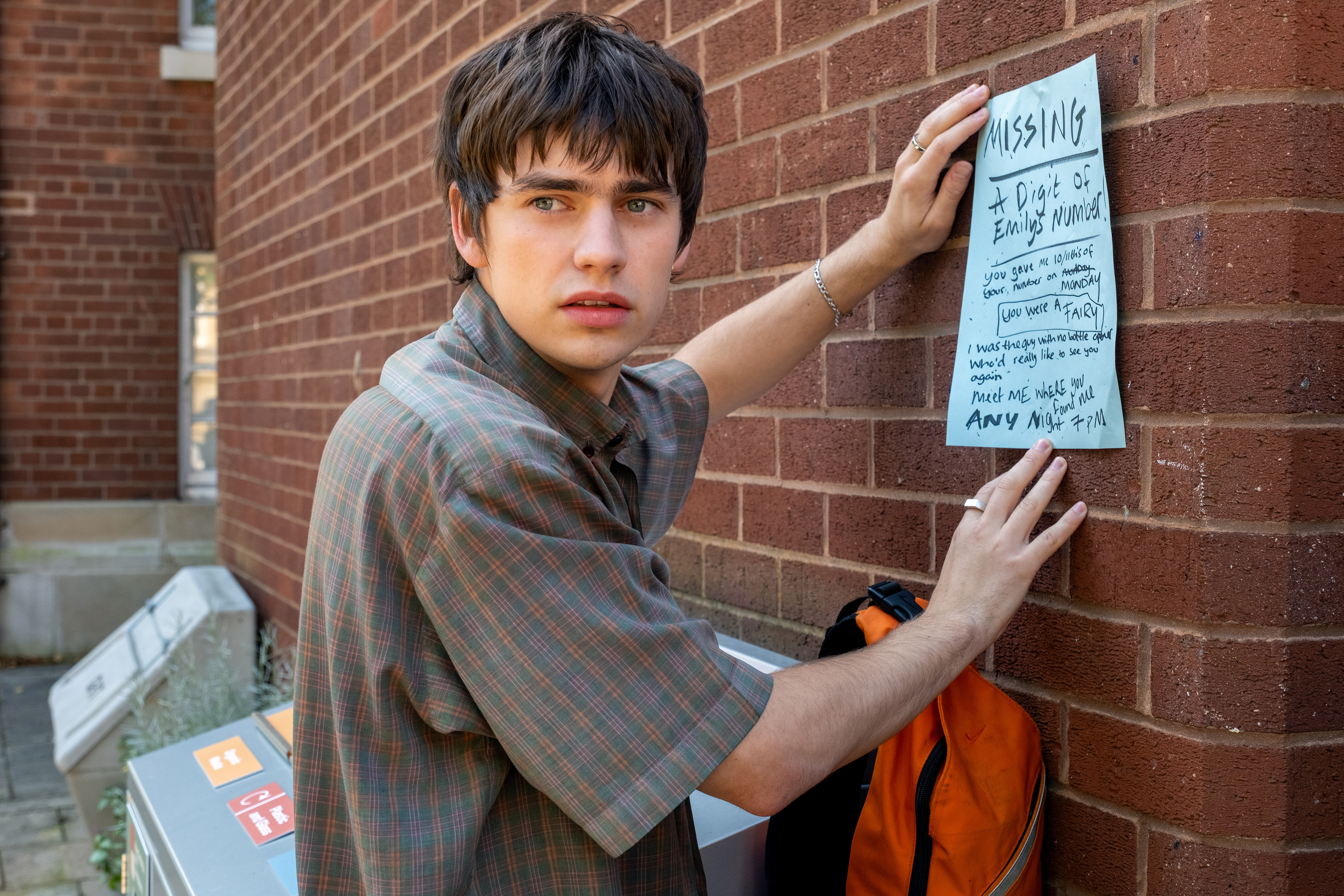
The premise is delightfully simple. Owen (Spike Fearn), a hopelessly romantic musician working as a sound engineer at the Manchester City University Student Union, meets a girl named Emily during a late shift. She’s dressed as a fairy, because of course she is, and under the haze of club lights, drinks, and music, Owen is instantly smitten. The spark feels real. The problem arrives the next morning, when Owen realizes the number she put in his phone is missing a digit.
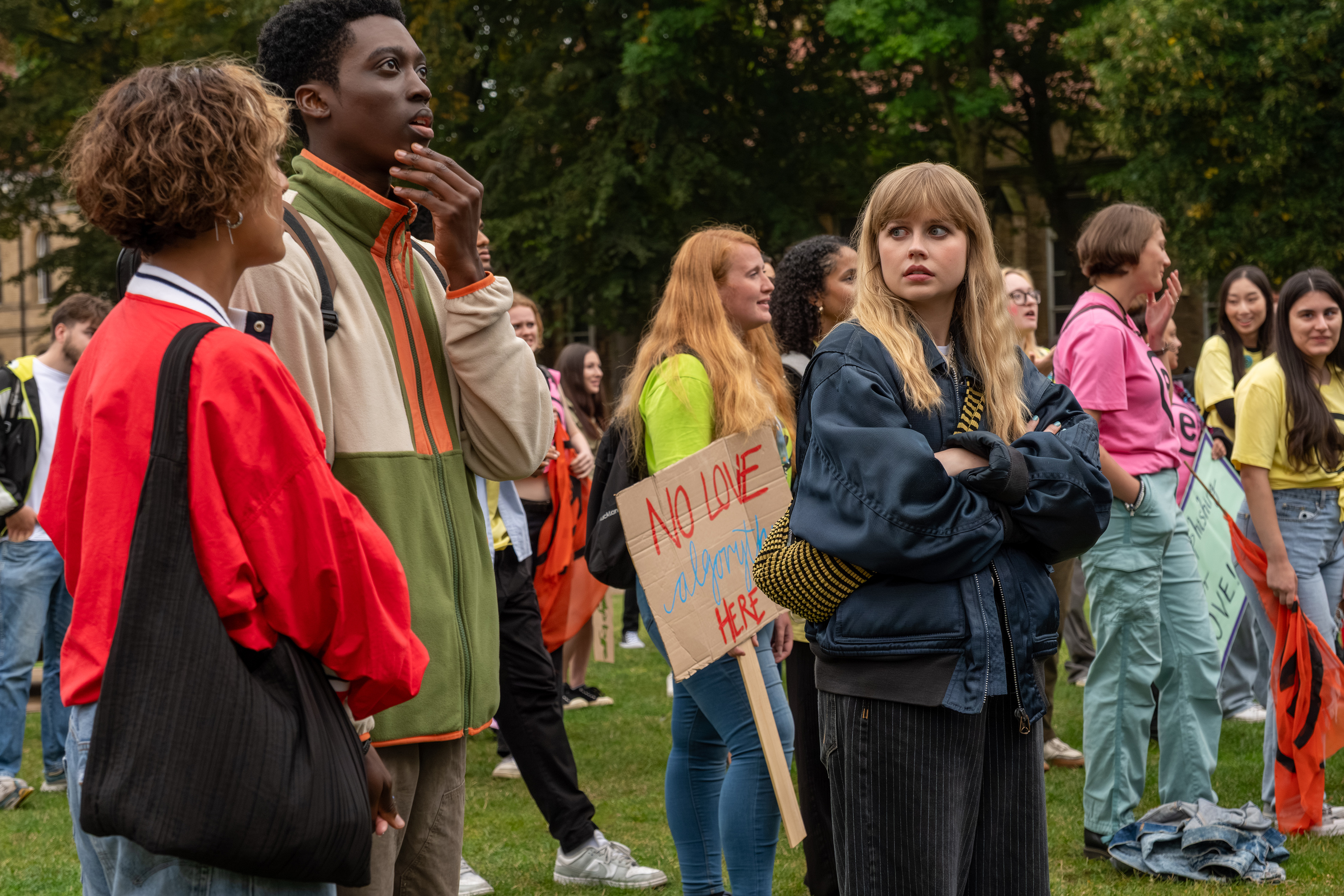
With only a first name to go on, Owen launches himself into a very questionable but very rom-com search. There are more than 300 Emilys connected to the university, and instead of doing the emotionally healthy thing — accepting fate, having a coffee, maybe touching grass — he tries to contact them. Helping him is Emily Raine (Angourie Rice), an American psychology student who sees Owen’s romantic spiral less as a grand gesture and more as perfect thesis material. She’s interested in love, but not in the dreamy way Owen is. To her, his behavior is a walking case study in obsession, self-sabotage, and the weird ways people lose their minds when romance enters the chat.
Yes, the wrong-number premise is pure rom-com comfort food. You can feel the DNA of classic British romances all over it, from the heightened sincerity of Notting Hill (1999) to the messy emotional misunderstandings of Bridget Jones’s Diary (2001). But Finding Emily works because it leans into that familiarity instead of cynically winking at it. The film knows audiences want heart, chemistry, awkward longing, and emotionally confused people making terrible choices for love. And honestly? Sometimes that’s enough.
What really sells the film is how effortlessly Rice and Fearn play off each other. Their dynamic feels natural from the beginning — playful, slightly antagonistic, but grounded in genuine curiosity and emotional awkwardness. Rice brings intelligence and warmth to Emily, making her sharp and ambitious without turning her into a cold rom-com obstacle. There’s an ease to her comedic timing that keeps scenes buoyant, even when the story moves exactly where you expect it to go.
Missing: one digit and several boundaries.
Fearn, meanwhile, is the film’s secret weapon. Owen could easily have become exhausting — the kind of sad-boy romantic character modern audiences instantly side-eye — but Fearn gives him a disarming sincerity that makes him difficult to dismiss. He’s less slick rom-com lead and more emotionally lost Labrador in a band tee, wandering campus with the energy of someone constantly one bad decision away from a public breakdown. The performance never feels smug or self-aware. It’s vulnerable in a way modern studio comedies often avoid.
The supporting cast adds to that easygoing charm without pulling focus from the central pairing. Sadie Soverall makes Fairy Emily feel vivid enough to justify Owen’s spectacular spiral, even when the character is necessarily more mystery than full presence. Minnie Driver brings a welcome dash of authority as Dean Watkinson, while Jack Riddiford and Isabella Laughland give Owen’s home life a funny, grounded texture as his brother Matt and Matt’s partner Freya.
Prasanna Puwanarajah adds dry academic authority as Professor Westlake, Emily Raine’s psychology lecturer, while Nadia Parkes brings sharp comic bite as Laura Lewis, a campus podcaster who helps amplify the growing backlash against Owen. Laura’s involvement pushes his impulsive search through 300-plus Emilys beyond private romantic confusion and into something louder, messier, and far more public — a situation that spirals into gossip, online pile-ons, and increasingly absurd social madness. Surrounding Owen and Emily, the ensemble adds little bursts of comic friction, academic stress, and student-life weirdness without hijacking the movie. They keep the campus buzzing with opinions, personalities, and some truly catastrophic email etiquette.
And that vulnerability is where the film becomes more interesting than expected. Underneath the comedy and campus antics, Finding Emily quietly taps into very current anxieties about romance, public performance, and internet-era judgement. Owen’s search becomes more than a private romantic mission; it turns into campus discourse. Suddenly, people are debating whether he is sweet, obsessive, creepy, cringe, or all of the above. One minute he’s a lovesick underdog; the next he’s being flattened into a trending opinion by people who barely know him. The film doesn’t explore every corner of that debate as deeply as it could, but it does touch on something real: sincerity can get punished very quickly when an entire crowd decides your feelings are content.
Tonally, the movie keeps things light without feeling disposable. MacDonald directs with a warm, energetic style that gives the Manchester university setting personality, leaning into the social anarchy of student life without making it feel too polished. Parties, live music, awkward public encounters, campus gossip, and impulsive emotional decisions all swirl together to create an atmosphere that feels youthful and alive. The humor lands more often than not too, especially when the film embraces modern dating awkwardness and online oversharing without sounding like a studio executive trying to reverse-engineer Gen Z slang. It’s not trying to be cool every five seconds, which ironically makes it much cooler.
The soundtrack also deserves praise. Music is not just background decoration here; it is part of the film’s pulse. Morgan Kibby’s score sits alongside a soundtrack featuring artists such as Blossoms, New Order, W.H. Lung, and Spike Fearn himself, giving the movie a vibrant Manchester music-scene energy. The musical moments help elevate the more familiar rom-com beats into something emotionally infectious, while Fearn’s own contribution adds authenticity to Owen’s creative identity. There’s a youthful, scrappy charm to the sound of the film that makes the world feel lived-in rather than manufactured.
And honestly, Finding Emily’s biggest strength might simply be how refreshingly earnest it is. So many modern romantic comedies seem terrified of genuine feeling, constantly undercutting vulnerability with irony. Finding Emily still has sarcasm, comic discomfort, and plenty of self-aware humor, but underneath it all is a deeply sweet story about lonely people trying to connect in a world that keeps turning everything into content.
The story does occasionally drift into familiar territory, and there are stretches where you can predict almost every emotional beat before it lands. But the performances are strong, and the film’s warmth is consistent enough that those softer spots rarely derail the experience.
Finding Emily may not completely reshape the romantic comedy formula, but it absolutely understands why audiences miss them. Funny, heartfelt, musically alive, and packed with easygoing charm, it’s the kind of crowd-pleasing rom-com that leaves you walking out smiling like an idiot while pretending you were not emotionally invested the entire time. Owen might be searching for Emily, but the film’s real achievement is finding something rarer: a modern rom-com with an actual heartbeat.
3.5 / 5 – Great
Reviewed by Stu Cachia (S-Littner)
Finding Emily is distributed by Universal Pictures Australia