By
By 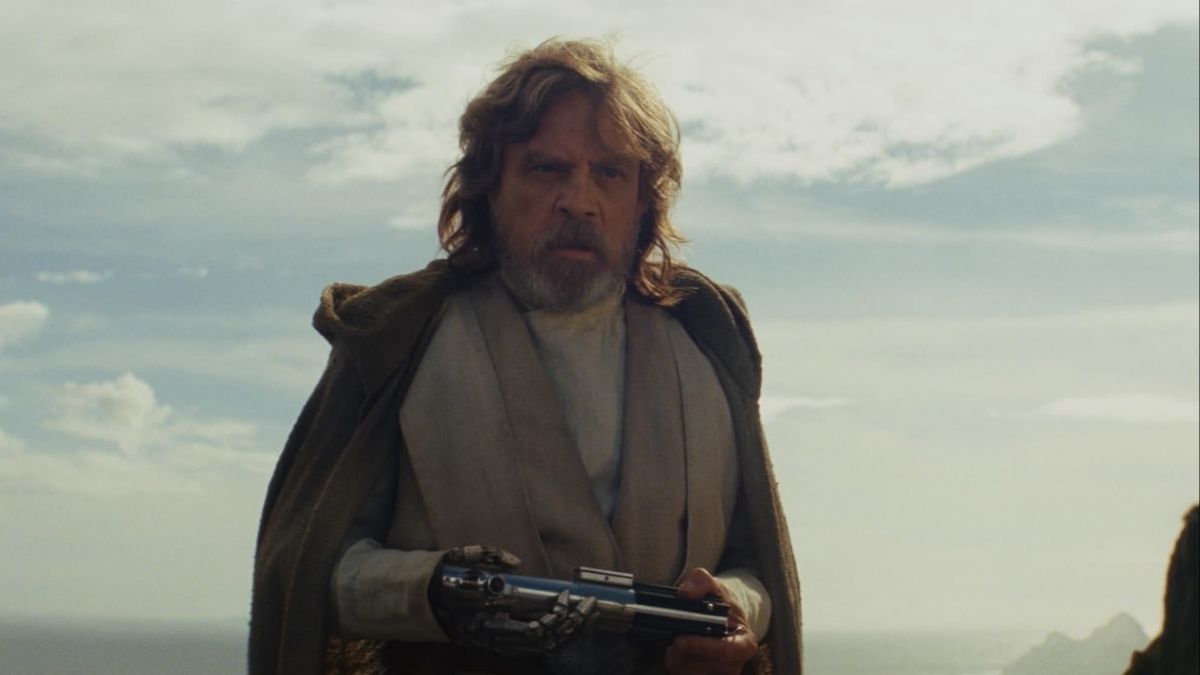
A character in a movie isn’t just made by the actor; the director, writer, and many other creatives are deeply involved in what makes a scene work. But the one putting their face on the line is, of course, the actor, and it can happen that they don’t fully agree (or commit) to the creative vision of the film.
Actors clashing with creative decisions likely happens more often than we know, but the cases covered here are with veterans of the industry. These are the cases where the actor isn’t an amateur, but someone with a legacy worth noting, yet their voice wasn’t heard in time.
IMDb
Mark Hamill, Star Wars: The Last Jedi
Mark Hamill publicly admitted he strongly disagreed with Luke Skywalker’s portrayal in The Last Jedi, saying he fundamentally viewed the character differently than director Rian Johnson ultimately did.
IMDb
Harrison Ford, Blade Runner
Harrison Ford famously disliked the studio-mandated narration added to Blade Runner, later explaining he intentionally delivered the voiceover poorly because he strongly opposed including it at all.
IMDb
Charlize Theron, Prometheus
Charlize Theron later criticized aspects of her character in Prometheus, particularly decisions involving emotional distance and certain narrative choices she felt limited the role’s potential.
IMDb
Edward Norton, The Incredible Hulk
Edward Norton reportedly clashed with Marvel over the film’s tone and final edit, contributing to his departure from the role shortly after the movie’s release.
IMDb
Burt Reynolds, Boogie Nights
Despite earning an Oscar nomination, Burt Reynolds openly disliked Boogie Nights during production and reportedly argued with director Paul Thomas Anderson about the film’s overall direction.
IMDb
Katherine Heig, Grey’s Anatomy
Katherine Heigl publicly criticized Grey’s Anatomy writing during later seasons, even withdrawing herself from Emmy consideration because she reportedly felt the material was not strong enough.
IMDb
Robert Pattinson, Twilight
Robert Pattinson repeatedly joked in interviews about criticizing Twilight’s story and characters, openly admitting he approached Edward Cullen very differently from how the franchise marketed him.
IMDb
Andrew Garfield, The Amazing Spider-Man 2
Andrew Garfield reportedly became frustrated with studio interference surrounding The Amazing Spider-Man 2, particularly pressure to expand the franchise setup at the expense of character storytelling.
IMDb
Chevy Chase, Community
Chevy Chase frequently criticized Community’s increasingly surreal direction, reportedly clashing with creator Dan Harmon over the show’s tone and the way his character evolved.
IMDb
Megan Fox, Transformers: Revenge of the Fallen
Megan Fox publicly criticized director Michael Bay’s filmmaking style and aspects of the Transformers franchise, creating tensions that ultimately contributed to her exit from the series.
IMDb
Christopher Eccleston, Doctor Who
Christopher Eccleston later explained he became unhappy with the behind-the-scenes environment and creative atmosphere during Doctor Who, contributing heavily to his departure after only one season.
IMDb
Jim Carrey, Kick-Ass 2
After the Sandy Hook shooting, Jim Carrey publicly distanced himself from Kick-Ass 2, stating he no longer felt comfortable supporting the film’s extreme violence.
IMDb
Jessica Alba, Fantastic Four: Rise of the Silver Surfer
Jessica Alba later recalled becoming discouraged during filming after receiving direction that prioritized appearance over emotional realism in dramatic scenes.
IMDb
John Boyega, Star Wars: The Rise of Skywalker
John Boyega openly criticized how the Star Wars sequel trilogy handled certain characters, particularly Finn, arguing the franchise sidelined important cast members after promising much larger roles.
IMDb
Bruce Willis, Die Hard
Bruce Willis initially resisted elements of Die Hard’s marketing and tone because he believed the studio underestimated audiences’ willingness to accept a more vulnerable action hero.
The post 15 Times the Actor Didn’t Agree With the Creative Direction appeared first on Den of Geek.