By
By 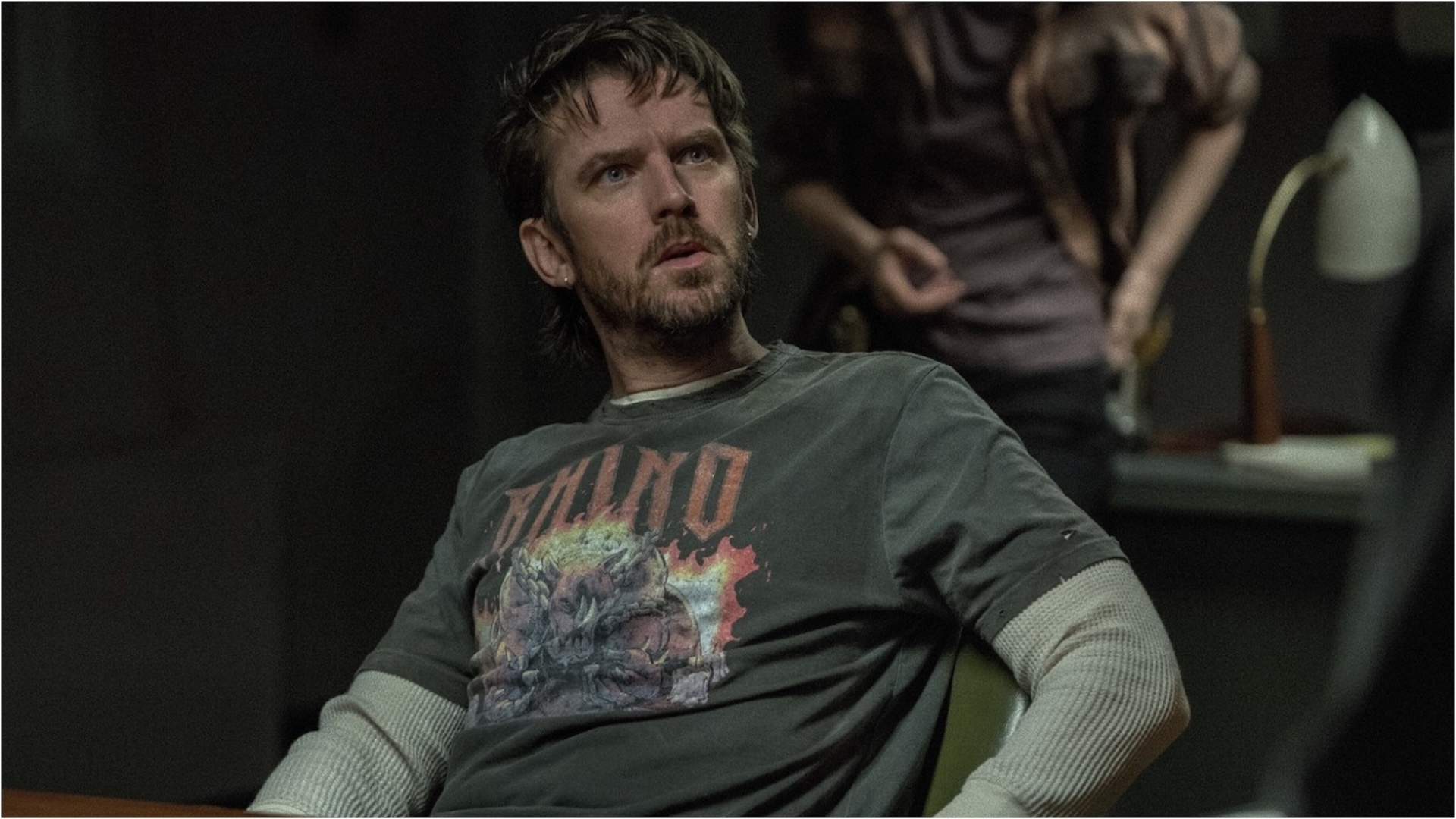
This The Terror: The Devil in Silver review is Spoiler-Free.
When the first season of AMC’s The Terror premiered in 2018, it seemed an odd choice for a franchise, likely because it wasn’t supposed to be one. An adaptation of Dan Simmons’ novel of the same name, the critically-acclaimed limited series dramatized the real-life story of the doomed 19th-century Franklin expedition with a supernatural twist, and was so successful that it almost immediately spawned another season and a transition into anthology territory. The Terror: Infamy followed a year later, an original story set in a haunted Japanese internment camp in California during World War II. The series’s second outing was less successful, both critically and commercially speaking, and the show has been on the proverbial shelf ever since.
Now, AMC is bringing it back with a third installment, one that returns the franchise to its literary roots and leans more firmly than ever into the idea that while horror stories often traditionally feature bloodthirsty creatures, dark spirits, and vengeful ghosts, these elements are often most frightening when used as mirrors through which the worst of humanity’s own flaws can be reflected back at us.
Based on Victor LaValle’s (excellent) novel, The Terror: Devil in Silver is a horror narrative that works on multiple levels. One part supernatural thriller about a mysterious dark force at work in a run-down local asylum, and one part searing social commentary on everything from toxic masculinity to the ways that the mental health industry has failed the most vulnerable among us, it’s a unique and disturbing story that, despite its contemporary setting, slots neatly into the thematic world of the larger The Terror franchise. Like both its predecessors, a literal monster is involved, but it’s not exactly the most important — or most compelling — part of the story.
The series follows Pepper (Dan Stevens), a working-class mover from Queens who dreams of launching a side hustle giving drum lessons. But when he intervenes in a physical dispute between his girlfriend and her overbearing ex-boyfriend, he finds himself arrested for throwing punches at cops and taken into the fictional New Hyde Psychiatric Hospital, ostensibly to cool off for a weekend, but largely because the police don’t feel like doing the paperwork to process him. This is the first of many horrifying shortcuts and legal loopholes that will unfold in the episodes ahead, as Pepper, over-medicated and deemed non-compliant, slips through the cracks enough to become what seems to be the asylum’s latest permanent resident.
As he struggles against the system in an attempt to win his freedom, Pepper slowly becomes aware of a series of strange events in the hospital — including the sudden death of the man who used to live in his room — that many of the residents insist are the result of a dark force that lives within its walls, trapped behind a mysterious silver door. Along the way, the show takes care to illustrate the very real horrors that exist within the mental health industry, from the overworked staff members and scarce resources to the drugged up patients left to languish in a system that’s forgotten about them.
Though the series’s premise almost immediately lends itself to questions of unreliable narrators and whether viewers can trust what they’re seeing, Devil in Silver is actually pretty upfront about the fact that there really is a monster in New Hyde, and the question at hand is more about whether, as Pepper’s roommate, Coffee (Chinaza Uche), puts it: “Do bad things happen in a place because the place itself is evil or were so many bad things done there that it invited evil in?”
Clocking in at a brisk six episodes, the show doesn’t quite have enough runway to truly unpack the answer to that question in the way it probably deserves, and its final episode feels almost uncomfortably rushed. (Rarely do I wish TV shows were longer, but an extra hour would probably have benefited this particular outing in several worthwhile ways.) Still, the story is tense and atmospheric, as a trio of overworked hospital employees moves through sets lit by flickering bulbs, littered with run-down equipment, and doused in an air of general neglect. Director Karyn Kusama helms the series’s first two episodes and immediately establishes a claustrophobic, oppressive vibe that visually conveys the decay and hopelessness many of New Hyde’s residents clearly feel. Yes, there are moments where the lighting is almost too dim, but as that seems to be an industry-wide problem these days, it’s hard to fault the show too much for it.
With Devil in Silver, Stevens continues his run of bizarrely delightful career choices since leaving Downton Abbey and his designated period drama heartthrob status behind. (The man has played everything from a kaiju dentist in Godzilla x Kong: The New Empire to Professor X’s son in the criminally underrated Legion, truly, what can’t he do at this point?) His performance here is intense and layered, running the gamut from helpless rage and frustration to genuine fear and regret. His Pepper is a man who contains multitudes, an angry, occasionally resentful, and still deeply decent person with a hero complex and a hot temper. A man with plenty of emotional baggage of his own, his journey is as much about confronting the monsters inside himself as it is battling any sort of external creature.
Stevens’ performance is the emotional linchpin around which much of Devil in Silver revolves, but he gets some significant help from the show’s fantastic supporting cast, who play a variety of neurodivergent characters that slowly come to form Pepper’s offbeat found family. Though each have wound up at New Hyde for different reasons, they all have compelling stories of their own, and real diagnosis that prevent them from becoming vague cariactures of “mental illness” writ large. Judith Light is both slyly funny and genuinely heartbreaking as Dorry, a schizophrenic woman who has spent most of her life as a resident of the asylum, but it is nonbinary actor b who quietly steals the show as Loochie, a belligerent teen with bipolar disorder who becomes especially close to Pepper as his stay goes on.
Thanks to the hospital’s book club (run by Stephen Root’s delightfully weird Dr. Badger), the series pays tribute to everything from One Flew Over the Cuckoo’s Nest to Jaws. But The Terror: Devil in Silver would still be a fairly compelling horror story even if the supernatural never entered into the picture — and that may well be the most frightening thing of all.
The Terror: Devil in SIlver premieres Thursday, May 7 on AMC+ and Shudder.
The post The Terror: Devil in Silver Review – Dan Stevens Battles Monsters Both Human and Horrific appeared first on Den of Geek.