By
By 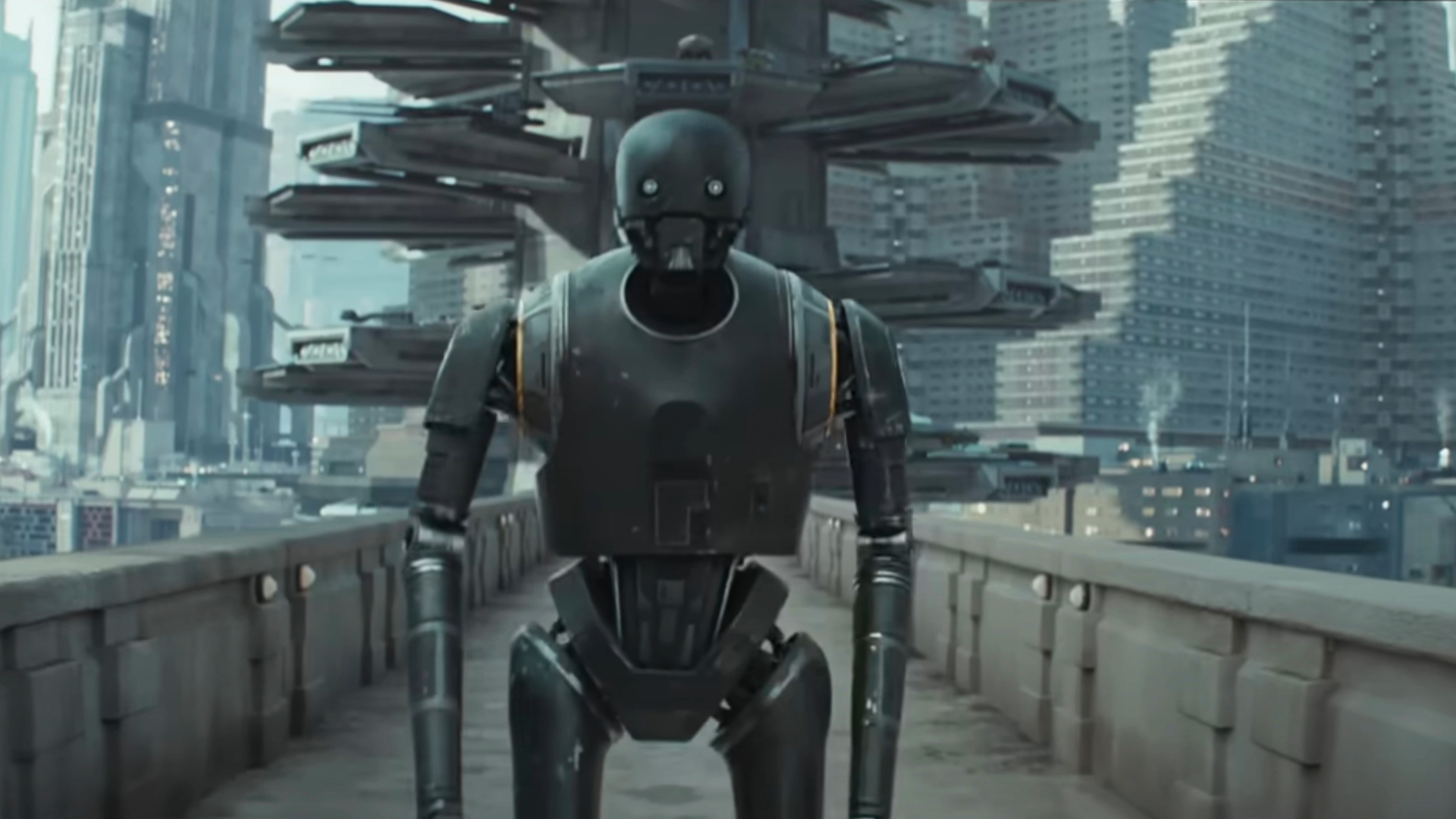
Nielsen has released new viewership data to mark Star Wars Day, aka May 4th, and the numbers are pretty fascinating for anyone curious about how well the franchise is doing in the streaming landscape.
Largely based on 2025 data, it reveals that in the U.S. alone, viewers watched a staggering 33 billion minutes of Star Wars content last year. A New Hope, The Phantom Menace and Rogue One were the most popular movies, while Andor, Skeleton Crew and The Mandalorian filled out the top three spots on the TV side.
Yet, it’s the data from the first quarter of 2026 that proves rather more compelling. Many months after the Andor series finale, it remains the most popular Star Wars show among Millennials and Gen X viewers. Gen Alpha and Baby Boomers seem to both prefer The Mandalorian, even as Gen Z becomes the outlier generation by claiming The Clone Wars.
It doesn’t feel totally surprising that Gen Alpha and Boomers both enjoy The Mandalorian. Younger viewers have Baby Grogu to latch onto. Yellowstone-loving Boomers might gravitate to its space Western vibes, action, or clear “good vs evil” storytelling. But Andor’s continuing popularity among viewers aged 30-61 seems like a different story. We’re talking about two generations of viewers who grew up with not just the original trilogy and the prequels, but also with prestige TV. In that respect, Andor felt like a breath of fresh air; a show that understood storytelling for adults. Jedi tales and “chosen one” narratives had worn thin. Suddenly, there was a show that took Star Wars TV worldbuilding very seriously—perhaps too seriously for anyone scrolling for light entertainment.
Andor was more like a slow-burning political thriller than the snappy franchise fare of The Mandalorian, garnering critical acclaim from the first episode to its last. It presented an adult Star Wars universe where character-driven drama was more important than a pricey CGI chase sequence or the pew-pew of laser blasters. It wasn’t interested in selling toys as much as creating a story with a real, timely message: resistance to authoritarian power is built brick by brick, with ordinary people choosing sacrifice and action over comfort and fear.
It’s a message that has truly resonated with Millennial and Gen X viewers, who have arguably spent more time thinking about and coping with real-world institutions and systems. But now that those generations have seen live-action Star Wars reach a level they hadn’t thought possible pre-Andor, Lucasfilm may find itself in a curious spot. Will it continue to try to hit all the bases by creating movies and shows for various ages, or will a new direction emerge from the top down?
There won’t be another show like Andor, but viewers are clearly still hungry for deeper Star Wars storytelling. The war between money, acclaim, and that elusive mix of both likely continues in a galaxy far, far away.
The post New Star Wars Viewing Data Shows a Deep Generational Divide appeared first on Den of Geek.