By
By 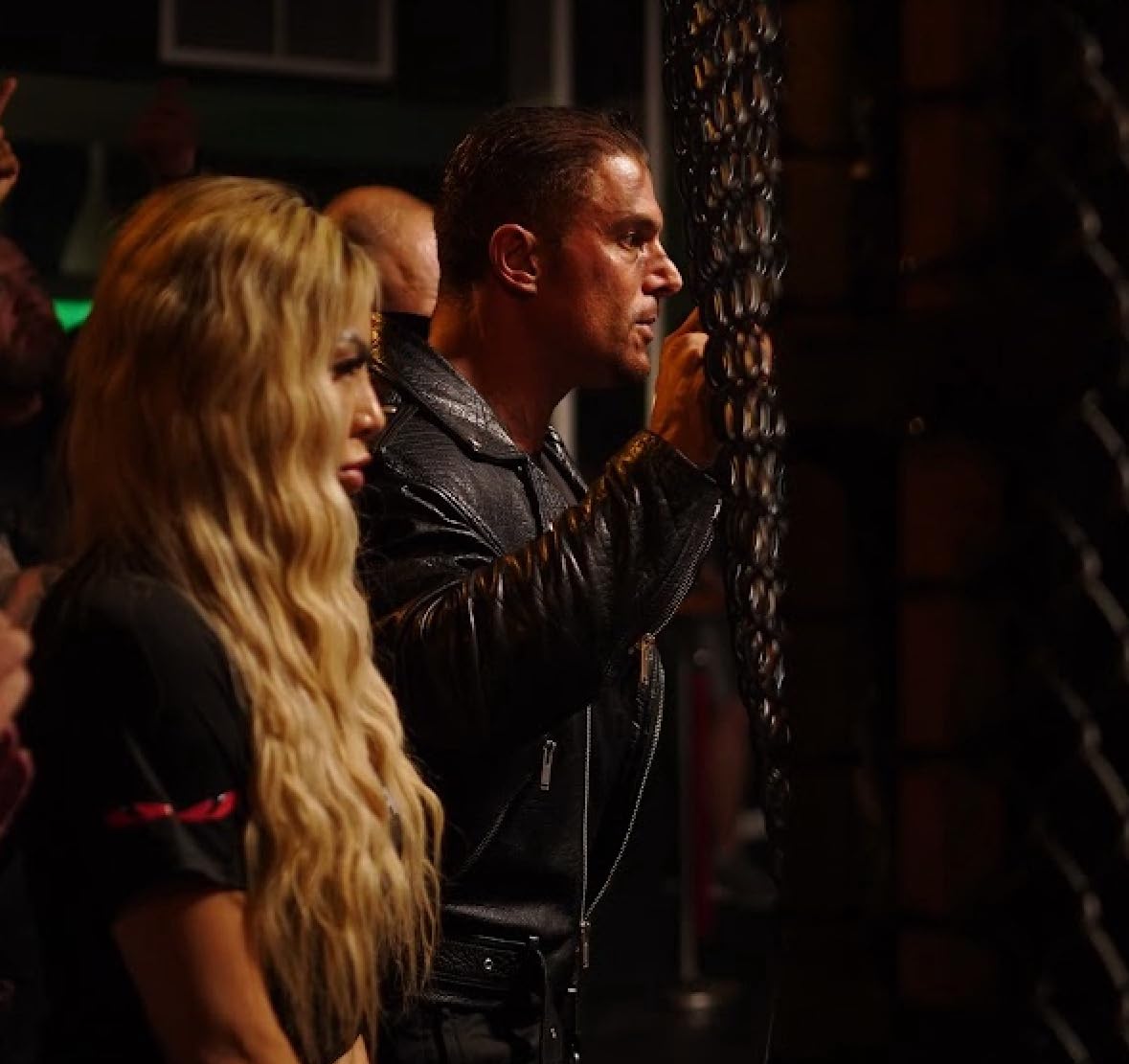
Cage Rage continues the long tradition of low-budget MMA movies that begin where the genre naturally belongs: inside the cage.
The film follows Joey, played by Matt Newton, a fighter struggling to keep his life together while broken relationships and constant money problems force him to take whatever side jobs he can find. Between personal troubles, questionable friends, and the demands of training, Joey finds himself trying to stay focused on fighting even when the movie never clearly explains what he is actually fighting for.
One of the more interesting ideas in the story is Joey’s weakness as a striker. He has the stand-up skills, but his lack of grappling experience becomes a serious problem, leading his coach to recommend Brazilian Jiu-Jitsu training. The movie uses this as an opportunity to deliver its message about BJJ as the “gentle art,” emphasizing technique and control rather than simply relying on muscles.
It is a familiar direction in modern martial arts cinema, although the constant promotion of one particular style has become somewhat predictable after decades of movies moving from Karate in the 1980s to Taekwondo in the 1990s, kickboxing in the 2000s, and MMA and BJJ in more recent years.
Joey is surrounded by the familiar supporting characters that have become part of the MMA movie formula. His funny sidekick is quirky, unreliable, unpredictable, and constantly involved in shady businesses, creating many of the situations that complicate Joey’s already unstable life.
There is also the beautiful daughter of a criminal boss, whose involvement inevitably brings another collection of problems into the story.
These distractions eventually interfere with Joey’s training routine, but this is where the screenplay exposes its biggest weakness: we never really understand what Joey’s ultimate goal as a fighter is. Without a clearly defined objective, the dramatic stakes of his training and fights become much weaker.
The coach character is another strange element. The actor clearly tries to give the role authority and wisdom, but the performance lacks the professionalism and confidence you would expect from someone guiding a serious fighter.
Silvio Simac is a welcome presence as a criminal boss, although his character is unfortunately underused and added here just for a promotion purpose.
Meanwhile, Nathaniel Wood plays the protagonist fighter known as “Ninja,” a nickname that sounds almost comically generic, but martial arts movies have always needed performers willing to take these kinds of roles, and he adds another recognizable face to the fight world.
The movie also benefits from its supporting fight personalities, with Mark “Machida” Duda and Brad “One Punch” Pickett appearing in commentator and referee roles. Their presence gives the cage sequences a little more authenticity and helps connect the fictional story to the real combat-sports world.
Newton deserves considerable credit because he is doing much more than acting here. As the film’s actor, director, producer, and writer, he clearly put everything he had into getting Cage Rage made. The movie is operating on a low budget of £250,000, but the team tries to squeeze as much as possible from its resources.
The strongest element is actually the relationship between Joey and his friend, because the two actors create a surprisingly natural bond that gives the story something you genuinely want to follow.
The biggest technical problem is the camera work. Excessive close-range shots and shaky cinematography immediately expose the budget, particularly during the action. The fight scenes would benefit from cleaner coverage and faster, more confident editing so the movie could maintain one continuous flow instead of repeatedly losing momentum. The music, however, is a definite highlight, and credit goes to the team responsible for selecting tracks that give the film additional energy.
Cage Rage is worth watching for dedicated MMA and martial arts movie fans who understand what can be achieved with limited resources. I would have preferred a simpler story focused on Joey, his training, and one clearly defined goal, because that is exactly what made old-school tournament movies so memorable. Cage Rage has plenty of rough edges, but the people behind it deserve credit for making the most of what they had.